bareMinerals BarePro 16HR Skin-Perfecting Powder Foundation Versus bareMinerals Original Mineral Veil Pressed Setting Powder

What's inside
What's inside
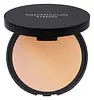 Key Ingredients
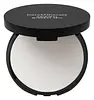
Benefits
Concerns
Ingredients Side-by-side
Synthetic Fluorphlogopite
Mica
Cosmetic ColorantCaprylic/Capric Triglyceride
Masking


Zinc Oxide
Cosmetic Colorant


Diphenyl Dimethicone/Vinyl Diphenyl Dimethicone/Silsesquioxane Crosspolymer

Dimethicone
Emollient
Silica
Abrasive

Dimethicone Crosspolymer
Emulsion Stabilising
Zinc Myristate
Boron Nitride
Absorbent
Theobroma Cacao Seed Butter
Emollient


Diphenylsiloxy Phenyl Trimethicone
Skin Conditioning
Crithmum Maritimum Extract
Skin ConditioningVitis Vinifera Juice Extract
Antioxidant
Glycyrrhiza Glabra Root Extract
Bleaching



Ananas Sativus Fruit Extract
Skin ConditioningButyrospermum Parkii Butter
Skin Conditioning
Squalane
Emollient
Paeonia Albiflora Root Extract
Skin ConditioningHydrogen Dimethicone
Tocopheryl Acetate
Antioxidant
Quercetin
Antioxidant
Polysilicone-2
Aluminum Hydroxide
EmollientPolysorbate 80
Emulsifying
Methicone
Emollient
Sorbitan Sesquiisostearate
Emulsifying
Calcium Silicate
AbsorbentEthylhexylglycerin
Skin ConditioningTocopherol
Antioxidant
Water
Skin ConditioningButylene Glycol
Humectant
Lauroyl Lysine
Skin Conditioning
Benzoic Acid
Masking

Phenoxyethanol
Preservative
Chlorphenesin
Antimicrobial
Titanium Dioxide
Cosmetic Colorant
Iron Oxides
Synthetic Fluorphlogopite, Mica, Caprylic/Capric Triglyceride, Zinc Oxide, Diphenyl Dimethicone/Vinyl Diphenyl Dimethicone/Silsesquioxane Crosspolymer, Dimethicone, Silica, Dimethicone Crosspolymer, Zinc Myristate, Boron Nitride, Theobroma Cacao Seed Butter, Diphenylsiloxy Phenyl Trimethicone, Crithmum Maritimum Extract, Vitis Vinifera Juice Extract, Glycyrrhiza Glabra Root Extract, Ananas Sativus Fruit Extract, Butyrospermum Parkii Butter, Squalane, Paeonia Albiflora Root Extract, Hydrogen Dimethicone, Tocopheryl Acetate, Quercetin, Polysilicone-2, Aluminum Hydroxide, Polysorbate 80, Methicone, Sorbitan Sesquiisostearate, Calcium Silicate, Ethylhexylglycerin, Tocopherol, Water, Butylene Glycol, Lauroyl Lysine, Benzoic Acid, Phenoxyethanol, Chlorphenesin, Titanium Dioxide, Iron Oxides
Reviews
Ingredients Explained
These ingredients are found in both products.
Ingredients higher up in an ingredient list are typically present in a larger amount.
This ingredient is also known as shea butter. It is a plant-derived extract from the nuts of the Africa shea tree and one of the most well-studied emollients.
Because it has a high concentration of fatty acids (primarily oleic, stearic, and linoleic) it is able to form a protective barrier on the skin's surface. This helps seal in moisture and prevents transepidermal water loss (TEWL).
In vitro research found an increase in skin hydration by 58% and a decrease in TEWL by 37.8% after 24 hours of applying this ingredient (pretty impressive for a single ingredient!).
Besides hydration, shea butter also contains triterpenes that have anti-inflammatory potential. In particule, lupeol cinnamate has shown the highest anti-inflammatory activity in vivo.
Shea butter also contains vitamins A and E which may contribute to antioxidant activity.
While Shea Butter has an SPF rating of about 3-4, it is not a sunscreen replacement.
This ingredient may not be fungal acne safe because its fatty acids fall within the C11-C24 range that the Malassezia yeast can metabolize.
Learn more about Butyrospermum Parkii ButterThis ingredient is a lightweight emollient, solvent, and texture enhancer. It is considered a skin-softener by helping the skin prevent moisture loss.
It helps thicken a product's formula and makes it easier to spread by dissolving clumping compounds.
Caprylic Triglyceride is made by combining glycerin with coconut oil, forming a clear liquid. Though it behaves like an oil, it is not technically one due to its chemical composition. It is very stable, resistant to oxidation, and unlikely to go rancid. In practice, that translates to a long shelf life and a consistently elegant skin feel.
While there is an assumption Caprylic Triglyceride can clog pores due to it being derived from coconut oil, there is no research supporting this. Be sure to patch test if you have concerns.
Fractionated coconut oil and MCT Oil are both listed as Caprylic/Capric Triglyceride according to INCI. This is because INCI names are based on the ingredient’s final chemical composition and not its marketing name or source.
Learn more about Caprylic/Capric TriglycerideChlorphenesin is a synthetic preservative. It helps protect a product against bacteria in order to extend shelf life. In most cases, Chlorphenesin is paired with other preservatives such as phenoxyethanol and caprylyl glycol.
Chlorphenesin is a biocide. This means it is able to help fight the microorganisms on our skin. It is also able to fight odor-releasing bacteria.
Chlorphenesin is soluble in both water and glycerin.
Studies show Chlorphenesin is easily absorbed by our skin. You should speak with a skincare professional if you have concerns about using Chlorphenesin.
Learn more about ChlorphenesinThis ingredient comes from a fatty acid (lauric acid) and amino acid (lysine). It is used to add a silky feel to cosmetics.
According to a manufacturer, its fatty acid base leaves a silky feeling on the skin. It also has emollient properties because of this. Emollients help soften skin by preventing water from evaporating.
Lauroyl lysine is barely soluble in water.
Learn more about Lauroyl LysineMica is a naturally occurring mineral used to add shimmer and color in cosmetics. It can also help improve the texture of a product or give it an opaque, white/silver color.
Serecite is the name for very fine but ragged grains of mica.
This ingredient is often coated with metal oxides like titanium dioxide. Trace amounts of heavy metals may be found in mica, but these metals are not harmful in our personal products.
Mica has been used since prehistoric times throughout the world. Ancient Egyptian, Indian, Greek, Roman, Aztec, and Chinese civilizations have used mica.
Learn more about MicaQuercetin is a polyphenol flavonoid that can be naturally found in plants like apples, onions, berries, and broccoli. It has antioxidant and skin soothing properties.
The anti-inflammatory research for this ingredient is pretty solid:
It also looks promising for anti-aging; it activates pathways tied to cellular "youthfulness" by helping the cells that produce collagen and elastin do their job better. It also switches on the "longevity" gene that keeps cells acting young.
As of right now, most of the anti-aging research has been done on animals or cells in petri dishes, but there's no harm in trying this ingredient in your routine.
Another cool perk of this ingredient?
It does a great job stabilizing the chemical UV filters avobenzone and octinoxate against sun degradation. One study found it outperformed both tocopherol and octocrylene as a photostabilizer.
The only downside (if you can even call it that) is that quercetin doesn't dissolve well in water and cannot penetrate skin easily on its own. This just means formulators pair it with delivery systems to actually get it into skin.
There is some recent buzz about this ingredient having brightening effects, but the research hasn't backed this up.
Learn more about QuercetinSilica, also known as silicon dioxide, is a naturally occurring mineral. It is used as a fine, spherical, and porous powder in cosmetics.
Though it has exfoliant properties, the function of silica varies depending on the product.
The unique structure of silica enhances the spreadability and adds smoothness, making it a great texture enhancer.
It is also used as an active carrier, emulsifier, and mattifier due to its ability to absorb excess oil.
In some products, tiny microneedles called spicules are made from silica or hydrolyzed sponge. When you rub them in, they lightly polish away dead skin layers and enhance the penetration of active ingredients.
Learn more about SilicaTheobroma Cacao Seed Butter comes from the Theobroma cacoa, or Cacao tree. Cacao trees are native to tropical landscapes.
Like other plant butters, Cacao seed butter is an emollient. Emollients help soothe and soften your skin. By creating a barrier to trap moisture in, emollients help keep your skin hydrated.
Cacao seed butter contains antioxidants known as polyphenols. Antioxidants help fight free-radical molecules by stabilizing them. Unstable free-radicals may cause damage to your skin cells. Antioxidants may help with anti-aging.
Theobroma Cacao Seed Butter can be bad for acne prone skin.
Learn more about Theobroma Cacao Seed ButterTocopheryl Acetate is AKA Vitamin E. It is an antioxidant and protects your skin from free radicals. Free radicals damage the skin by breaking down collagen.
One study found using Tocopheryl Acetate with Vitamin C decreased the number of sunburned cells.
Tocopheryl Acetate is commonly found in both skincare and dietary supplements.
Learn more about Tocopheryl Acetate
