Balea Aqua Feuchtigkeits Serum Versus Biologique Recherche Sérum Yall~O2 Fundamental Hydration Elixir
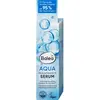
This hydrating serum is formulated around Panthenol and Sodium Hyaluronate to hydrate skin and strengthen the skin barrier.
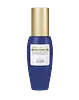
This hydrating serum is formulated around Xylitylglucoside and Sodium Hyaluronate to hydrate skin and strengthen the skin barrier.


What's inside
What's inside
 Key Ingredients
Benefits
Concerns
Ingredients Side-by-side
Water
Skin ConditioningGlycerin
Humectant


Pentylene Glycol
Skin Conditioning
Xylitylglucoside
Humectant
Panthenol
Skin Conditioning

Camellia Oleifera Seed Oil
Skin Conditioning


Sodium Hyaluronate
Humectant

Anhydroxylitol
Humectant
Xylitol
Humectant
Sodium Dilauramidoglutamide Lysine
HumectantTocopheryl Acetate
Antioxidant


Tocopherol
Antioxidant
Acacia Senegal Gum
MaskingSclerotium Gum
Emulsion StabilisingXanthan Gum
EmulsifyingPantolactone
Humectant
Citric Acid
Buffering
Sodium Hydroxide
BufferingEthylhexylglycerin
Skin ConditioningPhenoxyethanol
Preservative
Tetramethyl Acetyloctahydronaphthalenes
Masking



Geranyl Acetate
Perfuming
Parfum
Masking
Water, Glycerin, Pentylene Glycol, Xylitylglucoside, Panthenol, Camellia Oleifera Seed Oil, Sodium Hyaluronate, Anhydroxylitol, Xylitol, Sodium Dilauramidoglutamide Lysine, Tocopheryl Acetate, Tocopherol, Acacia Senegal Gum, Sclerotium Gum, Xanthan Gum, Pantolactone, Citric Acid, Sodium Hydroxide, Ethylhexylglycerin, Phenoxyethanol, Tetramethyl Acetyloctahydronaphthalenes, Geranyl Acetate, Parfum
Water
Skin ConditioningPerfluorodecalin
Skin ConditioningCoco-Caprylate
Emollient
Isocetyl Stearate
Emollient

Maltodextrin
Absorbent
Xylitylglucoside
Humectant
Sodium Hyaluronate
Humectant
Anhydroxylitol
Humectant
Polyperfluoromethylisopropyl Ether
Skin ConditioningXylitol
Humectant
Poloxamer 188
EmulsifyingRhizobian Gum
Punica Granatum Fruit Extract
Antioxidant
Acacia Senegal Gum
MaskingLilium Candidum Flower Extract
Skin ConditioningJuglans Regia Seed Extract
Skin ConditioningHibiscus Sabdariffa Flower Extract
Skin ConditioningJuglans Regia Shell Extract
Skin ConditioningCarum Carvi Fruit Oil
Masking
Citric Acid
Buffering
Propylene Glycol
Humectant
Polyacrylamide
Hydroxyethyl Acrylate/Sodium Acryloyldimethyl Taurate Copolymer
Emulsion StabilisingC13-14 Isoparaffin
Emollient
Chlorphenesin
Antimicrobial
Xanthan Gum
EmulsifyingEthylhexylglycerin
Skin ConditioningLaureth-7
EmulsifyingSodium Benzoate
Masking
Sorbitan Isostearate
Emulsifying
Polysorbate 60
Emulsifying
Phenoxyethanol
Preservative
Potassium Sorbate
Preservative
Sodium Metabisulfite
Antioxidant
Limonene
Perfuming
Water, Perfluorodecalin, Coco-Caprylate, Isocetyl Stearate, Maltodextrin, Xylitylglucoside, Sodium Hyaluronate, Anhydroxylitol, Polyperfluoromethylisopropyl Ether, Xylitol, Poloxamer 188, Rhizobian Gum, Punica Granatum Fruit Extract, Acacia Senegal Gum, Lilium Candidum Flower Extract, Juglans Regia Seed Extract, Hibiscus Sabdariffa Flower Extract, Juglans Regia Shell Extract, Carum Carvi Fruit Oil, Citric Acid, Propylene Glycol, Polyacrylamide, Hydroxyethyl Acrylate/Sodium Acryloyldimethyl Taurate Copolymer, C13-14 Isoparaffin, Chlorphenesin, Xanthan Gum, Ethylhexylglycerin, Laureth-7, Sodium Benzoate, Sorbitan Isostearate, Polysorbate 60, Phenoxyethanol, Potassium Sorbate, Sodium Metabisulfite, Limonene
Ingredients Explained
These ingredients are found in both products.
Ingredients higher up in an ingredient list are typically present in a larger amount.
Acacia Senegal Gum has skin soothing, thickening, and formulation stabilizing properties. It comes from the Acacia tree that is native to sub-Saharan Africa.
This ingredient is created from dehydrating xylitol in acidic conditions. Xylitol is a famous sugar and humectant.
Much like its predecessor, anhydroxylitol is a humectant. Humectants attract and hold water to moisturize the skin.
This ingredient is most commonly found in a popular trio called Aquaxyl. Aquaxyl is made up of anhydroxylitol (24 - 34%), xylitylglucoside (35 - 50%), and xylitol (5 - 15%).
According to a manufacturer, Aquaxyl is known for a 3-D hydration concept and an anti-dehydration shield to reinforce the outer layer of skin.
This ingredient is often derived from plants such as wood and sugarcane.
Learn more about AnhydroxylitolCitric Acid is an alpha hydroxy acid (AHA) naturally found in citrus fruits like oranges, lemons, and limes.
Like other AHAs, citric acid can exfoliate skin by breaking down the bonds that hold dead skin cells together. This helps reveal smoother and brighter skin underneath.
However, this exfoliating effect only happens at high concentrations (20%) which can be hard to find in cosmetic products.
Due to this, citric acid is usually included in small amounts as a pH adjuster. This helps keep products slightly more acidic and compatible with skin's natural pH.
In skincare formulas, citric acid can:
While it can provide some skin benefits, research shows lactic acid and glycolic acid are generally more effective and less irritating exfoliants.
Most citric acid used in skincare today is made by fermenting sugars (usually from molasses). This synthetic version is identical to the natural citrus form but easier to stabilize and use in formulations.
Rosacea skin has a lower threshold for acids generally, with 62.5% of rosacea subjects in one study reacting to lactic acid in a sting test. This is why we mark citric acid as a potential rosacea trigger.
However, this ingredient shows up as a pH adjuster or chelator at roughly 0.1-1% in many products. These low levels are unlikely to be an issue for rosacea skin and becomes a potential trigger at exfoliating concentrations (20%). Because everybody's skin is unique, we recommend a patch test if you are unsure.
Learn more about Citric AcidEthylhexylglycerin is created from glycerin. It is a multitasker ingredient that:
The CIR Expert Panel found minimal skin absorption or sensitization of any kind in a safety assessment. Though this ingredient is considered well-tolerated, a small number of cases of allergic dermatitis have been published since 2002. Just be sure to patch test if you are unsure.
Industry-reported use ranges from 8% in rinse-off products and 2% in leave-on formulations.
Learn more about EthylhexylglycerinPhenoxyethanol is one of the most widely used preservatives in skincare (and for good reason!).
It has a large spectrum of antimicrobial activity and especially effective bacteria, yeast, and mold while only having a weak effect on your skin's natural microbiome.
On a cellular level, it disrupts the cell membranes of microbes by poking holes that make the cell leak. This shuts down the chemical reactions the microbe needs to make energy so it can no longer survive.
Another perk of this ingredient is that it stays functional across a wide pH range (3-10).
You'll often see it paired with boosters like Ethylhexylglycerin; one study showed that a 1:9 ratio of Ethylhexylglycerin to Phenoxyethanol damages bacterial membranes as effectively as doubling the Phenoxyethanol concentration on its own.
Typical use concentrations range from 0.3-1% depending on the formula, and this ingredient is capped at 1% int the EU.
Safety-wise, the fear mongering does not hold up to the evidence. The EU's Scientific Committee on Consumer Safety and FDA consider it safe as a preservative at up to 1%, including for children of all ages.
Adverse systemic effects only showed up in animal studies at exposures roughly 200x higher than what people get from cosmetics. And despite its very widespread use, this ingredient is a rare sensitizer and allergic reactions are uncommon.
Learn more about PhenoxyethanolSodium Hyaluronate is the salt form of hyaluronic acid. It is a long sugar chain that is naturally found in your skin, joints, and connective tissue that maintains hydration and elasticity.
In skincare, it works as a humectant. It pulls water from the environment and deeper layers of skin and binds it to the surface.
Interestingly, the size of the molecule affects its behavior:
Some clinical evidence links low molecular weight versions to improved wrinkle depth, elasticity, anti-inflammatory effects, and barrier repair.
Many serums use a blend of both weights so you can get surface hydration plus longer-lasting and deeper effects.
You'll typically see concentrations between 0.1-2% for this ingredient.
Learn more about Sodium HyaluronateWater. It's the most common cosmetic ingredient of all. You'll usually see it at the top of ingredient lists, meaning that it makes up the largest part of the product.
So why is it so popular? Water most often acts as a solvent - this means that it helps dissolve other ingredients into the formulation.
You'll also recognize water as that liquid we all need to stay alive. If you see this, drink a glass of water. Remember to stay hydrated!
Learn more about WaterXanthan gum is used as a stabilizer and thickener within cosmetic products. It helps give products a sticky, thick feeling - preventing them from being too runny.
On the technical side of things, xanthan gum is a polysaccharide - a combination consisting of multiple sugar molecules bonded together.
Xanthan gum is a pretty common and great ingredient. It is a natural, non-toxic, non-irritating ingredient that is also commonly used in food products.
Learn more about Xanthan GumXylitol is a humectant and prebiotic. It can help with dry skin.
In studies, xylitol has been shown to improve dry skin. It decreased transepidermal water loss, or when water passes through the skin and evaporates. Xylitol also showed to help improve the biomechanical properties of the skin barrier.
The prebiotic property of xylitol may also help reinforce our skin's natural microbiome. Having a healthy microbiome prevents infection by bad bacteria and helps with hydration.
As a humectant, Xylitol helps draw moisture from both the air and from deeper skin layers. This helps keep skin hydrated.
Xylitol is a sugar alcohol and commonly used as a sugar substitute. It is naturally occurring in plants such as strawberries and pumpkin.
Learn more about XylitolXylitylglucoside is created from xylitol and glucose, two humectants.
Not surprisingly, this ingredient is also a humectant. It attracts and holds water in your skin, helping to maintain hydration.
This ingredient is most commonly found in a popular trio called Aquaxyl. Aquaxyl is made up of anhydroxylitol(24 - 34%), xylitylglucoside (35 - 50%), and xylitol (5 - 15%).
According to a manufacturer, Aquaxyl is known for a 3-D hydration concept and an anti-dehydration shield to reinforce the outer layer of skin.
Learn more about Xylitylglucoside

