
What's inside
What's inside
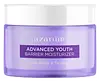 Key Ingredients
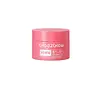
Benefits
Ingredients Side-by-side
Water
Skin ConditioningGlycerin
Humectant


Squalane
Emollient
Propanediol
Solvent
Panthenol
Skin Conditioning

Ceramide NP
Skin Conditioning
Chlorphenesin
Antimicrobial
Polyacrylate Crosspolymer-6
Emulsion StabilisingCaprylic/Capric Triglyceride
Masking
Phytol
Emollient
Isomalt
HumectantButylene Glycol
Humectant
Sodium Hyaluronate
Humectant
Pentylene Glycol
Skin Conditioning
Pistacia Lentiscus Gum
MaskingLecithin
Emollient
Glyceryl Caprylate
EmollientPotassium Hyaluronate
Skin ConditioningSodium Hyaluronate Crosspolymer
Humectant
Sodium Acetylated Hyaluronate
Humectant
Hydroxypropyltrimonium Hyaluronate
Hydrolyzed Hyaluronic Acid
Humectant
Hyaluronic Acid
Humectant
Hydrolyzed Sodium Hyaluronate
Skin Conditioning
Clitoria Ternatea Flower Extract
Skin ConditioningAcetyl Hexapeptide-8
Humectant
Water, Glycerin, Squalane, Propanediol, Panthenol, Ceramide NP, Chlorphenesin, Polyacrylate Crosspolymer-6, Caprylic/Capric Triglyceride, Phytol, Isomalt, Butylene Glycol, Sodium Hyaluronate, Pentylene Glycol, Pistacia Lentiscus Gum, Lecithin, Glyceryl Caprylate, Potassium Hyaluronate, Sodium Hyaluronate Crosspolymer, Sodium Acetylated Hyaluronate, Hydroxypropyltrimonium Hyaluronate, Hydrolyzed Hyaluronic Acid, Hyaluronic Acid, Hydrolyzed Sodium Hyaluronate, Clitoria Ternatea Flower Extract, Acetyl Hexapeptide-8
Water
Skin ConditioningNiacinamide
Smoothing






Propanediol
Solvent
Pentylene Glycol
Skin Conditioning
Panthenol
Skin Conditioning
C15-19 Alkane
SolventDimethicone
Emollient
Cyclopentasiloxane
Emollient
Dipropylene Glycol
HumectantTranexamic Acid
Astringent
Sodium Dna
Skin Conditioning
Phellodendron Amurense Bark Extract
Skin ConditioningCyanocobalamin
Skin Conditioning1,2-Hexanediol
Skin Conditioning
Cyclohexasiloxane
Emollient
Ethylhexylglycerin
Skin ConditioningButylene Glycol
Humectant
Hydroxypropyl Starch Phosphate
Carbomer
Emulsion StabilisingDisodium EDTA
Sodium Hydroxide
BufferingHydroxyacetophenone
Antioxidant
Ammonium Acryloyldimethyltaurate/Beheneth-25 Methacrylate Crosspolymer
Emulsion StabilisingAroma

CI 17200
Cosmetic ColorantCI 16035
Cosmetic ColorantCI 19140
Cosmetic ColorantWater, Niacinamide, Propanediol, Pentylene Glycol, Panthenol, C15-19 Alkane, Dimethicone, Cyclopentasiloxane, Dipropylene Glycol, Tranexamic Acid, Sodium Dna, Phellodendron Amurense Bark Extract, Cyanocobalamin, 1,2-Hexanediol, Cyclohexasiloxane, Ethylhexylglycerin, Butylene Glycol, Hydroxypropyl Starch Phosphate, Carbomer, Disodium EDTA, Sodium Hydroxide, Hydroxyacetophenone, Ammonium Acryloyldimethyltaurate/Beheneth-25 Methacrylate Crosspolymer, Aroma, CI 17200, CI 16035, CI 19140
Reviews
Ingredients Explained
These ingredients are found in both products.
Ingredients higher up in an ingredient list are typically present in a larger amount.
Butylene Glycol (or BG) is used within cosmetic products for a few different reasons:
Overall, Butylene Glycol is a safe and well-rounded ingredient that works well with other ingredients.
Though this ingredient works well with most skin types, some people with sensitive skin may experience a reaction such as allergic rashes, closed comedones, or itchiness.
Learn more about Butylene GlycolPanthenol is a common ingredient that helps hydrate and soothe the skin. It is found naturally in our skin and hair.
There are two forms of panthenol: D and L.
D-panthenol is also known as dexpanthenol. Most cosmetics use dexpanthenol or a mixture of D and L-panthenol.
Panthenol is famous due to its ability to go deeper into the skin's layers. Using this ingredient has numerous pros (and no cons):
Like hyaluronic acid, panthenol is a humectant. Humectants are able to bind and hold large amounts of water to keep skin hydrated.
This ingredient works well for wound healing. It works by increasing tissue in the wound and helps close open wounds.
Once oxidized, panthenol converts to pantothenic acid. Panthothenic acid is found in all living cells.
This ingredient is also referred to as pro-vitamin B5.
Learn more about PanthenolPentylene glycol is typically used within a product to thicken it. It also adds a smooth, soft, and moisturizing feel to the product. It is naturally found in plants such as sugar beets.
The hydrophilic trait of Pentylene Glycol makes it a humectant. As a humectant, Pentylene Glycol helps draw moisture from the air to your skin. This can help keep your skin hydrated.
This property also makes Pentylene Glycol a great texture enhancer. It can also help thicken or stabilize a product.
Pentylene Glycol also acts as a mild preservative and helps to keep a product microbe-free.
Some people may experience mild eye and skin irritation from Pentylene Glycol. We always recommend speaking with a professional about using this ingredient in your routine.
Pentylene Glycol has a low molecular weight and is part of the 1,2-glycol family.
Learn more about Pentylene GlycolPropanediol is an all-star ingredient. It softens, hydrates, and smooths the skin.
It’s often used to:
Propanediol is not likely to cause sensitivity and considered safe to use. It is derived from corn or petroleum with a clear color and no scent.
Learn more about PropanediolWater. It's the most common cosmetic ingredient of all. You'll usually see it at the top of ingredient lists, meaning that it makes up the largest part of the product.
So why is it so popular? Water most often acts as a solvent - this means that it helps dissolve other ingredients into the formulation.
You'll also recognize water as that liquid we all need to stay alive. If you see this, drink a glass of water. Remember to stay hydrated!
Learn more about Water
