
What's inside
What's inside
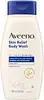 Key Ingredients
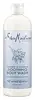
Benefits
Concerns
Ingredients Side-by-side
Water
Skin ConditioningGlycerin
Humectant


Sodium Laureth Sulfate
Cleansing

Cocamidopropyl Betaine
Cleansing


Sodium Hydrolyzed Potato Starch Dodecenylsuccinate
SurfactantAvena Sativa Kernel Flour
Abrasive

Avena Sativa Kernel Oil
Skin Conditioning



Avena Sativa Kernel Extract
Abrasive
Guar Hydroxypropyltrimonium Chloride
Skin ConditioningPolyquaternium-10
Tetrasodium Glutamate Diacetate
Glycol Distearate
Emollient
Laureth-4
Emulsifying
Acrylates/C10-30 Alkyl Acrylate Crosspolymer
Emulsion StabilisingSodium Benzoate
Masking
Citric Acid
Buffering

Sodium Hydroxide
BufferingWater, Glycerin, Sodium Laureth Sulfate, Cocamidopropyl Betaine, Sodium Hydrolyzed Potato Starch Dodecenylsuccinate, Avena Sativa Kernel Flour, Avena Sativa Kernel Oil, Avena Sativa Kernel Extract, Guar Hydroxypropyltrimonium Chloride, Polyquaternium-10, Tetrasodium Glutamate Diacetate, Glycol Distearate, Laureth-4, Acrylates/C10-30 Alkyl Acrylate Crosspolymer, Sodium Benzoate, Citric Acid, Sodium Hydroxide
Water
Skin ConditioningSodium Methyl Lauroyl Taurate
CleansingCocamidopropyl Betaine
Cleansing
Sodium Chloride
MaskingGlycol Distearate
Emollient
Butyrospermum Parkii Butter
Skin Conditioning
Avena Sativa Kernel Flour
Abrasive
Tocopherol
Antioxidant


Panthenol
Skin Conditioning
Glycine Soja Oil
Emollient
Polyquaternium-10
Lauric Acid
Cleansing
Taurine
BufferingCitric Acid
Buffering
Sodium Phytate
Sodium Benzoate
Masking
Caprylyl Glycol
Emollient
Triethyl Citrate
Masking
Hexyl Acetate
Masking
Benzyl Alcohol
Perfuming


Benzyl Salicylate
Perfuming
Anisaldehyde
Masking
Water, Sodium Methyl Lauroyl Taurate, Cocamidopropyl Betaine, Sodium Chloride, Glycol Distearate, Butyrospermum Parkii Butter, Avena Sativa Kernel Flour, Tocopherol, Panthenol, Glycine Soja Oil, Polyquaternium-10, Lauric Acid, Taurine, Citric Acid, Sodium Phytate, Sodium Benzoate, Caprylyl Glycol, Triethyl Citrate, Hexyl Acetate, Benzyl Alcohol, Benzyl Salicylate, Anisaldehyde
Reviews
Ingredients Explained
These ingredients are found in both products.
Ingredients higher up in an ingredient list are typically present in a larger amount.
Oatmeal flour is created by grinding down the kernels of oats. Oatmeal helps sooth, hydrate, and protect the skin.
Oatmeal kernel flour has abrasive, or exfoliating, properties.
Learn all about the skin benefits of colloidal oatmeal here.
Learn more about Avena Sativa Kernel FlourCitric Acid is an alpha hydroxy acid (AHA) naturally found in citrus fruits like oranges, lemons, and limes.
Like other AHAs, citric acid can exfoliate skin by breaking down the bonds that hold dead skin cells together. This helps reveal smoother and brighter skin underneath.
However, this exfoliating effect only happens at high concentrations (20%) which can be hard to find in cosmetic products.
Due to this, citric acid is usually included in small amounts as a pH adjuster. This helps keep products slightly more acidic and compatible with skin's natural pH.
In skincare formulas, citric acid can:
While it can provide some skin benefits, research shows lactic acid and glycolic acid are generally more effective and less irritating exfoliants.
Most citric acid used in skincare today is made by fermenting sugars (usually from molasses). This synthetic version is identical to the natural citrus form but easier to stabilize and use in formulations.
Read more about some other popular AHA's here:
Learn more about Citric AcidCocamidopropyl Betaine is a fatty acid created by mixing similar compounds in coconut oil and dimethylaminopropylamine, a compound with two amino groups.
This ingredient is a surfactant and cleanser. It helps gather the dirt, pollutants, and other impurities in your skin to be washed away. It also helps thicken a product and make the texture more creamy.
Being created from coconut oil means Cocamidopropyl Betaine is hydrating for the skin.
While Cocamidopropyl Betaine was believed to be an allergen, a study from 2012 disproved this. It found two compounds in unpure Cocamidopropyl Betaine to be the irritants: aminoamide and 3-dimethylaminopropylamine. High-grade and pure Cocamidopropyl Betaine did not induce allergic reactions during this study.
Learn more about Cocamidopropyl BetaineGlycol Distearate is an emulsifier and emollient that adds a "pearly" appearance to formulations.
That lustrous look you see in many shampoos is due to this ingredient: when cooled, it crystallizes into small platelets that reflect light to give products that rich, shimmering look.
This ingredient is considered safe at present practices of use and concentration and repeated insult patch test with 50% Glycol Distearate on 125 subjects found no evidence of skin irritation, hypersensitivity, or acute toxicity.
Typical use concentrations range from 0.1-10%.
Because it's an ester of stearic acid, it falls into the range that Malassezia likes to metabolize. This ingredient may not be fungal acne safe.
Learn more about Glycol DistearatePolyquaternium-10 is an ammonium salt of hydroxyethylcellulose. It is a white and granular powder used as a film-former and anti-static agent.
This ingredient is commonly found in hair conditioning products. According to a manufacturer, its positive charge makes it great for absorbing hair proteins. The manufacturer also states this ingredient helps with curl retention.
For haircare friends: this ingredient is not a silicone.
Learn more about Polyquaternium-10Sodium Benzoate is a preservative. It's used in both cosmetic and food products to inhibit the growth of mold and bacteria. It is typically produced synthetically.
Both the US FDA and EU Health Committee have approved the use of sodium benzoate. In the US, levels of 0.1% (of the total product) are allowed.
Sodium benzoate works as a preservative by inhibiting the growth of bacteria inside of cells. It prevents the cell from fermenting a type of sugar using an enzyme called phosphofructokinase.
It is the salt of benzoic acid. Foods containing sodium benzoate include soda, salad dressings, condiments, fruit juices, wines, and snack foods.
Studies for using ascorbic acid and sodium benzoate in cosmetics are lacking, especially in skincare routines with multiple steps.
We always recommend speaking with a professional, such as a dermatologist, if you have any concerns.
Learn more about Sodium BenzoateWater. It's the most common cosmetic ingredient of all. You'll usually see it at the top of ingredient lists, meaning that it makes up the largest part of the product.
So why is it so popular? Water most often acts as a solvent - this means that it helps dissolve other ingredients into the formulation.
You'll also recognize water as that liquid we all need to stay alive. If you see this, drink a glass of water. Remember to stay hydrated!
Learn more about Water
