

What's inside
What's inside
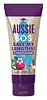 Key Ingredients
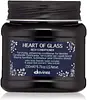
Benefits
Concerns
Ingredients Side-by-side
Water
Skin ConditioningStearyl Alcohol
Emollient


Silicone Quaternium-26
Emollient
Behentrimonium Chloride
Preservative
Cetyl Alcohol
Emollient
Isopropyl Alcohol
Solvent



Parfum
Masking

Phenoxyethanol
Preservative
Benzyl Alcohol
Perfuming
Sodium Benzoate
Masking
Limonene
Perfuming
Disodium EDTA
ChelatingPolysorbate 20
Emulsifying
Citric Acid
Buffering

Linalool
Perfuming
Glycerin
Humectant


Sodium Hydroxide
BufferingButylene Glycol
Humectant
Santalum Acuminatum Fruit Extract
Antioxidant
Macadamia Ternifolia Seed Oil
Emollient
Leptospermum Scoparium Leaf Extract
Skin ConditioningAlcohol Denat.
Antimicrobial
Water, Stearyl Alcohol, Silicone Quaternium-26, Behentrimonium Chloride, Cetyl Alcohol, Isopropyl Alcohol, Parfum, Phenoxyethanol, Benzyl Alcohol, Sodium Benzoate, Limonene, Disodium EDTA, Polysorbate 20, Citric Acid, Linalool, Glycerin, Sodium Hydroxide, Butylene Glycol, Santalum Acuminatum Fruit Extract, Macadamia Ternifolia Seed Oil, Leptospermum Scoparium Leaf Extract, Alcohol Denat.
Water
Skin ConditioningCetearyl Alcohol
Emollient

Behentrimonium Chloride
Preservative
Glycerin
Humectant
Cetyl Alcohol
Emollient
Hydrogenated Farnesene
EmollientCetrimonium Chloride
Antimicrobial
Behentrimonium Methosulfate
SurfactantParfum
Masking
Glyceryl Stearate
Emollient
Orbignya Oleifera Seed Oil
Emollient
Isopropyl Alcohol
Solvent
Benzyl Alcohol
Perfuming
Maleic Acid
BufferingDisodium EDTA
ChelatingSodium Benzoate
Masking
Genipa Americana Fruit Extract
Skin ConditioningPolyglyceryl-3 Polyricinoleate
Emulsifying
Sclerotium Gum
Emulsion StabilisingSorbitan Isostearate
Emulsifying
Thioctamidoethyl Dimethylamine Maleate
Antimicrobial
Sodium Hydroxide
BufferingCorn Starch Modified
AbsorbentAlpha-Isomethyl Ionone
Perfuming
Linalool
Perfuming
Coumarin
Perfuming
Hydrolyzed Adansonia Digitata Seed Extract
Retinyl Palmitate
Skin Conditioning

Helianthus Annuus Seed Oil
Emollient
Water, Cetearyl Alcohol, Behentrimonium Chloride, Glycerin, Cetyl Alcohol, Hydrogenated Farnesene, Cetrimonium Chloride, Behentrimonium Methosulfate, Parfum, Glyceryl Stearate, Orbignya Oleifera Seed Oil, Isopropyl Alcohol, Benzyl Alcohol, Maleic Acid, Disodium EDTA, Sodium Benzoate, Genipa Americana Fruit Extract, Polyglyceryl-3 Polyricinoleate, Sclerotium Gum, Sorbitan Isostearate, Thioctamidoethyl Dimethylamine Maleate, Sodium Hydroxide, Corn Starch Modified, Alpha-Isomethyl Ionone, Linalool, Coumarin, Hydrolyzed Adansonia Digitata Seed Extract, Retinyl Palmitate, Helianthus Annuus Seed Oil
Ingredients Explained
These ingredients are found in both products.
Ingredients higher up in an ingredient list are typically present in a larger amount.
This ingredient is a preservative and often used for it's anti-static properties. You'll most likely see this ingredient in hair conditioners.
It does not cause irritation or sensitization in leave-on products at 1-5%.
Benzyl Alcohol is an aromatic alcohol with several roles: it's a preservative, solvent, and mild fragrance component with a floral scent.
This ingredient has been deemed safe for use in cosmetic formulations at concentrations up to 5%, and up to 10% in hair dyes. You'll typically see 0.5-2% in most rinse-off or leave-on products.
As a preservative, it works by disrupting the membrane of microbial proteins. This helps keep bacteria and fungi from growing in your products.
The sensitization picture is actually quite assuring as well:of nearly 71,000 patients patch tested with benzyl alcohol, only 0.21% showed a positive reaction with most of them being weakly positive.
This led researchers to conclude that benzyl alcohol cannot be regarded as a significant contact allergen.
It is worth noting this ingredient is classified as one of the EU's regulated fragrance allergens and restricted to 1% in finished products.
Labels must also declare it in concentrations above 0.001% in leave-on products and 0.01% in rinse-off products.
At concentrations around 5%, localized redness and itching can appear as a direct irritant response and not as a true allergic reaction.
Learn more about Benzyl AlcoholCetyl Alcohol is a fatty alcohol. Fatty Alcohols are most often used as an emollient or to thicken a product.
Its main roles are:
Though it has "alcohol" in the name, it is not related to denatured alcohol or ethyl alcohol.
The FDA allows products labeled "alcohol-free" to have fatty alcohols.
This ingredient may not be fungal acne safe. It is a primary fatty alcohol with a chain length above 12 carbons. A study from 2019 show Malassezia can feed on fatty alcohols in this range, so it may trigger fungal acne in those prone to it.
Learn more about Cetyl AlcoholDisodium EDTA is a chelating agent. It grabs onto and deactivates metal ions that sneak into your products from water, packaging, or air.
This ingredient mainly works behind the scenes and helps with:
On top of that, this ingredient can counteract the effects of hard water by binding to the minerals in it.
One thing worth knowing is that Disodium EDTA has been shown to be a mild penetration enhancer. It can help other ingredients absorb into skin more effectively which can be a double-edged sword (great for actives, but can also make the active too strong if you have sensitive skin).
Clinical patch testing showed no significant skin irritation at typical use concentrations and minimal dermal absorption.
You'll most likely see this ingredient near the end of an ingredient list. It's typically found in concentrations less than 1%.
Learn more about Disodium EDTAGlycerin (or glycerol) is a compound naturally found in your skin. It's a powerhouse humectant that pulls water into the stratum corneum.
Topically, glycerin does several things at once:
Your skin makes glycerin on its own (mostly from sebaceous oil breakdown) and shuttles it to your outermost layer of skin, or your epidermis, via aquaporin-3.
Aquaporin-3 is a transporter that is essential for normal skin hydration, elasticity, and repair. Interestingly, mice lacking in AQP3 have dry and less elastic skin that can be fully corrected with glycerin.
This ingredient is non-irritating, plays well with almost every ingredient, and works across all skin types. Typical use is anywhere between 3-10% but can go up to 79% in some leave-on products.
Just know very high concentrations (>40%) can feel tacky in low humidity.
Glycerin is the name for this ingredient in American English. British English uses Glycerol/Glycerine.
Learn more about GlycerinIsopropyl Alcohol is a small, fast-evaporating alcohol.
Formulators use it as a solvent, a way to think out thick liquids, an antifoaming agent, and occasionally a fragrance ingredient.
Reported use concentrations run from 0.002%-100% and any number over 50% usually comes from a nail product.
Actual skincare numbers run much lower: cleansers (0.3-26%), toners (0.07-7%), face moisturizers (0.04-0.2%).
The Cosmetic Ingredient Review Expert Panel reviewed it and concluded it is safe in the present practices of use and the International Agency for Research on Cancer classifies it as a non-carcinogenic to humans.
True allergy to this ingredient is uncommon but real: 44 out of 1,450 patients patch tested between 1992-2011 reacted with most cases clustering in people with leg ulcers, occupational hand eczema, or repeated use of Isopropyl Alcohol on already-broken skin.
Irritation and dryness are far more likely than allergy; before you throw away your skincare, just know this is dose-dependent and the risk is modest.
The irritant potential of the alcohols used in hand antiseptics is very low and skin irritation is significantly lower after alcohol application than after detergents (though isopropanol is somewhat more irritating than ethanol).
A 70% solution was a severe eye irritant in rabbit eye tests so the industry keeps this ingredient at low percentages in eye-area products.
One genuine caution: a 70% solution was a severe eye irritant in rabbit eye tests, so it belongs at low percentages in eye-area products, which is where the industry already keeps it.
According to the National Rosacea Society based in the US, you should be mindful of products with these alcohols in the top half of ingredients.
Learn more about Isopropyl AlcoholLinalool is a small, naturally occurring scent molecule found in plants like lavender, coriander, bergamot, and more.
It is one of the two most-used fragrance ingredients in cosmetics and added purely for smell. Since it's not used for a skin benefit, there's no "effective dose". Concentration depends on the fragrance load of the product.
The EU requires it to be named on the label above 0.001% in leave-on and 0.01% in rinse-off products.
Fresh linalool is a weak sensitizer but air exposure turns some of it into hydroperoxides, which are strong sensitizers. Those oxidation products are the actual allergy concern.
Patch-test clinics see positive reactions to linalool hydroperoxides in about 4% to 12% of dermatitis patients depending on country and test concentration.
Resassuringly, one analytical study found hydroperoxide levels in real fragranced products to be orders of magnitude below what induced sensitization in animal studies with no evidence of oxidation building up during normal storage.
The practical takeaway is that linalool is fine for most people but worth avoiding if you have a confirmed fragrance contact allergy or a badly compromised barrier.
Products stored a long time after opening are also the high-risk scenario since that is when oxidation happens.
The scent of linalool is described as floral, spicy tropical, and citrus-like.
Learn more about LinaloolParfum is a catch-all term for an ingredient or more that is used to give a scent to products.
Also called "fragrance", this ingredient can be a blend of hundreds of chemicals or plant oils. This means every product with "fragrance" or "parfum" in the ingredients list is a different mixture.
For instance, Habanolide is a proprietary trade name for a specific aroma chemical. When used as a fragrance ingredient in cosmetics, most aroma chemicals fall under the broad labeling category of “FRAGRANCE” or “PARFUM” according to EU and US regulations.
The term 'parfum' or 'fragrance' is not regulated in many countries. In many cases, it is up to the brand to define this term.
For instance, many brands choose to label themselves as "fragrance-free" because they are not using synthetic fragrances. However, their products may still contain ingredients such as essential oils that are considered a fragrance by INCI standards.
One example is Calendula flower extract. Calendula is an essential oil that still imparts a scent or 'fragrance'.
Depending on the blend, the ingredients in the mixture can cause allergies and sensitivities on the skin. Some ingredients that are known EU allergens include linalool and citronellol.
Parfum can also be used to mask or cover an unpleasant scent.
The bottom line is: not all fragrances/parfum/ingredients are created equally. If you are worried about fragrances, we recommend taking a closer look at an ingredient. And of course, we always recommend speaking with a professional.
Learn more about ParfumSodium Benzoate is a preservative. It's used in both cosmetic and food products to inhibit the growth of mold and bacteria. It is typically produced synthetically.
Both the US FDA and EU Health Committee have approved the use of sodium benzoate. In the US, levels of 0.1% (of the total product) are allowed.
Sodium benzoate works as a preservative by inhibiting the growth of bacteria inside of cells. It prevents the cell from fermenting a type of sugar using an enzyme called phosphofructokinase.
It is the salt of benzoic acid. Foods containing sodium benzoate include soda, salad dressings, condiments, fruit juices, wines, and snack foods.
Studies for using ascorbic acid and sodium benzoate in cosmetics are lacking, especially in skincare routines with multiple steps.
We always recommend speaking with a professional, such as a dermatologist, if you have any concerns.
Learn more about Sodium BenzoateSodium Hydroxide is also known as lye or caustic soda. It is used to adjust the pH of products; many ingredients require a specific pH to be effective.
In small amounts, sodium hydroxide is considered safe to use. However, large amounts may cause chemical burns due to its high alkaline.
Your skin has a natural pH and acid mantle. This acid mantle helps prevent harmful bacteria from breaking through. The acid mantle also helps keep your skin hydrated.
"Alkaline" refers to a high pH level. A low pH level would be considered acidic.
Learn more about Sodium HydroxideWater. It's the most common cosmetic ingredient of all. You'll usually see it at the top of ingredient lists, meaning that it makes up the largest part of the product.
So why is it so popular? Water most often acts as a solvent - this means that it helps dissolve other ingredients into the formulation.
You'll also recognize water as that liquid we all need to stay alive. If you see this, drink a glass of water. Remember to stay hydrated!
Learn more about Water

