

What's inside
What's inside
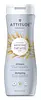 Key Ingredients
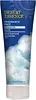
Benefits
Concerns
Ingredients Side-by-side
Water
Skin ConditioningSodium Coco-Sulfate
Cleansing

Coco-Glucoside
Cleansing
Glycerin
Humectant


Sodium Cocoyl Isethionate
Cleansing
Lauryl Hydroxysultaine
CleansingCitric Acid
Buffering


Sodium Chloride
MaskingInulin
Skin Conditioning
Glyceryl Oleate
Emollient


Sodium Benzoate
Masking
Potassium Sorbate
Preservative
Panthenol
Skin Conditioning

Vitis Vinifera Seed Oil
Emollient
Guar Hydroxypropyltrimonium Chloride
Skin ConditioningAvena Sativa Kernel Extract
Abrasive

Hydrolyzed Soy Protein
Humectant
Water, Sodium Coco-Sulfate, Coco-Glucoside, Glycerin, Sodium Cocoyl Isethionate, Lauryl Hydroxysultaine, Citric Acid, Sodium Chloride, Inulin, Glyceryl Oleate, Sodium Benzoate, Potassium Sorbate, Panthenol, Vitis Vinifera Seed Oil, Guar Hydroxypropyltrimonium Chloride, Avena Sativa Kernel Extract, Hydrolyzed Soy Protein
Aloe Barbadensis Leaf Juice
Skin Conditioning
Camellia Sinensis Leaf Extract
Antimicrobial


Sodium Coco-Sulfate
Cleansing
Decyl Glucoside
Cleansing
Sodium Chloride
MaskingCoco-Glucoside
Cleansing
Glycerin
Humectant
Panthenol
Skin Conditioning
Simmondsia Chinensis Seed Oil
Emollient
Symphytum Officinale Leaf Extract
Skin ConditioningUrtica Dioica Leaf Extract
Skin ConditioningMacrocystis Pyrifera Extract
Skin Conditioning

Lepidium Meyenii Root Extract
Skin ConditioningYucca Brevifolia Root Extract
Skin ConditioningSalix Alba Bark Extract
Astringent
Benzyl Alcohol
Perfuming


Citric Acid
Buffering
Dehydroacetic Acid
Preservative
Potassium Sorbate
Preservative
Aloe Barbadensis Leaf Juice, Camellia Sinensis Leaf Extract, Sodium Coco-Sulfate, Decyl Glucoside, Sodium Chloride, Coco-Glucoside, Glycerin, Panthenol, Simmondsia Chinensis Seed Oil, Symphytum Officinale Leaf Extract, Urtica Dioica Leaf Extract, Macrocystis Pyrifera Extract, Lepidium Meyenii Root Extract, Yucca Brevifolia Root Extract, Salix Alba Bark Extract, Benzyl Alcohol, Citric Acid, Dehydroacetic Acid, Potassium Sorbate
Ingredients Explained
These ingredients are found in both products.
Ingredients higher up in an ingredient list are typically present in a larger amount.
Citric Acid is an alpha hydroxy acid (AHA) naturally found in citrus fruits like oranges, lemons, and limes.
Like other AHAs, citric acid can exfoliate skin by breaking down the bonds that hold dead skin cells together. This helps reveal smoother and brighter skin underneath.
However, this exfoliating effect only happens at high concentrations (20%) which can be hard to find in cosmetic products.
Due to this, citric acid is usually included in small amounts as a pH adjuster. This helps keep products slightly more acidic and compatible with skin's natural pH.
In skincare formulas, citric acid can:
While it can provide some skin benefits, research shows lactic acid and glycolic acid are generally more effective and less irritating exfoliants.
Most citric acid used in skincare today is made by fermenting sugars (usually from molasses). This synthetic version is identical to the natural citrus form but easier to stabilize and use in formulations.
Rosacea skin has a lower threshold for acids generally, with 62.5% of rosacea subjects in one study reacting to lactic acid in a sting test. This is why we mark citric acid as a potential rosacea trigger.
However, this ingredient shows up as a pH adjuster or chelator at roughly 0.1-1% in many products. These low levels are unlikely to be an issue for rosacea skin and becomes a potential trigger at exfoliating concentrations (20%). Because everybody's skin is unique, we recommend a patch test if you are unsure.
Learn more about Citric AcidCoco-Glucoside is a surfactant, or a cleansing ingredient. It is made from glucose and coconut oil.
Surfactants help gather dirt, oil, and other pollutants from your skin to be rinsed away.
This ingredient is considered gentle and non-comedogenic. However, it may still be irritating for some.
Learn more about Coco-GlucosideGlycerin (or glycerol) is a compound naturally found in your skin. It's a powerhouse humectant that pulls water into the stratum corneum.
Topically, glycerin does several things at once:
Your skin makes glycerin on its own (mostly from sebaceous oil breakdown) and shuttles it to your outermost layer of skin, or your epidermis, via aquaporin-3.
Aquaporin-3 is a transporter that is essential for normal skin hydration, elasticity, and repair. Interestingly, mice lacking in AQP3 have dry and less elastic skin that can be fully corrected with glycerin.
This ingredient is non-irritating, plays well with almost every ingredient, and works across all skin types. Typical use is anywhere between 3-10% but can go up to 79% in some leave-on products.
Just know very high concentrations (>40%) can feel tacky in low humidity.
Glycerin is the name for this ingredient in American English. British English uses Glycerol/Glycerine.
Learn more about GlycerinPanthenol is a common ingredient that helps hydrate and soothe the skin. It is found naturally in our skin and hair.
There are two forms of panthenol: D and L.
D-panthenol is also known as dexpanthenol. Most cosmetics use dexpanthenol or a mixture of D and L-panthenol.
Panthenol is famous due to its ability to go deeper into the skin's layers. Using this ingredient has numerous pros (and no cons):
Like hyaluronic acid, panthenol is a humectant. Humectants are able to bind and hold large amounts of water to keep skin hydrated.
This ingredient works well for wound healing. It works by increasing tissue in the wound and helps close open wounds.
Once oxidized, panthenol converts to pantothenic acid. Panthothenic acid is found in all living cells.
This ingredient is also referred to as pro-vitamin B5.
Learn more about PanthenolPotassium Sorbate is a preservative used to prevent yeast and mold in products. It is commonly found in both cosmetic and food products.
This ingredient comes from potassium salt derived from sorbic acid. Sorbic acid is a natural antibiotic and effective against fungus.
Both potassium sorbate and sorbic acid can be found in baked goods, cheeses, dried meats, dried fruit, ice cream, pickles, wine, yogurt, and more.
You'll often find this ingredient used with other preservatives.
Learn more about Potassium SorbateChances are, you eat sodium chloride every day. Sodium Chloride is also known as table salt. This ingredient has many purposes in skincare: thickener, emulsifier, and exfoliator.
You'll most likely find this ingredient in cleansers where it is used to create a gel-like texture. As an emulsifier, it also prevents ingredients from separating.
You might see people debate whether Sodium Chloride is comedogenic, but there actually haven't been any comedogenic tests done on it. Either way, the overall formulation of a product matters a lot more than any single ingredient.
You might see this ingredient used in scrubs as a primary exfoliating ingredient.
Learn more about Sodium ChlorideSodium Coco-Sulfate (SCS) is an anionic cleanser made by sulfating coconut-derived fatty alcohols and neutralizing them into a sodium salt. It's a strong and bubbly cleanser and closely realted to SLS.
This ingredient works by grabbing onto oil, dirt, and grime so they can be rinsed away. It also helps add foam for a big-lather feel.
Like other members of the alkyl sulfate family, these surfactants can be drying or irritating. This is especially true if your skin barrier is already stressed, the product is very concentrated, or if you leave the ingredient on for too long.
One research paper comparing SCS vs SLS found SCS may score a bit more on the "milder" side for irritation measures, but it still interacts strongly with skin lipids which can cause barrier disruption.
SCS tends to be the best in rinse-off products.
Learn more about Sodium Coco-Sulfate

