Aroma-Zone Sérum Concentré Vitamine C 10% & Astaxanthine Versus Aroma-Zone Concentrated Serum Vitamin B12 & Prebiotics
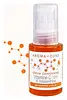
This brightening serum is formulated around Ascorbyl Glucoside and Haematococcus Pluvialis Extract to brighten dull-looking skin and fade the look of dark spots.
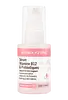
This calming serum is formulated around Avena Sativa Kernel Oil and Inulin to calm redness and strengthen the skin barrier.

What's inside
What's inside
 Key Ingredients
Benefits
Concerns
Ingredients Side-by-side
Water
Skin ConditioningAscorbyl Glucoside 10%
Antioxidant




Glycerin
Humectant

Salix Nigra Bark Extract
Skin ProtectingSodium Hydroxide
BufferingSodium Levulinate
Skin ConditioningHaematococcus Pluvialis Extract
Antioxidant
Sodium Hyaluronate
Humectant
Simmondsia Chinensis Seed Oil
Emollient


Astragalus Gummifer Gum
Emulsion StabilisingLevulinic Acid
Perfuming

Sodium Anisate
AntimicrobialPhytic Acid
Chelating
Polyepsilon-Lysine
Skin ConditioningTocopherol
Antioxidant

Helianthus Annuus Seed Oil
Emollient
Water, Ascorbyl Glucoside 10%, Glycerin, Salix Nigra Bark Extract, Sodium Hydroxide, Sodium Levulinate, Haematococcus Pluvialis Extract, Sodium Hyaluronate, Simmondsia Chinensis Seed Oil, Astragalus Gummifer Gum, Levulinic Acid, Sodium Anisate, Phytic Acid, Polyepsilon-Lysine, Tocopherol, Helianthus Annuus Seed Oil
Water
Skin ConditioningGlycerin
Humectant
Caprylic/Capric Triglyceride
Masking
Avena Sativa Kernel Oil
Skin Conditioning
Hordeum Vulgare Seed Extract
Skin ConditioningDipotassium Glycyrrhizate
Humectant
Inulin
Skin Conditioning
Sodium Levulinate
Skin ConditioningMyristyl Alcohol
Emollient



Sodium Hyaluronate
Humectant
Cyanocobalamin
Skin ConditioningAlpha-Glucan Oligosaccharide
Cleansing
Ceramide NP
Skin Conditioning
Propanediol
Solvent
Arachidyl Alcohol
Emollient
Caprylyl Glycol
Emollient
Levulinic Acid
Perfuming
Cetearyl Alcohol
Emollient
Myristyl Glucoside
CleansingBehenyl Alcohol
Emollient
Sodium Anisate
AntimicrobialSodium Gluconate
ChelatingXanthan Gum
EmulsifyingSclerotium Gum
Emulsion StabilisingArachidyl Glucoside
EmulsifyingWater, Glycerin, Caprylic/Capric Triglyceride, Avena Sativa Kernel Oil, Hordeum Vulgare Seed Extract, Dipotassium Glycyrrhizate, Inulin, Sodium Levulinate, Myristyl Alcohol, Sodium Hyaluronate, Cyanocobalamin, Alpha-Glucan Oligosaccharide, Ceramide NP, Propanediol, Arachidyl Alcohol, Caprylyl Glycol, Levulinic Acid, Cetearyl Alcohol, Myristyl Glucoside, Behenyl Alcohol, Sodium Anisate, Sodium Gluconate, Xanthan Gum, Sclerotium Gum, Arachidyl Glucoside
Ingredients Explained
These ingredients are found in both products.
Ingredients higher up in an ingredient list are typically present in a larger amount.
Glycerin (or glycerol) is a compound naturally found in your skin. It's a powerhouse humectant that pulls water into the stratum corneum.
Topically, glycerin does several things at once:
Your skin makes glycerin on its own (mostly from sebaceous oil breakdown) and shuttles it to your outermost layer of skin, or your epidermis, via aquaporin-3.
Aquaporin-3 is a transporter that is essential for normal skin hydration, elasticity, and repair. Interestingly, mice lacking in AQP3 have dry and less elastic skin that can be fully corrected with glycerin.
This ingredient is non-irritating, plays well with almost every ingredient, and works across all skin types. Typical use is anywhere between 3-10% but can go up to 79% in some leave-on products.
Just know very high concentrations (>40%) can feel tacky in low humidity.
Glycerin is the name for this ingredient in American English. British English uses Glycerol/Glycerine.
Learn more about GlycerinLevulinic Acid is a fragrance that comes from the degradation of cellulose. It is a saturated fatty acid.
This ingredient is often used a building block for other compounds, such as in pharmaceuticals.
According to a manufacturer, this ingredient smells like caramel.
Learn more about Levulinic AcidSodium Anisate comes from fennel. It is used as a preservative and to add flavoring.
Sodium Anisate has antimicrobial properties.
Sodium Hyaluronate is the salt form of hyaluronic acid. It is a long sugar chain that is naturally found in your skin, joints, and connective tissue that maintains hydration and elasticity.
In skincare, it works as a humectant. It pulls water from the environment and deeper layers of skin and binds it to the surface.
Interestingly, the size of the molecule affects its behavior:
Some clinical evidence links low molecular weight versions to improved wrinkle depth, elasticity, anti-inflammatory effects, and barrier repair.
Many serums use a blend of both weights so you can get surface hydration plus longer-lasting and deeper effects.
You'll typically see concentrations between 0.1-2% for this ingredient.
Learn more about Sodium HyaluronateSodium levulinate is the a sodium salt of Levulinic Acid. Oncedissolved in an aqueous solution, the two ingredients become identical. It is usually derived from renewable plant sources like corn starch or sugarcane.
In skincare, it mostly acts as a skin conditioning agent that keeps skin soft and hydrated. It also acts as a preservative booster by inhibiting the growth of mold, yeast, and bacteria.
It's often paired with Sodium Anisate as the two create a broad-spectrum preservative system that is popular in "natural" formulations.
This ingredient is water-soluble.
The CIR Expert Panel for Cosmetic Ingredient Safety has concluded this ingredient to be non-irritated and there are no restrictions for use in EU cosmetics. The FDA also allows this ingredient to be used as a food-grade flavoring agent.
Learn more about Sodium LevulinateWater. It's the most common cosmetic ingredient of all. You'll usually see it at the top of ingredient lists, meaning that it makes up the largest part of the product.
So why is it so popular? Water most often acts as a solvent - this means that it helps dissolve other ingredients into the formulation.
You'll also recognize water as that liquid we all need to stay alive. If you see this, drink a glass of water. Remember to stay hydrated!
Learn more about Water

