

What's inside
What's inside
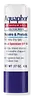 Key Ingredients
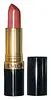
Benefits
Concerns
Ingredients Side-by-side
Butyl Methoxydibenzoylmethane 3%
UV Absorber
Homosalate 9%
Skin Conditioning
Ethylhexyl Salicylate 4.5%
UV Absorber
Octocrylene 9%
UV Absorber

Octyldodecanol
Emollient
Ricinus Communis Seed Oil
Masking



Beeswax
Emulsion Stabilising

Bis-Diglyceryl Polyacyladipate-2
Emollient
Butyrospermum Parkii Butter
Skin Conditioning
Hydrogenated Castor Oil
Emollient
Helianthus Annuus Seed Wax
Skin Conditioning
Cetearyl Alcohol
Emollient
Dimethicone
Emollient

Simmondsia Chinensis Seed Oil
Emollient
Copernicia Cerifera Wax
Tocopheryl Acetate
Antioxidant


Ascorbyl Palmitate
Antioxidant
Helianthus Annuus Seed Oil
Emollient
Tocopherol
Antioxidant


Butyl Methoxydibenzoylmethane 3%, Homosalate 9%, Ethylhexyl Salicylate 4.5%, Octocrylene 9%, Octyldodecanol, Ricinus Communis Seed Oil, Beeswax, Bis-Diglyceryl Polyacyladipate-2, Butyrospermum Parkii Butter, Hydrogenated Castor Oil, Helianthus Annuus Seed Wax, Cetearyl Alcohol, Dimethicone, Simmondsia Chinensis Seed Oil, Copernicia Cerifera Wax, Tocopheryl Acetate, Ascorbyl Palmitate, Helianthus Annuus Seed Oil, Tocopherol
Trioctyldodecyl Citrate
EmollientOzokerite
Emulsion StabilisingPolybutene
Ethylhexyl Palmitate
Emollient
Octyldodecyl Neopentanoate
EmollientPentaerythrityl Tetraisostearate
Emollient
C10-30 Cholesterol/Lanosterol Esters
Emulsifying
Bis-Diglyceryl Polyacyladipate-2
Emollient
Cera Microcristallina
Emulsion StabilisingCaprylic/Capric/Stearic Triglyceride
Skin ConditioningBeeswax
Emulsion Stabilising
Silica
Abrasive


Synthetic Wax
Abrasive
Tocopheryl Acetate
Antioxidant
Ascorbyl Palmitate
Antioxidant
Aloe Barbadensis Leaf Extract
Emollient
Serica
HumectantPentaerythrityl Tetraethylhexanoate
Emollient
Caprylyl Glycol
Emollient
1,2-Hexanediol
Skin Conditioning
Mica
Cosmetic ColorantCI 77891
Cosmetic ColorantIron Oxides
CI 17200
Cosmetic ColorantCI 19140
Cosmetic ColorantCI 15985
Cosmetic ColorantCI 42090
Cosmetic ColorantCI 15850
Cosmetic ColorantCI 45410
Cosmetic ColorantCI 77163
Cosmetic Colorant
CI 75470
Cosmetic ColorantTrioctyldodecyl Citrate, Ozokerite, Polybutene, Ethylhexyl Palmitate, Octyldodecyl Neopentanoate, Pentaerythrityl Tetraisostearate, C10-30 Cholesterol/Lanosterol Esters, Bis-Diglyceryl Polyacyladipate-2, Cera Microcristallina, Caprylic/Capric/Stearic Triglyceride, Beeswax, Silica, Synthetic Wax, Tocopheryl Acetate, Ascorbyl Palmitate, Aloe Barbadensis Leaf Extract, Serica, Pentaerythrityl Tetraethylhexanoate, Caprylyl Glycol, 1,2-Hexanediol, Mica, CI 77891, Iron Oxides, CI 17200, CI 19140, CI 15985, CI 42090, CI 15850, CI 45410, CI 77163, CI 75470
Reviews
Ingredients Explained
These ingredients are found in both products.
Ingredients higher up in an ingredient list are typically present in a larger amount.
Ascorbyl Palmitate is a fat-soluble form of vitamin C (Ascorbic Acid) made by combining it with palmitic acid.
It is able to blend easily into creams and oil-based formulas because it dissolves in oils rather than water.
As you may know, regular vitamin C is notorious for breaking down when exposed to sunlight and air. Ascorbyl Palmitate is more stable and degrades at a slower rate.
Research on whether it converts efficiently into active vitamin C once it's applied on your skin is still limited.
Some in-vitro studies suggest it may support collagen production, but it is not considered one of the stronger vitamin C derivatives, like:
Due to the palmitic acid base, this ingredient may not be fungal acne safe. Comedogenic studies have also shown this ingredient to have a rating of 2.
It's also worth keeping in mind that comedogenic and irritancy ratings are tested on individual ingredients, not finished formulas. The final product's formulation, concentration, and other ingredients all play a role in how something actually behaves on your skin.
Learn more about Ascorbyl PalmitateBeeswax is natural wax produced by honey bees to build their honeycomb.
Because it forms a protective layer on your skin, it can help lock in moisture and reduce water loss. It is also widely used as a thickener and emulsifier in lip balms and lotions. Research suggests beeswax containing moisturizers can support skin barrier integrity.
In comedogenic testing, Beeswax scored a 0-2, which is on the low end. Whether or not a product clogs your pores really comes down to the formula as a whole (not any single ingredient on its own).
Cera Alba is the white, bleached form of this ingredient.
Just so you know, beeswax is not vegan since it is animal-derived. It cannot be removed with water, but can be taken off with an oil cleanser.
People with a known Propolis allergy also report to have reactions from beeswax.
Learn more about BeeswaxThis ingredient is lipid-based synthetic skin-conditioning agent derived from adipic acid and a mixture of fatty acids. It is often called a lanolin substitute.
As an emollient, it helps soften and hydrate the skin. Emollients create a barrier on the skin to trap moisture in.
Due to its fatty acid base, it may not be Malassezia folliculitis safe.
Learn more about Bis-Diglyceryl Polyacyladipate-2Tocopheryl Acetate is AKA Vitamin E. It is an antioxidant and protects your skin from free radicals. Free radicals damage the skin by breaking down collagen.
One study found using Tocopheryl Acetate with Vitamin C decreased the number of sunburned cells.
Tocopheryl Acetate is commonly found in both skincare and dietary supplements.
Learn more about Tocopheryl Acetate
