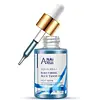
This anti-aging oil is formulated around Chamomilla Recutita Flower Oil and Bakuchiol to soften the look of wrinkles and calm redness.
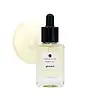
This hydrating oil is formulated around Camellia Japonica Seed Oil and Ascorbyl Tetraisopalmitate to hydrate skin and brighten dull-looking skin.

What's inside
What's inside
 Key Ingredients
Benefits
Concerns
Ingredients Side-by-side

Camellia Japonica Seed Oil 51.97%
Emollient



Helianthus Annuus Seed Oil
Emollient
Coco-Caprylate/Caprate
Emollient
Oryza Sativa Bran Oil
Emollient

Olea Europaea Fruit Oil
Masking


Macadamia Ternifolia Seed Oil
Emollient
Simmondsia Chinensis Seed Oil
Emollient

Ricinus Communis Seed Oil
Masking
Caprylic/Capric Triglyceride
Masking
Tocopherol
Antioxidant




Argania Spinosa Kernel Oil
Emollient
Bisabolol
Antioxidant
Rosa Canina Fruit Oil
Emollient
Ascorbyl Tetraisopalmitate
Antioxidant
Magnolia Officinalis Bark Extract
Antimicrobial
Bakuchiol
Antimicrobial

Citrus Limon Peel Oil
Masking



Aniba Rosodora Wood Oil
Astringent
Lavandula Angustifolia Oil
Masking
Limonene
Perfuming
Linalool
Perfuming
Citral
Perfuming
Geraniol
Perfuming
Benzyl Benzoate
Antimicrobial
Camellia Japonica Seed Oil 51.97%, Helianthus Annuus Seed Oil, Coco-Caprylate/Caprate, Oryza Sativa Bran Oil, Olea Europaea Fruit Oil, Macadamia Ternifolia Seed Oil, Simmondsia Chinensis Seed Oil, Ricinus Communis Seed Oil, Caprylic/Capric Triglyceride, Tocopherol, Argania Spinosa Kernel Oil, Bisabolol, Rosa Canina Fruit Oil, Ascorbyl Tetraisopalmitate, Magnolia Officinalis Bark Extract, Bakuchiol, Citrus Limon Peel Oil, Aniba Rosodora Wood Oil, Lavandula Angustifolia Oil, Limonene, Linalool, Citral, Geraniol, Benzyl Benzoate
Ingredients Explained
These ingredients are found in both products.
Ingredients higher up in an ingredient list are typically present in a larger amount.
Bakuchiol is a plant-derived antioxidant from the seeds of the Psoralea corylifolia plant. It has antimicrobial, emollient, skin conditioning, and antioxidant properties.
You'll likely see it called a "retinol replacement" but the two are technically not related. This is because bakuchiol is able to flip many of the same switches in your skin cells to tell them to:
1) produce more collagen (type I, III, and IV)
2) activate the same genes retinoids do
Unlike retinoids, this ingredient will not increase photosensitivity and is safe to use during pregnancy (but please still check in with your doctor!).
The flagship clinical trial from Dhaliwal et al. 2019 found 0.5% bakuchiol (twice daily) and 0.5% retinol (once daily) reduced wrinkles and hyperpigmentation equally, but bakuchiol had significantly less irritation.
Systematic reviews also back this up:
Bakuchiol is comparable to retinol for photoaging but with better tolerability. It also has mild antibacterial properties against Cutibacterium acnes and antifungal activity in vitro against Candida and dermatophytes.
The reason bakuchiol works well is due to its structure; it is a meroterpene phenol, or a hybrid molecule. The phenol half acts as an antioxidant while the terpene half is fat-loving. This helps the molecule slip through the skin barrier.
This ingredient is usually used between 0.5-2%. Only one case of contact dermatitis has ever been reported for this ingredient.
Learn more about BakuchiolCaprylic/Capric Triglyceride (aka MCT Oil) is a lightweight emollient, solvent, and texture enhancer. It is considered a skin-softener by helping to prevent moisture loss.
Though it behaves like an oil, it is not technically one due to its chemical composition. One perk of this ingredient is that it is very stable, resistant to oxidation, and unlikely to go rancid.
In practice, that translates to a long shelf life and a consistently elegant skin feel.
While there is an assumption Caprylic Triglyceride can clog pores due to it being derived from coconut oil, there is no research supporting this. Just patch test if you have concerns.
Fractionated coconut oil and MCT Oil are both listed as Caprylic/Capric Triglyceride according to INCI. This is because INCI names are based on the ingredient’s final chemical composition and not its marketing name or source.
This ingredient is treated as the gold standard fungal acne safe oil. Even though it is coconut derived, the problematic lauric acid is stripped out.
This leaves just caprylic (C8) and capric (C10) acid. These chain lengths actually trend antifungal; a 2020 study found caprylic acid was enough to disrupt Malassezia furfur cell membrane, with a caprylic acid derivative damaging membrane structures at concentrations as low as 0.2%.
Learn more about Caprylic/Capric TriglycerideRosa Canina Fruit Oil is a non-fragrant plant oil that has earned its skincare reputation through chemistry.
It's dominated by fatty acids like linoleic acid (~35-55%), alpha-linolenic acid (~17-27%), and oleic acid (~14-22%). This is the exact profile that supports skin barrier, locks in hydration, and calms inflammation.
A 2024 review found evidence for the Rosa canina species supports its use for scarring, hyperpigmentation, wrinkles, and atopic dermatitis; this was mostly credited to its vitamin C content and fatty acid composition as the primary active mechanisms.
You might see this ingredient marketed as a "natural retinol". Some rosehip seed oils contains traces of all-trans-retinoic acid but these trace amounts are far below biologically active levels.
The Cosmetic Ingredient Review Panel has deemed this ingredient safe and it's well-tolerated.
Fungal acne: The fatty acids of this oil fall into the C11-24 range that Malassezia yeast can metabolize, so this ingredient may not be fungal acne safe.
Learn more about Rosa Canina Fruit OilJojoba oil is one of the most well-studied plant-derived ingredients in cosmetics. It is an emollient with a special structure.
Because it is made up of 97-98% wax esters, it closely mirrors the linear monoesters found in human sebum. This makes it skin compatible, non-greasy, and lightweight.
Unlike other plant oils, jojoba wax doesn't easily penetrate skin. It mostly works in the uppermost layers as an emollient. This just means it forms a light barrier on the skin to help retain moisture.
Formulations with jojoba esters up to 90% reduced transepidermal water loss (TEWL) and increased barrier recovery by 81% (outperforming bisabolol at 47%).
Besides barrier support, the science also suggests jojoba to have anti-inflammatory effects and potential applications for skin infections, aging, and wound healing.
Fun fact: Indigenous cultures have used jojoba as a moisturizer and to help treat burns for centuries.
Fungal acne: The Malassezia yeast is known to metabolize fatty acids in the C11-24 range and jojoba's dominant fatty acid components fall into this range. This ingredient may not be fungal acne safe.
Learn more about Simmondsia Chinensis Seed Oil

