This oil-based makeup remover is made to dissolve makeup, sunscreen, and daily buildup.
This oil-based makeup remover is made to dissolve makeup, sunscreen, and daily buildup.


What's inside
What's inside
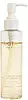 Key Ingredients
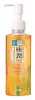
Benefits
Concerns
Ingredients Side-by-side
Paraffinum Liquidum
Emollient


Ethylhexyl Palmitate
Emollient



Vitis Vinifera Seed Oil
Emollient

Canola Oil
Emollient
Sorbeth-30 Tetraoleate
Emulsifying
Olea Europaea Fruit Oil
Masking
PEG-20 Glyceryl Triisostearate
Emollient
Phenoxyethanol
Preservative
Rosmarinus Officinalis Leaf Oil
Masking
Tocopherol
Antioxidant





Limnanthes Alba Seed Oil
Skin Conditioning
Squalane
Emollient
Caprylic/Capric Triglyceride
Masking
Water
Skin ConditioningGlycyrrhiza Uralensis Root Extract
Skin Conditioning
Glycerin
Humectant
Camellia Sinensis Extract
Antioxidant
Paraffinum Liquidum, Ethylhexyl Palmitate, Vitis Vinifera Seed Oil, Canola Oil, Sorbeth-30 Tetraoleate, Olea Europaea Fruit Oil, PEG-20 Glyceryl Triisostearate, Phenoxyethanol, Rosmarinus Officinalis Leaf Oil, Tocopherol, Limnanthes Alba Seed Oil, Squalane, Caprylic/Capric Triglyceride, Water, Glycyrrhiza Uralensis Root Extract, Glycerin, Camellia Sinensis Extract
Ethylhexyl Palmitate
Emollient
Triethylhexanoin
MaskingSorbeth-30 Tetraisostearate
Emulsifying
PEG-20 Glyceryl Triisostearate
Emollient
Olea Europaea Fruit Oil
Masking

Ethylhexyl Palmitate, Triethylhexanoin, Sorbeth-30 Tetraisostearate, PEG-20 Glyceryl Triisostearate, Olea Europaea Fruit Oil, Water, Sodium Acetylated Hyaluronate, Hydroxypropyltrimonium Hyaluronate, Simmondsia Chinensis Seed Oil, Ceresin, Dextrin Palmitate/Ethylhexanoate, Iodopropynyl Butylcarbamate, BHT
Reviews
Ingredients Explained
These ingredients are found in both products.
Ingredients higher up in an ingredient list are typically present in a larger amount.
Ethylhexyl Palmitate, also known as octyl palmitate, is created from 2-ethylhexyl alcohol and palmitic acid.
In cosmetics, it plays many roles:
One thing worth noting: a controlled study found this ingredient applied under occlusion to acne-prone subjects increased microcomedones. Just keep in mind this was under occlusive conditions and don't reflect how most products are used day-to-day.
For most people, this is a well-tolerated and lightweight ingredient.
This ingredient may not be fungal acne safe because it is an ester of palmitic acid, a C16 fatty acid that falls within the C11-24 range that Malassezia can metabolize.
You'll see this one rated 4 comedogenic all over the internet. That number isn't from a single study, and the actual research is more interesting.
The original rating comes from 1980s rabbit ear tests (which are a shaky basis for anything). But Ethylhexyl Palmitate is one of the few ingredients with real human data behind it. A 2021 controlled trial found this ingredient increased microcomedones by an average of 365% over four weeks.
Just know that test used the pure ingredient under an occlusive pad on back skin; most products use it at much lower levels alongside other ingredients and plenty of people use those with no issue.
Learn more about Ethylhexyl PalmitateThis ingredient is also known as olive oil. It has been used in skincare for centuries and science largely backs up its reputation as a nourishing emollient.
The main components of olive oil are oleic acid (55-83%), linoleic acid (3.5-20%), and palmitic acid (7-20%). Oleic acid promotes skin regeneration and helps regulate inflammatory responses.
Squalene is also naturally present in olive oil and exhibits moisturizing and antioxidant properties.
The polyphenols in olive oil also show anti-aging promise; one clinical study found a measurable improvement in skin appearance after 30 days of topical serum use.
Just be aware that applying olive oil directly to skin can weaken the barrier and cause redness. One study with volunteers found even people without sensitive skin experienced a significant reduction in stratum corneum integrity and induced mild erythema.
It's best to use this ingredient as part of a carefully crafted formula (instead of putting it on skin directly from the bottle).
Because it has a 0-2 on the comedogenic scale, it is low risk for acne-prone skin. Just remember the overall formulation of a product matters more than a few ingredients with comedogenic ratings.
This ingredient may not be fungal acne safe because of the oleic and palmitic acid content. These fall within the C11-24 fatty acid range that the Malassezia yeast can metabolize to grow.
Overall, olive oil is a well-studied and nourishing skincare ingredient.
Learn more about Olea Europaea Fruit OilPEG-20 Glyceryl Triisostearate is a synthetic, oil-loving helper ingredient that does two jobs:
This ingredient is made by joining three building blocks: PEG, Isostearic Acid and glycerin. The PEG gives it the oil-and-water blending power.
This ingredient has been found safe for use in cosmetics and broader PEG family testing shows minimal irritation/sensitization. The molecule's large size also means it isn't expected to penetrate skin to any meaningful degree.
Fungal acne note: This ingredient may not be fungal acne safe due to isostearic acid (C18). Isostearic acid falls into the C11-24 range that Malassezia can feed on.
Learn more about PEG-20 Glyceryl TriisostearateWater. It's the most common cosmetic ingredient of all. You'll usually see it at the top of ingredient lists, meaning that it makes up the largest part of the product.
So why is it so popular? Water most often acts as a solvent - this means that it helps dissolve other ingredients into the formulation.
You'll also recognize water as that liquid we all need to stay alive. If you see this, drink a glass of water. Remember to stay hydrated!
Learn more about Water

