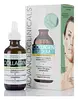
This anti-aging serum is formulated around Squalane to soften the look of wrinkles and hydrate skin.
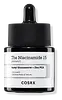
This oil-control serum is formulated around Niacinamide and Acetyl Glucosamine to balance excess oil and refine the look of pores.


What's inside
What's inside
 Key Ingredients
Benefits
Concerns
No concerns
Ingredients Side-by-side
Water
Skin ConditioningIsopropyl Myristate
Emollient





Ethylhexyl Olivate
Skin Conditioning
Glycerin
Humectant


Pyrus Malus Fruit Extract
Skin Conditioning
Cetearyl Alcohol
Emollient

Aloe Barbadensis Leaf Juice
Skin Conditioning

Hydrolyzed Soybean Fiber
Skin ProtectingCyamopsis Tetragonoloba Gum
Emulsion StabilisingSqualane
Emollient
Soluble Collagen
Humectant
Chlorella Vulgaris Extract
Skin ConditioningOryza Sativa Bran Extract
Skin Conditioning
Rosmarinus Officinalis Leaf Extract
AntimicrobialHelianthus Annuus Extract
Emollient
Tocopherol
Antioxidant



Avena Sativa Bran Extract
Abrasive
Citrus Aurantium Dulcis Peel Extract
Emulsion Stabilising
Tetrasodium Glutamate Diacetate
ChelatingAmmonium Acryloyldimethyltaurate/Vp Copolymer
Maltodextrin
Absorbent
Phenoxyethanol
Preservative
Parfum
Masking
Caprylyl Glycol
Emollient
Ethylhexylglycerin
Skin ConditioningHexylene Glycol
EmulsifyingHydroxyisohexyl 3-Cyclohexene Carboxaldehyde
Masking
Linalool
Perfuming
Hydroxycitronellal
Perfuming
Water, Isopropyl Myristate, Ethylhexyl Olivate, Glycerin, Pyrus Malus Fruit Extract, Cetearyl Alcohol, Aloe Barbadensis Leaf Juice, Hydrolyzed Soybean Fiber, Cyamopsis Tetragonoloba Gum, Squalane, Soluble Collagen, Chlorella Vulgaris Extract, Oryza Sativa Bran Extract, Rosmarinus Officinalis Leaf Extract, Helianthus Annuus Extract, Tocopherol, Avena Sativa Bran Extract, Citrus Aurantium Dulcis Peel Extract, Tetrasodium Glutamate Diacetate, Ammonium Acryloyldimethyltaurate/Vp Copolymer, Maltodextrin, Phenoxyethanol, Parfum, Caprylyl Glycol, Ethylhexylglycerin, Hexylene Glycol, Hydroxyisohexyl 3-Cyclohexene Carboxaldehyde, Linalool, Hydroxycitronellal







Reviews
Ingredients Explained
These ingredients are found in both products.
Ingredients higher up in an ingredient list are typically present in a larger amount.
Ethylhexylglycerin is created from glycerin. It is a multitasker ingredient that:
The CIR Expert Panel found minimal skin absorption or sensitization of any kind in a safety assessment. Though this ingredient is considered well-tolerated, a small number of cases of allergic dermatitis have been published since 2002. Just be sure to patch test if you are unsure.
Industry-reported use ranges from 8% in rinse-off products and 2% in leave-on formulations.
Learn more about EthylhexylglycerinTocopherol is a fat-soluble antioxidant known as Vitamin E.
You'll find this ingredient in the vast majority of skincare (for good reason). It works to neutralize free radicals, or unstable molecules generated by UV exposure, pollution, and other environmental stressors, before they can cause oxidative damage to your skin cells.
Topically applied tocopherol has been shown to protect against UV damage by ramping up the skin's own natural defense enzymes.
It also acts as a skin conditioning agent; some studies show that regular topical use can improve the skin's water-binding capacity over 2-4 weeks.
This ingredient is especially loved for being a team player. When combined with Vitamin C, the photoprotective effect of both ingredients roughly doubles and the combo also helps reduce UV-induced DNA damage.
This ingredient has some brightening potential but it's more of a prevention ingredient than spot-fader. Cell studies show it can slow down melanin production but it's worth noting that it's not the most powerful brightener out there.
In formulations, it also serves as a stabilizer that helps protect other oxidation-prone ingredients from degrading.
Concentrations usually range from 0.1-1% in most leave-on products.
Learn more about TocopherolWater. It's the most common cosmetic ingredient of all. You'll usually see it at the top of ingredient lists, meaning that it makes up the largest part of the product.
So why is it so popular? Water most often acts as a solvent - this means that it helps dissolve other ingredients into the formulation.
You'll also recognize water as that liquid we all need to stay alive. If you see this, drink a glass of water. Remember to stay hydrated!
Learn more about Water

