
What's inside
What's inside
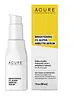 Key Ingredients
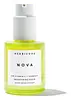
Benefits
Concerns
Ingredients Side-by-side
Water
Skin ConditioningAlpha-Arbutin
Antioxidant




Aloe Barbadensis Leaf Juice
Skin Conditioning


Sodium Hyaluronate
Humectant


Sambucus Nigra Fruit Juice
AstringentGlycerin
Humectant
Sclerotium Gum
Emulsion StabilisingXanthan Gum
EmulsifyingSodium Levulinate
Skin ConditioningPolyglutamic Acid
Skin Conditioning
Hydroxyethylcellulose
Emulsion StabilisingPropanediol
Solvent
Sodium Phytate
Ethylhexylglycerin
Skin ConditioningSodium Anisate
AntimicrobialCitric Acid
Buffering

Water
Skin ConditioningTetrahexyldecyl Ascorbate
Antioxidant


Glycerin
Humectant
C9-12 Alkane
SolventSodium Stearoyl Glutamate
CleansingPropanediol
Solvent
Cetearyl Olivate

Sorbitan Olivate
Emulsifying
Arctostaphylos Uva-Ursi Leaf Extract
Skin Conditioning
Curcuma Longa Root Extract
Masking
Terminalia Chebula Fruit Extract
Skin ConditioningTerminalia Ferdinandiana Fruit Extract
Antioxidant
Hyaluronic Acid
Humectant
Polyglyceryl-6 Stearate
Emollient
Sclerotium Gum
Emulsion StabilisingPolyglyceryl-6 Polyricinoleate
Emulsifying
Sodium Levulinate
Skin ConditioningSodium Anisate
AntimicrobialMelia Azadirachta Flower Extract
Skin ConditioningCoco-Caprylate/Caprate
Emollient
Butylene Glycol
Humectant
Melia Azadirachta Leaf Extract
Skin ConditioningOcimum Sanctum Leaf Extract
Skin ConditioningSodium Phytate
Averrhoa Carambola Fruit Extract
Skin ConditioningPolyglyceryl-6 Behenate
Emulsion Stabilising
Ocimum Basilicum Flower/Leaf Extract
TonicTocopheryl Acetate
Antioxidant
Echinacea Purpurea Extract
MoisturisingAnanas Sativus Fruit Juice
Skin ConditioningCorallina Officinalis Extract
Skin Conditioning
Leuconostoc/Radish Root Ferment Filtrate
Antimicrobial
Citric Acid
Buffering
Water, Tetrahexyldecyl Ascorbate, Glycerin, C9-12 Alkane, Sodium Stearoyl Glutamate, Propanediol, Cetearyl Olivate, Sorbitan Olivate, Arctostaphylos Uva-Ursi Leaf Extract, Curcuma Longa Root Extract, Terminalia Chebula Fruit Extract, Terminalia Ferdinandiana Fruit Extract, Hyaluronic Acid, Polyglyceryl-6 Stearate, Sclerotium Gum, Polyglyceryl-6 Polyricinoleate, Sodium Levulinate, Sodium Anisate, Melia Azadirachta Flower Extract, Coco-Caprylate/Caprate, Butylene Glycol, Melia Azadirachta Leaf Extract, Ocimum Sanctum Leaf Extract, Sodium Phytate, Averrhoa Carambola Fruit Extract, Polyglyceryl-6 Behenate, Ocimum Basilicum Flower/Leaf Extract, Tocopheryl Acetate, Echinacea Purpurea Extract, Ananas Sativus Fruit Juice, Corallina Officinalis Extract, Leuconostoc/Radish Root Ferment Filtrate, Citric Acid
Reviews
Ingredients Explained
These ingredients are found in both products.
Ingredients higher up in an ingredient list are typically present in a larger amount.
Citric Acid is an alpha hydroxy acid (AHA) naturally found in citrus fruits like oranges, lemons, and limes.
Like other AHAs, citric acid can exfoliate skin by breaking down the bonds that hold dead skin cells together. This helps reveal smoother and brighter skin underneath.
However, this exfoliating effect only happens at high concentrations (20%) which can be hard to find in cosmetic products.
Due to this, citric acid is usually included in small amounts as a pH adjuster. This helps keep products slightly more acidic and compatible with skin's natural pH.
In skincare formulas, citric acid can:
While it can provide some skin benefits, research shows lactic acid and glycolic acid are generally more effective and less irritating exfoliants.
Most citric acid used in skincare today is made by fermenting sugars (usually from molasses). This synthetic version is identical to the natural citrus form but easier to stabilize and use in formulations.
Read more about some other popular AHA's here:
Learn more about Citric AcidGlycerin (or glycerol) is a compound naturally found in your skin. It's a powerhouse humectant that pulls water into the stratum corneum.
Topically, glycerin does several things at once:
Your skin makes glycerin on its own (mostly from sebaceous oil breakdown) and shuttles it to your outermost layer of skin, or your epidermis, via aquaporin-3.
Aquaporin-3 is a transporter that is essential for normal skin hydration, elasticity, and repair. Interestingly, mice lacking in AQP3 have dry and less elastic skin that can be fully corrected with glycerin.
This ingredient is non-irritating, plays well with almost every ingredient, and works across all skin types. Typical use is anywhere between 3-10% but can go up to 79% in some leave-on products.
Just know very high concentrations (>40%) can feel tacky in low humidity.
Glycerin is the name for this ingredient in American English. British English uses Glycerol/Glycerine.
Learn more about GlycerinPropanediol is an all-star ingredient. It softens, hydrates, and smooths the skin.
It’s often used to:
Propanediol is not likely to cause sensitivity and considered safe to use. It is derived from corn or petroleum with a clear color and no scent.
Learn more about PropanediolSclerotium Gum is a polysaccharide gum made by the fungus, Sclerotium rolfssii. It is similar to xanthan gum.
In cosmetics, Sclerotium Gum is used to thicken the texture and to help stabilize other ingredients.
As an emulsifier, Sclerotium Gum helps prevent ingredients from separating, such as water and oil.
Learn more about Sclerotium GumSodium Anisate comes from fennel. It is used as a preservative and to add flavoring.
Sodium Anisate has antimicrobial properties.
Sodium levulinate is the a sodium salt of Levulinic Acid. Oncedissolved in an aqueous solution, the two ingredients become identical. It is usually derived from renewable plant sources like corn starch or sugarcane.
In skincare, it mostly acts as a skin conditioning agent that keeps skin soft and hydrated. It also acts as a preservative booster by inhibiting the growth of mold, yeast, and bacteria.
It's often paired with Sodium Anisate as the two create a broad-spectrum preservative system that is popular in "natural" formulations.
This ingredient is water-soluble.
The CIR Expert Panel for Cosmetic Ingredient Safety has concluded this ingredient to be non-irritated and there are no restrictions for use in EU cosmetics. The FDA also allows this ingredient to be used as a food-grade flavoring agent.
Learn more about Sodium LevulinateSodium Phytate is the synthetic salt form of phytic acid. Phytic acid is an antioxidant and can be found in plant seeds.
Sodium Phytate is a chelating agent. Chelating agents help prevent metals from binding to water. This helps stabilize the ingredients and the product.
Water. It's the most common cosmetic ingredient of all. You'll usually see it at the top of ingredient lists, meaning that it makes up the largest part of the product.
So why is it so popular? Water most often acts as a solvent - this means that it helps dissolve other ingredients into the formulation.
You'll also recognize water as that liquid we all need to stay alive. If you see this, drink a glass of water. Remember to stay hydrated!
Learn more about Water
