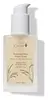
This brightening toner is formulated around Rice Ferment Filtrate and Glycyrrhiza Glabra Root Extract to fade the look of dark spots and brighten dull-looking skin.
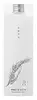
This hydrating toner is formulated around Oryza Sativa Extract and Salix Alba Bark Extract to hydrate skin and calm redness.


What's inside
What's inside
 Key Ingredients
No key ingredients
Benefits
Concerns
Ingredients Side-by-side
Morus Alba Root Water
Skin ConditioningGlycerin
Humectant


Hamamelis Virginiana Leaf Extract
Skin Conditioning

Lonicera Japonica Flower Extract
Skin ConditioningRice Ferment Filtrate
Skin Conditioning

Glycyrrhiza Glabra Root Extract
Bleaching


Citrus Limon Fruit Extract
Masking
Citrus Grandis Extract
AntimicrobialNiacinamide
Smoothing




Salix Alba Bark Extract
Astringent
Arctostaphylos Uva Ursi Leaf Extract
Skin Conditioning
Lentinus Edodes Extract
Skin ConditioningSodium Hyaluronate
Humectant
Sodium PCA
Humectant
Essential Oil Blend

Citrus Aurantium Bergamia Fruit Oil
Masking

Cedrus Atlantica Bark Oil
Masking
Vetiveria Zizanoides Root Oil
Masking
Citrus Sinensis Peel Oil Expressed
Perfuming
Salvia Officinalis Oil
Masking
Lavandula Angustifolia Oil
Masking
Morus Alba Root Water, Glycerin, Hamamelis Virginiana Leaf Extract, Lonicera Japonica Flower Extract, Rice Ferment Filtrate, Glycyrrhiza Glabra Root Extract, Citrus Limon Fruit Extract, Citrus Grandis Extract, Niacinamide, Salix Alba Bark Extract, Arctostaphylos Uva Ursi Leaf Extract, Lentinus Edodes Extract, Sodium Hyaluronate, Sodium PCA, Essential Oil Blend, Citrus Aurantium Bergamia Fruit Oil, Cedrus Atlantica Bark Oil, Vetiveria Zizanoides Root Oil, Citrus Sinensis Peel Oil Expressed, Salvia Officinalis Oil, Lavandula Angustifolia Oil
Water
Skin ConditioningOryza Sativa Extract
Absorbent
Glycerin
Humectant
Chamaecyparis Obtusa Leaf Extract
Skin ConditioningMelissa Officinalis Leaf Extract
Skin ConditioningRosa Rugosa Leaf Extract
HumectantBetaine
Humectant
Chrysanthemum Morifolium Flower Extract
Skin ConditioningSalix Alba Bark Extract
Astringent
Butylene Glycol
Humectant
1,2-Hexanediol
Skin Conditioning
Carbomer
Emulsion StabilisingArginine
Masking
Polyglyceryl-10 Laurate
Skin Conditioning

Polyglyceryl-10 Myristate
Skin Conditioning
Allantoin
Skin Conditioning
Ethylhexylglycerin
Skin ConditioningAdenosine
Skin Conditioning
Styrene/Vp Copolymer
Disodium EDTA
ChelatingWater, Oryza Sativa Extract, Glycerin, Chamaecyparis Obtusa Leaf Extract, Melissa Officinalis Leaf Extract, Rosa Rugosa Leaf Extract, Betaine, Chrysanthemum Morifolium Flower Extract, Salix Alba Bark Extract, Butylene Glycol, 1,2-Hexanediol, Carbomer, Arginine, Polyglyceryl-10 Laurate, Polyglyceryl-10 Myristate, Allantoin, Ethylhexylglycerin, Adenosine, Styrene/Vp Copolymer, Disodium EDTA
Reviews
Ingredients Explained
These ingredients are found in both products.
Ingredients higher up in an ingredient list are typically present in a larger amount.
Glycerin (or glycerol) is a compound naturally found in your skin. It's a powerhouse humectant that pulls water into the stratum corneum.
Topically, glycerin does several things at once:
Your skin makes glycerin on its own (mostly from sebaceous oil breakdown) and shuttles it to your outermost layer of skin, or your epidermis, via aquaporin-3.
Aquaporin-3 is a transporter that is essential for normal skin hydration, elasticity, and repair. Interestingly, mice lacking in AQP3 have dry and less elastic skin that can be fully corrected with glycerin.
This ingredient is non-irritating, plays well with almost every ingredient, and works across all skin types. Typical use is anywhere between 3-10% but can go up to 79% in some leave-on products.
Just know very high concentrations (>40%) can feel tacky in low humidity.
Glycerin is the name for this ingredient in American English. British English uses Glycerol/Glycerine.
Learn more about GlycerinSalix Alba Bark Extract comes from the bark of the white willow tree. The official CosIng listing states this ingredient to have astringent, skin conditioning, soothing, and tonic properties.
Its star compound is salicin, a natural glucoside that is chemically related to salicylic acid. That's why you'll often see it marketed as a "natural BHA alternative" but that's a bit of a stretch.
Your skin can't convert salicin to salicylic acid because it needs specific enzymes that aren't present on the skin's surface. It won't behave like true salicylic acid, especially at the concentrations used in cosmetics.
However, this ingredient has its own perks. It contains flavonoids, polyphenols, and tannins that give it proven antioxidant and soothing properties.
An 8-week clinical study found a cream with 2% of this extract improved skin microcirculation, elasticity, and dark circles. This is most likely due to its role in increasing hyaluronic acid synthesis in fibroblasts and improved vascular integrity.
Another study found a topical serum with 0.5% salicin showed improvements in visible signs of aging, hyperpigmentation, and texture.
Just be careful if you have a known aspirin/salicylate allergy and be sure to consult with a medical professional about using this ingredient if you do.
Fun fact: Willow Bark extract has been used for thousands of years and ancient civilizations used white willow to help treat pain and fevers.
Learn more about Salix Alba Bark Extract

