
What's inside
What's inside
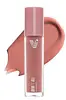 Key Ingredients
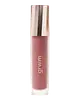
No key ingredients
Benefits
Concerns
Ingredients Side-by-side
Hydrogenated Polydecene
EmollientCetyl Ethylhexanoate
EmollientIsododecane
EmollientCyclopentasiloxane
Emollient
Trimethylsiloxysilicate
Emollient
Caprylic/Capric Triglyceride
Masking


Polyisobutene
Hydrogenated Styrene/Isoprene Copolymer
Silica Dimethyl Silylate
EmollientStearalkonium Bentonite
Gel FormingPropylene Carbonate
SolventMica
Cosmetic ColorantTitanium Dioxide
Cosmetic Colorant

Iron Oxides
CI 15850
Cosmetic ColorantPreservatives
Phenoxyethanol
Preservative
Ethylhexylglycerin
Skin ConditioningPolyhydroxystearic Acid
Emulsifying

Parfum
Masking



Hydrogenated Polydecene, Cetyl Ethylhexanoate, Isododecane, Cyclopentasiloxane, Trimethylsiloxysilicate, Caprylic/Capric Triglyceride, Polyisobutene, Hydrogenated Styrene/Isoprene Copolymer, Silica Dimethyl Silylate, Stearalkonium Bentonite, Propylene Carbonate, Mica, Titanium Dioxide, Iron Oxides, CI 15850, Preservatives, Phenoxyethanol, Ethylhexylglycerin, Polyhydroxystearic Acid, Parfum
Isononyl Isononanoate
EmollientDimethicone
Emollient
Silica Silylate
Emollient
Isododecane
EmollientCetyl Dimethicone
Emollient
Polymethylsilsesquioxane
Mica
Cosmetic ColorantSilica
Abrasive

Tribehenin
Emollient
Vinyl Dimethicone/Methicone Silsesquioxane Crosspolymer
Disteardimonium Hectorite
StabilisingPhenoxyethanol
Preservative
Propylene Carbonate
SolventCamellia Japonica Seed Oil
Emollient
Vitis Vinifera Seed Oil
Emollient
Panthenol
Skin Conditioning
Hexadecene
SolventParfum
Masking
Ethylhexylglycerin
Skin ConditioningCI 77891
Cosmetic ColorantCI 77491
Cosmetic ColorantCI 77492
Cosmetic ColorantCI 77499
Cosmetic ColorantCI 15850
Cosmetic ColorantCI 19140
Cosmetic ColorantCI 42090
Cosmetic ColorantCI 16035
Cosmetic ColorantIsononyl Isononanoate, Dimethicone, Silica Silylate, Isododecane, Cetyl Dimethicone, Polymethylsilsesquioxane, Mica, Silica, Tribehenin, Vinyl Dimethicone/Methicone Silsesquioxane Crosspolymer, Disteardimonium Hectorite, Phenoxyethanol, Propylene Carbonate, Camellia Japonica Seed Oil, Vitis Vinifera Seed Oil, Panthenol, Hexadecene, Parfum, Ethylhexylglycerin, CI 77891, CI 77491, CI 77492, CI 77499, CI 15850, CI 19140, CI 42090, CI 16035
Reviews
Ingredients Explained
These ingredients are found in both products.
Ingredients higher up in an ingredient list are typically present in a larger amount.
Ci 15850 is the pigment color red. It is an azo dye and created synthetically.
Azo dyes need to be thoroughly purified before use. This allows them to be more stable and longer-lasting.
This ingredient is common in foundations, lipsticks, and blushes. This color is described as brown/orangey red.
It has many secondary names such as Red 6 and Red 7. According to a manufacturer, Red 6 usually contains aluminum.
Learn more about CI 15850Ethylhexylglycerin is created from glycerin. It is a multitasker ingredient that:
The CIR Expert Panel found minimal skin absorption or sensitization of any kind in a safety assessment. Though this ingredient is considered well-tolerated, a small number of cases of allergic dermatitis have been published since 2002. Just be sure to patch test if you are unsure.
Industry-reported use ranges from 8% in rinse-off products and 2% in leave-on formulations.
Learn more about EthylhexylglycerinIsododecane is a fragrance, emollient, and solvent.
As an emollient, it helps your skin stay soft and hydrated. Emollients help trap moisture into your skin.
Isododecane's role as a solvent makes it a great texture enhancer. It spreads smoothly on skin and does not leave a sticky feeling behind. Isododecane also helps prevent color transfer in makeup products.
Isododecane is not absorbed into skin.
The chemical name for this ingredient is 2,2,4,6,6-PENTAMETHYLHEPTANE.
Learn more about IsododecaneMica is a naturally occurring mineral used to add shimmer and color in cosmetics. It can also help improve the texture of a product or give it an opaque, white/silver color.
Serecite is the name for very fine but ragged grains of mica.
This ingredient is often coated with metal oxides like titanium dioxide. Trace amounts of heavy metals may be found in mica, but these metals are not harmful in our personal products.
Mica has been used since prehistoric times throughout the world. Ancient Egyptian, Indian, Greek, Roman, Aztec, and Chinese civilizations have used mica.
Learn more about MicaParfum is a catch-all term for an ingredient or more that is used to give a scent to products.
Also called "fragrance", this ingredient can be a blend of hundreds of chemicals or plant oils. This means every product with "fragrance" or "parfum" in the ingredients list is a different mixture.
For instance, Habanolide is a proprietary trade name for a specific aroma chemical. When used as a fragrance ingredient in cosmetics, most aroma chemicals fall under the broad labeling category of “FRAGRANCE” or “PARFUM” according to EU and US regulations.
The term 'parfum' or 'fragrance' is not regulated in many countries. In many cases, it is up to the brand to define this term.
For instance, many brands choose to label themselves as "fragrance-free" because they are not using synthetic fragrances. However, their products may still contain ingredients such as essential oils that are considered a fragrance by INCI standards.
One example is Calendula flower extract. Calendula is an essential oil that still imparts a scent or 'fragrance'.
Depending on the blend, the ingredients in the mixture can cause allergies and sensitivities on the skin. Some ingredients that are known EU allergens include linalool and citronellol.
Parfum can also be used to mask or cover an unpleasant scent.
The bottom line is: not all fragrances/parfum/ingredients are created equally. If you are worried about fragrances, we recommend taking a closer look at an ingredient. And of course, we always recommend speaking with a professional.
Learn more about ParfumPhenoxyethanol is one of the most widely used preservatives in skincare (and for good reason!).
It has a large spectrum of antimicrobial activity and especially effective bacteria, yeast, and mold while only having a weak effect on your skin's natural microbiome.
On a cellular level, it disrupts the cell membranes of microbes by poking holes that make the cell leak. This shuts down the chemical reactions the microbe needs to make energy so it can no longer survive.
Another perk of this ingredient is that it stays functional across a wide pH range (3-10).
You'll often see it paired with boosters like Ethylhexylglycerin; one study showed that a 1:9 ratio of Ethylhexylglycerin to Phenoxyethanol damages bacterial membranes as effectively as doubling the Phenoxyethanol concentration on its own.
Typical use concentrations range from 0.3-1% depending on the formula, and this ingredient is capped at 1% int the EU.
Safety-wise, the fear mongering does not hold up to the evidence. The EU's Scientific Committee on Consumer Safety and FDA consider it safe as a preservative at up to 1%, including for children of all ages.
Adverse systemic effects only showed up in animal studies at exposures roughly 200x higher than what people get from cosmetics. And despite its very widespread use, this ingredient is a rare sensitizer and allergic reactions are uncommon.
Learn more about PhenoxyethanolThis ingredient is a solvent. It helps dissolve active ingredients and alter the texture of products.
Propylene Carbonate is commonly used in makeup and with clay, such as montmorillonite or bentonite.
Studies show this ingredient to be safe for cosmetics. When it is undiluted, it can cause skin irritation. (It is always diluted in skincare and makeup). This ingredient is water-soluble.
Propylene Carbonate is created from propylene glycol and carbonic acid.
Learn more about Propylene Carbonate

