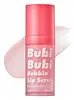
This smoothing lip mask is formulated around Cellulose and Gluconolactone to refine skin texture and brighten dull-looking skin.
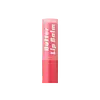
This lip moisturizer is formulated around Helianthus Annuus Seed Oil and Prunus Amygdalus Dulcis Oil to hydrate lips.

What's inside
What's inside
 Key Ingredients
Benefits
Concerns
Ingredients Side-by-side
Water
Skin ConditioningCellulose
Absorbent
Dipropylene Glycol
HumectantLauryl Hydroxysultaine
CleansingSodium Cocoyl Alaninate
Surfactant
Methyl Perfluorobutyl Ether
SolventMethyl Perfluoroisobutyl Ether
SolventAcrylates/C10-30 Alkyl Acrylate Crosspolymer
Emulsion StabilisingGlycerin
Humectant


Quillaja Saponaria Bark Extract
CleansingPseudoalteromonas Ferment Extract
Humectant


Butylene Glycol
Humectant
1,2-Hexanediol
Skin Conditioning
Coco-Glucoside
Cleansing
Gluconolactone
Chelating





Lactobionic Acid
Buffering
Sodium Cocoyl Isethionate
Cleansing
Citric Acid
Buffering
Caprylyl Glycol
Emollient
Ethylhexylglycerin
Skin ConditioningCyanocobalamin
Skin ConditioningAlanine
Masking
Proline
Skin Conditioning
Serine
Masking
Sodium Phosphate
BufferingSodium Hydroxide
BufferingXanthan Gum
EmulsifyingParfum
Masking



Water, Cellulose, Dipropylene Glycol, Lauryl Hydroxysultaine, Sodium Cocoyl Alaninate, Methyl Perfluorobutyl Ether, Methyl Perfluoroisobutyl Ether, Acrylates/C10-30 Alkyl Acrylate Crosspolymer, Glycerin, Quillaja Saponaria Bark Extract, Pseudoalteromonas Ferment Extract, Butylene Glycol, 1,2-Hexanediol, Coco-Glucoside, Gluconolactone, Lactobionic Acid, Sodium Cocoyl Isethionate, Citric Acid, Caprylyl Glycol, Ethylhexylglycerin, Cyanocobalamin, Alanine, Proline, Serine, Sodium Phosphate, Sodium Hydroxide, Xanthan Gum, Parfum
Bis-Diglyceryl Polyacyladipate-2
Emollient
Helianthus Annuus Seed Oil
Emollient
Prunus Amygdalus Dulcis Oil
Skin Conditioning
Ricinus Communis Seed Oil
Masking
Euphorbia Cerifera Wax
Theobroma Grandiflorum Seed Butter
Skin Conditioning
Hydrogenated Vegetable Oil
Emollient
Phytosteryl/Isostearyl/Cetyl/Stearyl/Behenyl Dimer Dilinoleate
Skin Conditioning
Synthetic Wax
Abrasive

Copernicia Cerifera Wax
Sodium Hyaluronate
Humectant
Pseudoalteromonas Ferment Extract
Humectant
Acetylated Sucrose Distearate
EmollientPolyethylene
Abrasive
Caprylyl Glycol
Emollient
Glyceryl Caprylate
EmollientTocopherol
Antioxidant


Water
Skin ConditioningGlycerin
Humectant
Ethylhexylglycerin
Skin ConditioningAlanine
Masking
Proline
Skin Conditioning
Serine
Masking
Sodium Phosphate
BufferingSodium Hydroxide
BufferingXanthan Gum
EmulsifyingBis-Diglyceryl Polyacyladipate-2, Helianthus Annuus Seed Oil, Prunus Amygdalus Dulcis Oil, Ricinus Communis Seed Oil, Euphorbia Cerifera Wax, Theobroma Grandiflorum Seed Butter, Hydrogenated Vegetable Oil, Phytosteryl/Isostearyl/Cetyl/Stearyl/Behenyl Dimer Dilinoleate, Synthetic Wax, Copernicia Cerifera Wax, Sodium Hyaluronate, Pseudoalteromonas Ferment Extract, Acetylated Sucrose Distearate, Polyethylene, Caprylyl Glycol, Glyceryl Caprylate, Tocopherol, Water, Glycerin, Ethylhexylglycerin, Alanine, Proline, Serine, Sodium Phosphate, Sodium Hydroxide, Xanthan Gum
Reviews
Ingredients Explained
These ingredients are found in both products.
Ingredients higher up in an ingredient list are typically present in a larger amount.
Alanine is an amino acid and is already found in the human body. Our skin uses alanine to build collagen, elastin, and keratin.
Caprylyl Glycol is a humectant, skin conditioner, emollient, and preservative booster derived from either caprylic acid or synthetically created.
Typical use levels vary from 0.3-1% as a preservative booster and go up to 2% to condition skin.
Because it is not a free-fatty acid, this ingredient is fungal acne safe (there's nothing for Malassezia to feed on).
Learn more about Caprylyl GlycolEthylhexylglycerin is created from glycerin. It is a multitasker ingredient that:
The CIR Expert Panel found minimal skin absorption or sensitization of any kind in a safety assessment. Though this ingredient is considered well-tolerated, a small number of cases of allergic dermatitis have been published since 2002. Just be sure to patch test if you are unsure.
Industry-reported use ranges from 8% in rinse-off products and 2% in leave-on formulations.
Learn more about EthylhexylglycerinGlycerin (or glycerol) is a compound naturally found in your skin. It's a powerhouse humectant that pulls water into the stratum corneum.
Topically, glycerin does several things at once:
Your skin makes glycerin on its own (mostly from sebaceous oil breakdown) and shuttles it to your outermost layer of skin, or your epidermis, via aquaporin-3.
Aquaporin-3 is a transporter that is essential for normal skin hydration, elasticity, and repair. Interestingly, mice lacking in AQP3 have dry and less elastic skin that can be fully corrected with glycerin.
This ingredient is non-irritating, plays well with almost every ingredient, and works across all skin types. Typical use is anywhere between 3-10% but can go up to 79% in some leave-on products.
Just know very high concentrations (>40%) can feel tacky in low humidity.
Glycerin is the name for this ingredient in American English. British English uses Glycerol/Glycerine.
Learn more about GlycerinProline is a non-essential amino acid, meaning your body can make it on its own. In skincare, it is a skin conditioning ingredient that keeps skin soft and hydrated.
It makes up about 23% of the collagen molecule (collagen is the protein responsible for keeping your skin firm) and is involved in your skin's natural hyaluronic acid production. When applied topically, proline can penetrate the skin fairly well due to its small molecular size.
Reviews of this ingredient have found it to be neither a dermal irritant nor a sensitizer.
Fun fact: Proline can be found in protein-rich foods like meat, fish, eggs, and dairy.
Learn more about ProlinePseudoalteromonas Ferment Extract is derived from marine bacteria found in Antarctic ocean. It has humectant and skin soothing properties.
You’ll most often find this ingredient listed under the trade names Antarcticine or Arctalis.
According to a manufacturer, these ingredients encourage skin regeneration and smoothness by stimulating collagen and elastin production. A manufacturer study found creams containing 1–5% Antarcticine increased skin hydration and reduced wrinkle depth around the eyes.
The manufacturer also claims this extract can help regulate oily skin by reducing sebum production, shine, and minimizing pore size.
Some people have reported that ferments may trigger Malassezia folliculitis. For this reason, we list it as not fungal-acne safe, though individual reactions can vary.
Learn more about Pseudoalteromonas Ferment ExtractSerine is a non-essential amino acid (your body makes it on its own!). It is a major player in your skin's natural moisturizing factor (NMF), or the water-loving molecules in your outermost layer of skin (stratum corneum) that keeps everything hydrated and happy.
Serine is one of your NMF's most abundant components that works as a skin-identical humectant. Its hydroxyl group grabs onto water molecules to boost hydration without any heaviness or occlusion.
Research on a hydrogel with serine confirmed this serine got delivered to your stratum corneum and demonstrated enhanced skin moisturization.
Interestingly serine also helps your skin produce filaggrin, a protein that keeps your skin barrier strong and used to create collagen.
Learn more about SerineSodium Hydroxide is also known as lye or caustic soda. It is used to adjust the pH of products; many ingredients require a specific pH to be effective.
In small amounts, sodium hydroxide is considered safe to use. However, large amounts may cause chemical burns due to its high alkaline.
Your skin has a natural pH and acid mantle. This acid mantle helps prevent harmful bacteria from breaking through. The acid mantle also helps keep your skin hydrated.
"Alkaline" refers to a high pH level. A low pH level would be considered acidic.
Learn more about Sodium HydroxideSodium Phosphate is is behind-the-scenes formulation helper. Its main job is buffering, or locking in the product's pH.
This helps ensure the formula stays at its intended acidity through manufacturing, shipping, and sitting on your shelf. Many active ingredients like vitamin C or retinoids are pH sensitive so maintaining their happy pH range matters.
It is synthetic and reported use concentrations are very low (up to 0.086% in face powders).
Learn more about Sodium PhosphateWater. It's the most common cosmetic ingredient of all. You'll usually see it at the top of ingredient lists, meaning that it makes up the largest part of the product.
So why is it so popular? Water most often acts as a solvent - this means that it helps dissolve other ingredients into the formulation.
You'll also recognize water as that liquid we all need to stay alive. If you see this, drink a glass of water. Remember to stay hydrated!
Learn more about WaterXanthan gum is used as a stabilizer and thickener within cosmetic products. It helps give products a sticky, thick feeling - preventing them from being too runny.
On the technical side of things, xanthan gum is a polysaccharide - a combination consisting of multiple sugar molecules bonded together.
Xanthan gum is a pretty common and great ingredient. It is a natural, non-toxic, non-irritating ingredient that is also commonly used in food products.
Learn more about Xanthan Gum

