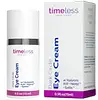
This brightening eye moisturizer is formulated around Palmitoyl Tetrapeptide-7 to fade the look of dark spots and soften the look of wrinkles.
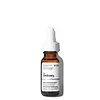
This anti-aging eye moisturizer is formulated around Niacinamide and Palmitoyl Tripeptide-38 to soften the look of wrinkles and fade the look of dark spots.


What's inside
What's inside
 Key Ingredients
Benefits
Concerns
Ingredients Side-by-side
Water
Skin ConditioningEmu Oil
Skin Conditioning


Algae Extract
Emollient

Pullulan
Butylene Glycol
Humectant

Carbomer
Emulsion StabilisingPolysorbate 20
Emulsifying
Palmitoyl Oligopeptide
Cleansing

Palmitoyl Tetrapeptide-7
Skin Conditioning

Rosa Rubiginosa Seed Oil
Emollient
N-Hydroxysuccinimide
Skin ConditioningChrysin
Skin ConditioningPalmitoyl Tripeptide-1
Skin Conditioning
Hesperidin Methyl Chalcone
Antioxidant

Steareth-20
CleansingDipeptide-2
Skin Conditioning
Sodium Acrylate/Sodium Acryloyldimethyl Taurate Copolymer
Emulsion StabilisingIsohexadecane
EmollientPolysorbate 80
Emulsifying
Glycerin
Humectant
Citrullus Lanatus Fruit Extract
Skin Conditioning
Sodium Hyaluronate
Humectant
Benzyl Alcohol
Perfuming





Dehydroacetic Acid
Preservative
Water, Emu Oil, Algae Extract, Pullulan, Butylene Glycol, Carbomer, Polysorbate 20, Palmitoyl Oligopeptide, Palmitoyl Tetrapeptide-7, Rosa Rubiginosa Seed Oil, N-Hydroxysuccinimide, Chrysin, Palmitoyl Tripeptide-1, Hesperidin Methyl Chalcone, Steareth-20, Dipeptide-2, Sodium Acrylate/Sodium Acryloyldimethyl Taurate Copolymer, Isohexadecane, Polysorbate 80, Glycerin, Citrullus Lanatus Fruit Extract, Sodium Hyaluronate, Benzyl Alcohol, Dehydroacetic Acid
Water
Skin ConditioningGlycerin
Humectant
Butylene Glycol
Humectant
Propanediol
Solvent
Dipropylene Glycol
HumectantAcetyl Glucosamine
Skin Conditioning

Niacinamide
Smoothing



Palmitoyl Tripeptide-38
Skin Conditioning
Acetyl Tetrapeptide-5
Humectant
Myristoyl Nonapeptide-3
Skin Conditioning
Dipeptide Diaminobutyroyl Benzylamide Diacetate
Skin Conditioning
Caffeine
Skin Conditioning
Epigallocatechin Gallatyl Glucoside
Antioxidant
Gallyl Glucoside
Antioxidant
Fraxinus Excelsior Bark Extract
Skin ConditioningSilanetriol
Arginine
Masking
Pentylene Glycol
Skin Conditioning
Hydroxymethoxyphenyl Decanone
Skin ConditioningPropyl Gallate
Antioxidant
Maltodextrin
Absorbent
Hydroxypropyl Cyclodextrin
MaskingHydroxyethylcellulose
Emulsion StabilisingXanthan Gum
EmulsifyingCitric Acid
Buffering
Glycolic Acid
Buffering
Sodium Citrate
BufferingPolysorbate 20
Emulsifying
Trisodium Ethylenediamine Disuccinate
ChelatingDehydroacetic Acid
Preservative
Ethylhexylglycerin
Skin ConditioningBenzyl Alcohol
Perfuming
Phenoxyethanol
Preservative
Chlorphenesin
Antimicrobial
Water, Glycerin, Butylene Glycol, Propanediol, Dipropylene Glycol, Acetyl Glucosamine, Niacinamide, Palmitoyl Tripeptide-38, Acetyl Tetrapeptide-5, Myristoyl Nonapeptide-3, Dipeptide Diaminobutyroyl Benzylamide Diacetate, Caffeine, Epigallocatechin Gallatyl Glucoside, Gallyl Glucoside, Fraxinus Excelsior Bark Extract, Silanetriol, Arginine, Pentylene Glycol, Hydroxymethoxyphenyl Decanone, Propyl Gallate, Maltodextrin, Hydroxypropyl Cyclodextrin, Hydroxyethylcellulose, Xanthan Gum, Citric Acid, Glycolic Acid, Sodium Citrate, Polysorbate 20, Trisodium Ethylenediamine Disuccinate, Dehydroacetic Acid, Ethylhexylglycerin, Benzyl Alcohol, Phenoxyethanol, Chlorphenesin
Reviews
Ingredients Explained
These ingredients are found in both products.
Ingredients higher up in an ingredient list are typically present in a larger amount.
Benzyl Alcohol is an aromatic alcohol with several roles: it's a preservative, solvent, and mild fragrance component with a floral scent.
This ingredient has been deemed safe for use in cosmetic formulations at concentrations up to 5%, and up to 10% in hair dyes. You'll typically see 0.5-2% in most rinse-off or leave-on products.
As a preservative, it works by disrupting the membrane of microbial proteins. This helps keep bacteria and fungi from growing in your products.
The sensitization picture is actually quite assuring as well:of nearly 71,000 patients patch tested with benzyl alcohol, only 0.21% showed a positive reaction with most of them being weakly positive.
This led researchers to conclude that benzyl alcohol cannot be regarded as a significant contact allergen.
It is worth noting this ingredient is classified as one of the EU's regulated fragrance allergens and restricted to 1% in finished products.
Labels must also declare it in concentrations above 0.001% in leave-on products and 0.01% in rinse-off products.
At concentrations around 5%, localized redness and itching can appear as a direct irritant response and not as a true allergic reaction.
Learn more about Benzyl AlcoholButylene Glycol (or BG) is used within cosmetic products for a few different reasons:
Overall, Butylene Glycol is a safe and well-rounded ingredient that works well with other ingredients.
Though this ingredient works well with most skin types, some people with sensitive skin may experience a reaction such as allergic rashes, closed comedones, or itchiness.
Learn more about Butylene GlycolDehydroacetic Acid is a synthetic preservative that keeps your products safe from microbes.
As an organic acid, it penetrates microbial cell walls and disrupts cellular metabolism. This makes it effective against bacteria, yeast, and mold.
It is effective at low concentrations (<0.6%). Clinical studies have found it to be non-irritating, non-sensitizing, and non-photosensitizing.
Learn more about Dehydroacetic AcidGlycerin (or glycerol) is a compound naturally found in your skin. It's a powerhouse humectant that pulls water into the stratum corneum.
Topically, glycerin does several things at once:
Your skin makes glycerin on its own (mostly from sebaceous oil breakdown) and shuttles it to your outermost layer of skin, or your epidermis, via aquaporin-3.
Aquaporin-3 is a transporter that is essential for normal skin hydration, elasticity, and repair. Interestingly, mice lacking in AQP3 have dry and less elastic skin that can be fully corrected with glycerin.
This ingredient is non-irritating, plays well with almost every ingredient, and works across all skin types. Typical use is anywhere between 3-10% but can go up to 79% in some leave-on products.
Just know very high concentrations (>40%) can feel tacky in low humidity.
Glycerin is the name for this ingredient in American English. British English uses Glycerol/Glycerine.
Learn more about GlycerinPolysorbate 20 is a gentle, water-soluble emulsifier and mild surfactant. It stops oil and water from separating to keep your formulas blended and stable.
It also acts as a mild penetration enhancer by helping active ingredients absorb slightly better.
The common safety discussion around this ingredient involves a manufacturing byproduct called 1,4-dioxane.
Trace amounts can form during production but the EU's Scientific Committee on Consumer Safety has concluded that levels at/below 10 ppm in finished products are safe (commercial products consistently fall within acceptable margins).
True allergic reactions are uncommon and the CIR Expert Panel has confirmed this ingredient to be safe as used in cosmetics.
Because it is derived from lauric acid, it may not be fungal acne safe.
Learn more about Polysorbate 20Water. It's the most common cosmetic ingredient of all. You'll usually see it at the top of ingredient lists, meaning that it makes up the largest part of the product.
So why is it so popular? Water most often acts as a solvent - this means that it helps dissolve other ingredients into the formulation.
You'll also recognize water as that liquid we all need to stay alive. If you see this, drink a glass of water. Remember to stay hydrated!
Learn more about Water

