

What's inside
What's inside
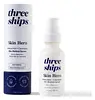 Key Ingredients
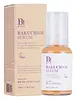
Benefits
Concerns
Ingredients Side-by-side
Water
Skin ConditioningGlycerin
Humectant


Behenyl Alcohol
Emollient
Bakuchiol
Antimicrobial








Dicaprylyl Ether
Emollient
Glyceryl Caprylate
EmollientRosa Canina Seed Oil
Emollient

Stearic Acid
Cleansing
Cetearyl Alcohol
Emollient

Calendula Officinalis Flower Extract
Masking
Tocopherol
Antioxidant
Pentylene Glycol
Skin Conditioning
Caprylhydroxamic Acid
Glyceryl Stearate
Emollient
Sodium Phytate
Xanthan Gum
EmulsifyingPolyglyceryl-3 Dicitrate/Stearate
Emulsifying
Sodium Hydroxide
BufferingCitrus Aurantium Amara Peel Oil
Skin Conditioning

Water, Glycerin, Behenyl Alcohol, Bakuchiol, Dicaprylyl Ether, Glyceryl Caprylate, Rosa Canina Seed Oil, Stearic Acid, Cetearyl Alcohol, Calendula Officinalis Flower Extract, Tocopherol, Pentylene Glycol, Caprylhydroxamic Acid, Glyceryl Stearate, Sodium Phytate, Xanthan Gum, Polyglyceryl-3 Dicitrate/Stearate, Sodium Hydroxide, Citrus Aurantium Amara Peel Oil
Water
Skin ConditioningGlycerin
Humectant
Caprylic/Capric Triglyceride
Masking
Bakuchiol
Antimicrobial
Niacinamide
Smoothing


1,2-Hexanediol
Skin Conditioning
Coco-Caprylate/Caprate
Emollient
Behenyl Alcohol
Emollient
Cetearyl Olivate
Sorbitan Olivate
Emulsifying
Psoralea Corylifolia Fruit Extract
Skin ConditioningCarbomer
Emulsion StabilisingArginine
Masking
Artemisia Vulgaris Oil
Perfuming
Xanthan Gum
EmulsifyingCitrus Aurantium Amara Flower Extract
RefreshingEthylhexylglycerin
Skin ConditioningAllantoin
Skin Conditioning
Adenosine
Skin Conditioning
Tocopherol
Antioxidant
Lavandula Angustifolia Oil
Masking
Litsea Cubeba Fruit Oil
Masking
Ribes Nigrum Leaf Extract
Perfuming
Water, Glycerin, Caprylic/Capric Triglyceride, Bakuchiol, Niacinamide, 1,2-Hexanediol, Coco-Caprylate/Caprate, Behenyl Alcohol, Cetearyl Olivate, Sorbitan Olivate, Psoralea Corylifolia Fruit Extract, Carbomer, Arginine, Artemisia Vulgaris Oil, Xanthan Gum, Citrus Aurantium Amara Flower Extract, Ethylhexylglycerin, Allantoin, Adenosine, Tocopherol, Lavandula Angustifolia Oil, Litsea Cubeba Fruit Oil, Ribes Nigrum Leaf Extract
Reviews
Ingredients Explained
These ingredients are found in both products.
Ingredients higher up in an ingredient list are typically present in a larger amount.
Bakuchiol is a plant-derived antioxidant from the seeds of the Psoralea corylifolia plant. It has antimicrobial, emollient, skin conditioning, and antioxidant properties.
You'll likely see it called a "retinol replacement" but the two are technically not related. This is because bakuchiol is able to flip many of the same switches in your skin cells to tell them to:
1) produce more collagen (type I, III, and IV)
2) activate the same genes retinoids do
Unlike retinoids, this ingredient will not increase photosensitivity and is safe to use during pregnancy (but please still check in with your doctor!).
The flagship clinical trial from Dhaliwal et al. 2019 found 0.5% bakuchiol (twice daily) and 0.5% retinol (once daily) reduced wrinkles and hyperpigmentation equally, but bakuchiol had significantly less irritation.
Systematic reviews also back this up:
Bakuchiol is comparable to retinol for photoaging but with better tolerability. It also has mild antibacterial properties against Cutibacterium acnes and antifungal activity in vitro against Candida and dermatophytes.
The reason bakuchiol works well is due to its structure; it is a meroterpene phenol, or a hybrid molecule. The phenol half acts as an antioxidant while the terpene half is fat-loving. This helps the molecule slip through the skin barrier.
This ingredient is usually used between 0.5-2%. Only one case of contact dermatitis has ever been reported for this ingredient.
Learn more about BakuchiolBehenyl Alcohol is a type of fatty alcohol (these are different from the drying, solvent alcohols).
Fatty Alcohols have hydrating properties and are most often used as an emollient or to thicken a product. They are usually derived from natural fats and oils; behenyl alcohol is derived from the fats of vegetable oils.
Emollients help keep your skin soft and hydrated by creating a film that traps moisture in.
In 2000, Behenyl Alcohol was approved by the US as medicine to reduce the duration of cold sores.
Learn more about Behenyl AlcoholGlycerin (or glycerol) is a compound naturally found in your skin. It's a powerhouse humectant that pulls water into the stratum corneum.
Topically, glycerin does several things at once:
Your skin makes glycerin on its own (mostly from sebaceous oil breakdown) and shuttles it to your outermost layer of skin, or your epidermis, via aquaporin-3.
Aquaporin-3 is a transporter that is essential for normal skin hydration, elasticity, and repair. Interestingly, mice lacking in AQP3 have dry and less elastic skin that can be fully corrected with glycerin.
This ingredient is non-irritating, plays well with almost every ingredient, and works across all skin types. Typical use is anywhere between 3-10% but can go up to 79% in some leave-on products.
Just know very high concentrations (>40%) can feel tacky in low humidity.
Glycerin is the name for this ingredient in American English. British English uses Glycerol/Glycerine.
Learn more about GlycerinTocopherol is a fat-soluble antioxidant known as Vitamin E.
You'll find this ingredient in the vast majority of skincare (for good reason). It works to neutralize free radicals, or unstable molecules generated by UV exposure, pollution, and other environmental stressors, before they can cause oxidative damage to your skin cells.
Topically applied tocopherol has been shown to protect against UV damage by ramping up the skin's own natural defense enzymes.
It also acts as a skin conditioning agent; some studies show that regular topical use can improve the skin's water-binding capacity over 2-4 weeks.
This ingredient is especially loved for being a team player. When combined with Vitamin C, the photoprotective effect of both ingredients roughly doubles and the combo also helps reduce UV-induced DNA damage.
This ingredient has some brightening potential but it's more of a prevention ingredient than spot-fader. Cell studies show it can slow down melanin production but it's worth noting that it's not the most powerful brightener out there.
In formulations, it also serves as a stabilizer that helps protect other oxidation-prone ingredients from degrading.
Concentrations usually range from 0.1-1% in most leave-on products.
Learn more about TocopherolWater. It's the most common cosmetic ingredient of all. You'll usually see it at the top of ingredient lists, meaning that it makes up the largest part of the product.
So why is it so popular? Water most often acts as a solvent - this means that it helps dissolve other ingredients into the formulation.
You'll also recognize water as that liquid we all need to stay alive. If you see this, drink a glass of water. Remember to stay hydrated!
Learn more about WaterXanthan gum is used as a stabilizer and thickener within cosmetic products. It helps give products a sticky, thick feeling - preventing them from being too runny.
On the technical side of things, xanthan gum is a polysaccharide - a combination consisting of multiple sugar molecules bonded together.
Xanthan gum is a pretty common and great ingredient. It is a natural, non-toxic, non-irritating ingredient that is also commonly used in food products.
Learn more about Xanthan Gum
