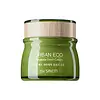
This calming moisturizer is formulated around Calendula Officinalis Flower Extract and Propolis Extract to calm redness.
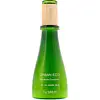
This hydrating emulsion is formulated around Portulaca Oleracea Extract to hydrate skin and calm redness.

What's inside
What's inside
 Key Ingredients
No key ingredients
Benefits
Concerns
Ingredients Side-by-side
Phormium Tenax Extract
Skin ConditioningGlycerin
Humectant


Dipropylene Glycol
Humectant1,2-Hexanediol
Skin Conditioning
Cyclopentasiloxane
Emollient
Dimethicone
Emollient
Butylene Glycol
Humectant
Carbomer
Emulsion StabilisingPEG-10 Dimethicone
Skin Conditioning
Polyglyceryl-10 Laurate
Skin Conditioning

Polyglyceryl-10 Myristate
Skin Conditioning
Potassium Hydroxide
BufferingHelianthus Annuus Seed Oil
Emollient
Dimethicone/Vinyl Dimethicone Crosspolymer
Skin Conditioning
Dimethiconol
Emollient
Disodium EDTA
ChelatingGlycine Soja Oil
Emollient




Honey
Humectant
Calendula Officinalis Flower Extract
Masking

Water
Skin ConditioningPortulaca Oleracea Extract
Skin Conditioning
Xylitylglucoside
Humectant
Bixa Orellana Seed Oil
Emollient
Anhydroxylitol
Humectant
Xylitol
Humectant
Tocopherol
Antioxidant



Propolis Extract
Skin Conditioning

Parfum
Masking

Phormium Tenax Extract, Glycerin, Dipropylene Glycol, 1,2-Hexanediol, Cyclopentasiloxane, Dimethicone, Butylene Glycol, Carbomer, PEG-10 Dimethicone, Polyglyceryl-10 Laurate, Polyglyceryl-10 Myristate, Potassium Hydroxide, Helianthus Annuus Seed Oil, Dimethicone/Vinyl Dimethicone Crosspolymer, Dimethiconol, Disodium EDTA, Glycine Soja Oil, Honey, Calendula Officinalis Flower Extract, Water, Portulaca Oleracea Extract, Xylitylglucoside, Bixa Orellana Seed Oil, Anhydroxylitol, Xylitol, Tocopherol, Propolis Extract, Parfum
Phormium Tenax Extract
Skin ConditioningButylene Glycol
Humectant
Glycerin
Humectant
Methyl Gluceth-10
EmulsifyingDimethicone
Emollient
Dimethiconol
Emollient
Glyceryl Acrylate/Acrylic Acid Copolymer
HumectantCetearyl Olivate
Sorbitan Olivate
Emulsifying
Cyclopentasiloxane
Emollient
Cyclohexasiloxane
Emollient
Polyacrylamide
C13-14 Isoparaffin
Emollient
Laureth-7
EmulsifyingPEG-60 Glyceryl Isostearate
Surfactant
Portulaca Oleracea Extract
Skin Conditioning
Acrylates/C10-30 Alkyl Acrylate Crosspolymer
Emulsion StabilisingPotassium Hydroxide
BufferingPhenoxyethanol
Preservative
Chlorphenesin
Antimicrobial
Parfum
Masking
Disodium EDTA
ChelatingHoney
Humectant
Calendula Officinalis Flower Water
Masking
Potassium Sorbate
Preservative
Sodium Benzoate
Masking
Citric Acid
Buffering
Echinacea Angustifolia Root Cell Culture Extract
Skin Conditioning1,2-Hexanediol
Skin Conditioning
Phormium Tenax Extract, Butylene Glycol, Glycerin, Methyl Gluceth-10, Dimethicone, Dimethiconol, Glyceryl Acrylate/Acrylic Acid Copolymer, Cetearyl Olivate, Sorbitan Olivate, Cyclopentasiloxane, Cyclohexasiloxane, Polyacrylamide, C13-14 Isoparaffin, Laureth-7, PEG-60 Glyceryl Isostearate, Portulaca Oleracea Extract, Acrylates/C10-30 Alkyl Acrylate Crosspolymer, Potassium Hydroxide, Phenoxyethanol, Chlorphenesin, Parfum, Disodium EDTA, Honey, Calendula Officinalis Flower Water, Potassium Sorbate, Sodium Benzoate, Citric Acid, Echinacea Angustifolia Root Cell Culture Extract, 1,2-Hexanediol
Ingredients Explained
These ingredients are found in both products.
Ingredients higher up in an ingredient list are typically present in a larger amount.
1,2-Hexanediol is a synthetic liquid and another multi-functional powerhouse.
It is a:
- Humectant, drawing moisture into the skin
- Emollient, helping to soften skin
- Solvent, dispersing and stabilizing formulas
- Preservative booster, enhancing the antimicrobial activity of other preservatives
Butylene Glycol (or BG) is used within cosmetic products for a few different reasons:
Overall, Butylene Glycol is a safe and well-rounded ingredient that works well with other ingredients.
Though this ingredient works well with most skin types, some people with sensitive skin may experience a reaction such as allergic rashes, closed comedones, or itchiness.
Learn more about Butylene GlycolCyclopentasiloxane (D5) is a lightweight silicone that mostly acts as an emollient and solvent in cosmetics. Its the reason your products feel silky, fast-spreading, and non-greasy.
Since D5 is volatile, it does its thing and then evaporates off the skin quickly.
The safety profile of this ingredient is reassuring; the US CIR Expert Panel concluded D5 is safe as used in cosmetics and Health Canada concluded that D5 is not harmful to human health or the environment as currently used in cosmetics
There's a study that people mention about D5 in a rat study showing tumors. This study is related to long-term inhalation of high D5 levels.
Regulatory bodies have judged this study to be not applicable in topical skincare since skin absorption of D5 is very low and we're not really inhaling huge amounts of D5.
The only restriction for this ingredient is environmental. The European Chemicals Agency (ECHA) restricted D5 in wash-off cosmetics at or above 0.1% due to their persistence in water.
Learn more about CyclopentasiloxaneDimethicone is a type of synthetic silicone created from natural materials such as quartz. It is also known as polydimethylsiloxane.
What it does:
Dimethicone comes in different viscosities:
Depending on the viscosity, dimethicone has different properties.
Ingredients lists don't always show which type is used, so we recommend reaching out to the brand if you have questions about the viscosity.
This ingredient is unlikely to cause irritation because it does not get absorbed into skin. However, people with silicone allergies should be careful about using this ingredient.
Note: Dimethicone may contribute to pilling. This is because it is not oil or water soluble, so pilling may occur when layered with products. When mixed with heavy oils in a formula, the outcome is also quite greasy.
Learn more about DimethiconeDimethiconol is a silicone that resembles the popular dimethicone. Like other silicones, it is an emollient. Emollients create a thin film on skin to prevent moisture from escaping.
This ingredient helps to create a silky texture and improve spreadability. Due to its high molecular weight and thickness, it is often combined with cyclopentasiloxane.
Disodium EDTA is a chelating agent. It grabs onto and deactivates metal ions that sneak into your products from water, packaging, or air.
This ingredient mainly works behind the scenes and helps with:
On top of that, this ingredient can counteract the effects of hard water by binding to the minerals in it.
One thing worth knowing is that Disodium EDTA has been shown to be a mild penetration enhancer. It can help other ingredients absorb into skin more effectively which can be a double-edged sword (great for actives, but can also make the active too strong if you have sensitive skin).
Clinical patch testing showed no significant skin irritation at typical use concentrations and minimal dermal absorption.
You'll most likely see this ingredient near the end of an ingredient list. It's typically found in concentrations less than 1%.
Learn more about Disodium EDTAGlycerin (or glycerol) is a compound naturally found in your skin. It's a powerhouse humectant that pulls water into the stratum corneum.
Topically, glycerin does several things at once:
Your skin makes glycerin on its own (mostly from sebaceous oil breakdown) and shuttles it to your outermost layer of skin, or your epidermis, via aquaporin-3.
Aquaporin-3 is a transporter that is essential for normal skin hydration, elasticity, and repair. Interestingly, mice lacking in AQP3 have dry and less elastic skin that can be fully corrected with glycerin.
This ingredient is non-irritating, plays well with almost every ingredient, and works across all skin types. Typical use is anywhere between 3-10% but can go up to 79% in some leave-on products.
Just know very high concentrations (>40%) can feel tacky in low humidity.
Glycerin is the name for this ingredient in American English. British English uses Glycerol/Glycerine.
Learn more about GlycerinHoney mostly shows up in skincare as a humectant and skin conditioning agent. This is because its natural sugars (fructose and glucose) help hold onto water so skin feels softer and more hydrated.
Beyond hydration, honey also has antibacterial and wound-supporting properties. Its antibacterial action comes from a mix of things:
Manuka-type honey has an extra bacteria-killing compound called methylglyoxal, while all Honey contains a natural antibacterial protein called bee defensin-1.
Honey also nudges your immune cells to release signals that start the healing process. This is why medical-grade Honey is actually used in real wound dressings.
Just keep in mind that most of the strong clinical evidence is for wound care and not everyday cosmetic claims.
On concentrations and safety:
According to industry data, honey is used up to 22% in paste/mud packs, 7% as a honey extract in body/hand products, and face skincare levels sit well below that.
A human repeat insult patch test of 7% honey extract in 112 subjects showed no sensitization.
Allergy-wise, honey itself is a rare sensitizer. The bigger culprit is usually propolis that sometimes tags along in less-refined honey.
People allergic to propolis, conifer, poplar, salicylates, or Balsam of Peru are advised to avoid this ingredient due to shared allergens.
You might see this ingredient listed as either Honey or Mel (they're the same thing). Mel is simply the Latin word for honey.
A lot of people wonder if Honey is vegan, and technically it isn't.
Honey is made by bees; they gather nectar and their natural enzymes turn it into the Honey we know. So because it comes from an animal, it doesn't fit a vegan lifestyle.
And please remember to be kind to bees :). They're vital to so many ecosystems, and many species are struggling so they're worth protecting.
Learn more about HoneyParfum is a catch-all term for an ingredient or more that is used to give a scent to products.
Also called "fragrance", this ingredient can be a blend of hundreds of chemicals or plant oils. This means every product with "fragrance" or "parfum" in the ingredients list is a different mixture.
For instance, Habanolide is a proprietary trade name for a specific aroma chemical. When used as a fragrance ingredient in cosmetics, most aroma chemicals fall under the broad labeling category of “FRAGRANCE” or “PARFUM” according to EU and US regulations.
The term 'parfum' or 'fragrance' is not regulated in many countries. In many cases, it is up to the brand to define this term.
For instance, many brands choose to label themselves as "fragrance-free" because they are not using synthetic fragrances. However, their products may still contain ingredients such as essential oils that are considered a fragrance by INCI standards.
One example is Calendula flower extract. Calendula is an essential oil that still imparts a scent or 'fragrance'.
Depending on the blend, the ingredients in the mixture can cause allergies and sensitivities on the skin. Some ingredients that are known EU allergens include linalool and citronellol.
Parfum can also be used to mask or cover an unpleasant scent.
The bottom line is: not all fragrances/parfum/ingredients are created equally. If you are worried about fragrances, we recommend taking a closer look at an ingredient. And of course, we always recommend speaking with a professional.
Learn more about ParfumWe don't have a description for Phormium Tenax Extract yet.
This extract comes from Purslane, a succulent. It has anti-inflammatory, antioxidant, and hydrating properties.
Purslane is very nutritious. It contains omega-3 fatty acids, NMFs, many vitamins, minerals, and antioxidants. The vitamins found in purslane include: Vitamin C, Vitamin A, and Vitamin E.
Fun fact: Purslane is a succulent with an extensive habitat. It is used in traditional Korean medicine to treat irritated skin.
Nowadays, purslane is becoming a superfood due to its highly nutritious content.
Learn more about Portulaca Oleracea ExtractPotassium Hydroxide (also known as potash) is a strong alkaline ingredient that does one job: it nudges a product's pH up so the whole formula lands in a skin-friendly range.
It's also the base that turns oils into liquid soap during the soap making process.
An expert safety panel reviewed it and found it safe when formulations are made to be non-irritating.
As a pH adjuster, it's typically used well under 1% though regulatory caps go much higher: 5% in nail cuticle removers and 2-4.5% in hair straighteners.
Though there is some concern for irritation from raw or high pH material, a well-balanced formula will be a non-issue for the vast majority of people.
Learn more about Potassium Hydroxide



