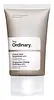
This calming serum is formulated around Azelaic Acid to calm redness and refine skin texture.
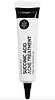
This acne treatment is formulated around Colloidal Sulfur and Salicylic Acid to clear breakouts and refine the look of pores.


What's inside
What's inside
 Key Ingredients
Benefits
Concerns
Ingredients Side-by-side
Water
Skin ConditioningIsodecyl Neopentanoate
EmollientDimethicone
Emollient

Azelaic Acid
Buffering








Dimethicone/Bis-Isobutyl PPG-20 Crosspolymer
Emollient
Dimethyl Isosorbide
SolventHydroxyethyl Acrylate/Sodium Acryloyldimethyl Taurate Copolymer
Emulsion StabilisingPolysilicone-11
Isohexadecane
EmollientTocopherol
Antioxidant




Trisodium Ethylenediamine Disuccinate
ChelatingIsoceteth-20
EmulsifyingPolysorbate 60
Emulsifying

Triethanolamine
BufferingEthoxydiglycol
HumectantPhenoxyethanol
Preservative
Chlorphenesin
Antimicrobial
Water, Isodecyl Neopentanoate, Dimethicone, Azelaic Acid, Dimethicone/Bis-Isobutyl PPG-20 Crosspolymer, Dimethyl Isosorbide, Hydroxyethyl Acrylate/Sodium Acryloyldimethyl Taurate Copolymer, Polysilicone-11, Isohexadecane, Tocopherol, Trisodium Ethylenediamine Disuccinate, Isoceteth-20, Polysorbate 60, Triethanolamine, Ethoxydiglycol, Phenoxyethanol, Chlorphenesin
Water
Skin ConditioningCaprylic/Capric Triglyceride
Masking
Glyceryl Stearate Se
Emulsifying


Stearic Acid
Cleansing
Cetearyl Alcohol
Emollient
Colloidal Sulfur
Antimicrobial

Glycerin
Humectant
Succinic Acid
BufferingHydroxyethyl Acrylate/Sodium Acryloyldimethyl Taurate Copolymer
Emulsion StabilisingSalicylic Acid
Masking
Phenoxyethanol
Preservative
Squalane
Emollient
Benzyl Alcohol
Perfuming



Sodium Hyaluronate
Humectant
Polysorbate 60
Emulsifying
Ethylhexylglycerin
Skin ConditioningSodium Hydroxide
BufferingDehydroacetic Acid
Preservative
Malachite Extract
Antioxidant
Sorbitan Isostearate
Emulsifying
Trisodium Ethylenediamine Disuccinate
ChelatingCI 75810
Cosmetic ColorantWater, Caprylic/Capric Triglyceride, Glyceryl Stearate Se, Stearic Acid, Cetearyl Alcohol, Colloidal Sulfur, Glycerin, Succinic Acid, Hydroxyethyl Acrylate/Sodium Acryloyldimethyl Taurate Copolymer, Salicylic Acid, Phenoxyethanol, Squalane, Benzyl Alcohol, Sodium Hyaluronate, Polysorbate 60, Ethylhexylglycerin, Sodium Hydroxide, Dehydroacetic Acid, Malachite Extract, Sorbitan Isostearate, Trisodium Ethylenediamine Disuccinate, CI 75810
Reviews
Ingredients Explained
These ingredients are found in both products.
Ingredients higher up in an ingredient list are typically present in a larger amount.
This is a synthetic polymer. It helps improve the texture of products by adding thickness and gel-like feel.
It is also an emulsifer, meaning it prevents ingredients such as oil and water from separating. It also helps evenly disperse other ingredients.
Phenoxyethanol is one of the most widely used preservatives in skincare (and for good reason!).
It has a large spectrum of antimicrobial activity and especially effective bacteria, yeast, and mold while only having a weak effect on your skin's natural microbiome.
On a cellular level, it disrupts the cell membranes of microbes by poking holes that make the cell leak. This shuts down the chemical reactions the microbe needs to make energy so it can no longer survive.
Another perk of this ingredient is that it stays functional across a wide pH range (3-10).
You'll often see it paired with boosters like Ethylhexylglycerin; one study showed that a 1:9 ratio of Ethylhexylglycerin to Phenoxyethanol damages bacterial membranes as effectively as doubling the Phenoxyethanol concentration on its own.
Typical use concentrations range from 0.3-1% depending on the formula, and this ingredient is capped at 1% int the EU.
Safety-wise, the fear mongering does not hold up to the evidence. The EU's Scientific Committee on Consumer Safety and FDA consider it safe as a preservative at up to 1%, including for children of all ages.
Adverse systemic effects only showed up in animal studies at exposures roughly 200x higher than what people get from cosmetics. And despite its very widespread use, this ingredient is a rare sensitizer and allergic reactions are uncommon.
Learn more about PhenoxyethanolPolysorbate 60 is used to help stabilize products. It is a surfactant and emulsifier. These properties help keep ingredients together in a product. Surfactants help reduce surface tension between ingredients with different states, such as liquids and solids. Emulsifiers help prevent oils and waters from separating.
Polysorbate 60 is sorbitol-based and created from the ethoxylation of sorbitan. Ethoxylation is a chemical reaction used to add ethylene oxide. Sorbitan is a the dehydrated version of sorbitol, a sugar found in fruits.
In this case, the 60 comes from reacting 60 units of ethylene oxide with sorbitan.
Polysorbates are commonly used in medicine and foods.
Learn more about Polysorbate 60Trisodium Ethylenediamine Disuccinate is used to help stabilize a product.
It is a chelating agent, meaning it helps prevent metal ions from binding to other ingredients. This prevents unwanted reactions in products. Metal ions can come into a product via the water ingredient. They are found in trace amounts and are not known to be harmful.
Water. It's the most common cosmetic ingredient of all. You'll usually see it at the top of ingredient lists, meaning that it makes up the largest part of the product.
So why is it so popular? Water most often acts as a solvent - this means that it helps dissolve other ingredients into the formulation.
You'll also recognize water as that liquid we all need to stay alive. If you see this, drink a glass of water. Remember to stay hydrated!
Learn more about Water

