The Derma Co 5% Nia-Ceramide Mattifying Moisturizer Versus Bake Oil Free Ceramide Barrier Repair Moisturizer
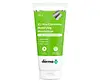
This oil-control moisturizer is formulated around Niacinamide and Ceramide NP to balance excess oil and strengthen the skin barrier.
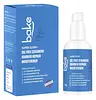
This barrier-repair moisturizer is formulated around Aloe Barbadensis Leaf Juice and Ascorbic Acid to strengthen the skin barrier and fade the look of dark spots.

What's inside
What's inside
 Key Ingredients
Benefits
Concerns
Ingredients Side-by-side
Water
Skin ConditioningNiacinamide
Smoothing











Cyclomethicone
Emollient
Glycerin
Humectant
Betaine
Humectant
Caprylyl Methicone
Skin Conditioning
Laminaria Digitata Extract
Skin Protecting

1,2-Hexanediol
Skin Conditioning
Hydrogenated Lecithin
Emulsifying
Cetyl-Pg Hydroxyethyl Palmitamide
Skin ConditioningCholesterol
Emollient
Ceramide EOP
Skin Conditioning
Ceramide Ns
Skin Conditioning
Ceramide NP
Skin Conditioning
Ceramide As
Skin Conditioning
Ceramide AP
Skin Conditioning
Squalane
Emollient
Panthenol
Skin Conditioning
Silica Silylate
Emollient
Hydrogenated Polydecene
EmollientSodium Acrylate/Sodium Acryloyldimethyl Taurate Copolymer
Emulsion StabilisingTrideceth-6
EmulsifyingSodium Hyaluronate
Humectant
Phenoxyethanol
Preservative
Xanthan Gum
EmulsifyingAllantoin
Skin Conditioning
Hamamelis Virginiana Bark/Leaf Extract
AstringentZinc PCA
Humectant
Disodium EDTA
ChelatingEthylhexylglycerin
Skin ConditioningWater, Niacinamide, Cyclomethicone, Glycerin, Betaine, Caprylyl Methicone, Laminaria Digitata Extract, 1,2-Hexanediol, Hydrogenated Lecithin, Cetyl-Pg Hydroxyethyl Palmitamide, Cholesterol, Ceramide EOP, Ceramide Ns, Ceramide NP, Ceramide As, Ceramide AP, Squalane, Panthenol, Silica Silylate, Hydrogenated Polydecene, Sodium Acrylate/Sodium Acryloyldimethyl Taurate Copolymer, Trideceth-6, Sodium Hyaluronate, Phenoxyethanol, Xanthan Gum, Allantoin, Hamamelis Virginiana Bark/Leaf Extract, Zinc PCA, Disodium EDTA, Ethylhexylglycerin











Reviews
Ingredients Explained
These ingredients are found in both products.
Ingredients higher up in an ingredient list are typically present in a larger amount.
Ceramide AP is is a skin-identical lipid that mimics what your skin already makes naturally. Ceramides help maintain epidermal integrity and barrier function.
You'll often see this ingredient paired with other ceramides (like ceramide NP), cholesterol, or fatty acids because this combination best mimics the natural lipid mix your skin already has.
The skin's ability to produce ceramides gets disrupted in skin conditions like eczema. This in turn weakens the skin barrier and applying ceramides topically has been shown to replenish what's been lost to restore barrier function.
Most of the studies with Ceramide AP test it as part of a multi-ceramide complex; studies reinforce ceramide AP's role in rebalancing ceramides in skin and improving skin hydration.
Learn more about Ceramide APGlycerin (or glycerol) is a compound naturally found in your skin. It's a powerhouse humectant that pulls water into the stratum corneum.
Topically, glycerin does several things at once:
Your skin makes glycerin on its own (mostly from sebaceous oil breakdown) and shuttles it to your outermost layer of skin, or your epidermis, via aquaporin-3.
Aquaporin-3 is a transporter that is essential for normal skin hydration, elasticity, and repair. Interestingly, mice lacking in AQP3 have dry and less elastic skin that can be fully corrected with glycerin.
This ingredient is non-irritating, plays well with almost every ingredient, and works across all skin types. Typical use is anywhere between 3-10% but can go up to 79% in some leave-on products.
Just know very high concentrations (>40%) can feel tacky in low humidity.
Glycerin is the name for this ingredient in American English. British English uses Glycerol/Glycerine.
Learn more about Glycerin

