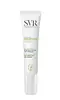
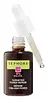
SVR Cicapeel Sebiaclear Targeted Active Gel Versus Sephora Collection Targeted Pores Serum with BHA and PHA
This acne serum is formulated around Gluconolactone and Salicylic Acid to clear breakouts and refine skin texture.
This pore-care serum is formulated around Gluconolactone and Salicylic Acid to refine the look of pores and balance excess oil.

What's inside
What's inside
 Key Ingredients
Benefits
Concerns
Ingredients Side-by-side
Water
Skin ConditioningGluconolactone
Chelating







Alcohol
Antimicrobial




Glycerin
Humectant

Sodium Hydroxide
BufferingHydroxyethylcellulose
Emulsion StabilisingSalicylic Acid
Masking

Sarcosine
Skin Conditioning
Butylene Glycol
Humectant
Denatonium Benzoate
Masking
PEG-60 Hydrogenated Castor Oil
Emulsifying

PEG-8 Dimethicone
Emulsifying
Pentylene Glycol
Skin Conditioning
T-Butyl Alcohol
Perfuming

Xanthan Gum
EmulsifyingParfum
Masking
Water
Skin ConditioningGluconolactone
Chelating
Propanediol
Solvent
Butylene Glycol
Humectant
Pentylene Glycol
Skin Conditioning
Alcohol Denat.
Antimicrobial
Silica
Abrasive
Sodium Hydroxide
BufferingAmmonium Acryloyldimethyltaurate/Vp Copolymer
Sodium Acrylates Copolymer
Glyceryl Caprylate
EmollientSalicylic Acid
Masking
Xanthan Gum
EmulsifyingLecithin
Emollient
Enantia Chlorantha Bark Extract
Skin ConditioningSodium Benzoate
Masking
Sodium Phytate
ChelatingHelianthus Annuus Seed Oil
Emollient
Rosmarinus Officinalis Leaf Extract
AntimicrobialT-Butyl Alcohol
Perfuming
Oleanolic Acid
Skin ConditioningDenatonium Benzoate
Masking
Water, Gluconolactone, Propanediol, Butylene Glycol, Pentylene Glycol, Alcohol Denat., Silica, Sodium Hydroxide, Ammonium Acryloyldimethyltaurate/Vp Copolymer, Sodium Acrylates Copolymer, Glyceryl Caprylate, Salicylic Acid, Xanthan Gum, Lecithin, Enantia Chlorantha Bark Extract, Sodium Benzoate, Sodium Phytate, Helianthus Annuus Seed Oil, Rosmarinus Officinalis Leaf Extract, T-Butyl Alcohol, Oleanolic Acid, Denatonium Benzoate
Reviews
Ingredients Explained
These ingredients are found in both products.
Ingredients higher up in an ingredient list are typically present in a larger amount.
Butylene Glycol (or BG) is used within cosmetic products for a few different reasons:
Overall, Butylene Glycol is a safe and well-rounded ingredient that works well with other ingredients.
Though this ingredient works well with most skin types, some people with sensitive skin may experience a reaction such as allergic rashes, closed comedones, or itchiness.
Learn more about Butylene GlycolDenatonium Benzoate is a denaturant and masking ingredient.
It is commonly used to denature alcohols, such as SD Alcohol 40.
Fun fact: This ingredient is the most bitter known compound. The bitter flavor is often used to deter consumption.
Learn more about Denatonium BenzoateGluconolactone is a PHA. PHAs are a great gentle alternative to traditional AHAs.
When applied, Gluconolactone has the same affect on skin as AHAs such as lactic acid. It helps dissolve the dead skin cells in the top layer of your skin. This improves texture and brightens the skin.
PHAs are more gentle than AHAs due to their larger structure. They do not penetrate as deeply as AHAs and take a longer time to dissolve dead cells. Studies show PHAs do not cause as much irritation.
Gluconolactone has some interesting properties:
In a 2004 study, Gluconolactone was found to prevent UV damage in mouse skin cells and has not been found to increase sun sensitivity. However, we still recommend wearing SPF daily.
This ingredient is is an created by reacting gluconic acid with an alcohol.
Learn more about GluconolactonePentylene Glycol (1,2-pentanediol) is a multitasking little diol with three main roles in a formula:
Research on alkanediols (the family pentylene glycol belongs to) show they work by disrupting microbial cell membranes. This disruption helps the primary preservative system in a product work more effectively at lower doses.
On the safety side, the Cosmetic Ingredient Review Expert Panel has concluded this ingredient to be safe as used in current cosmetic practices + concentrations.
Typical use levels in a formula run about 1-5%.
Learn more about Pentylene GlycolSalicylic Acid (also known as beta hydroxy acid or BHA) is a well-known ingredient for treating skin that struggles with acne and clogged pores. It exfoliates both the skin's surface and deep within the pores to help clear out buildup, control oil, and reduce inflammation.
Unlike AHAs (alpha hydroxy acids), salicylic acid is oil-soluble. This allows it to penetrate into pores which makes it especially effective for treating blackheads and preventing future breakouts.
Salicylic acid is also known for its soothing properties. It has a similar structure to aspirin and can calm inflamed or irritated skin, making it a good option for acne-prone skin that is also sensitive.
Concentrations of 0.5-2% are recognized by the U.S. FDA as an over-the-counter topical acne product.
It can cause irritation and/or dryness if one's skin already has a compromised moisture barrier, so it's best to focus on repairing that before introducing this ingredient into your routine.
While salicylic acid does not increase sun sensitivity, it’s still important to wear sunscreen daily to protect your skin.
If you are looking for the ingredient called BHA or Butylated Hydroxyanisole, click here.
Learn more about Salicylic AcidSodium Hydroxide is also known as lye or caustic soda. It is used to adjust the pH of products; many ingredients require a specific pH to be effective.
In small amounts, sodium hydroxide is considered safe to use. However, large amounts may cause chemical burns due to its high alkaline.
Your skin has a natural pH and acid mantle. This acid mantle helps prevent harmful bacteria from breaking through. The acid mantle also helps keep your skin hydrated.
"Alkaline" refers to a high pH level. A low pH level would be considered acidic.
Learn more about Sodium HydroxideT-Butyl Alcohol (aka tert-butanol) is a small, clear, camphor-smelling alcohol.
It has two main jobs:
On the safety side, it's well-studied and has a solid track record. Human repeat-insult patch testing showed no skin irritation or sensitization even at 100%.
Typical use levels are pretty tiny, usually less than 1%.
You might see some fear-mongering around this ingredient:
Studies in male rats showed kidney effects but that's because of a rat-specific protein that humans don't make. So this study isn't really relevant to humans.
Though it's not a typical fragrance like parfum, it does have a natural scent. That's why the official COSIng database lists it as 'perfuming' ingredient. It can be used to modify the scent of a formula.
Learn more about T-Butyl AlcoholWater. It's the most common cosmetic ingredient of all. You'll usually see it at the top of ingredient lists, meaning that it makes up the largest part of the product.
So why is it so popular? Water most often acts as a solvent - this means that it helps dissolve other ingredients into the formulation.
You'll also recognize water as that liquid we all need to stay alive. If you see this, drink a glass of water. Remember to stay hydrated!
Learn more about WaterXanthan gum is used as a stabilizer and thickener within cosmetic products. It helps give products a sticky, thick feeling - preventing them from being too runny.
On the technical side of things, xanthan gum is a polysaccharide - a combination consisting of multiple sugar molecules bonded together.
Xanthan gum is a pretty common and great ingredient. It is a natural, non-toxic, non-irritating ingredient that is also commonly used in food products.
Learn more about Xanthan Gum

