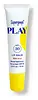
This calming lip moisturizer is formulated around Butyrospermum Parkii Nut Extract and Euterpe Oleracea Fruit Extract to calm redness and hydrate lips.
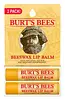
This lip moisturizer is formulated around Cera Alba and Cocos Nucifera Oil to hydrate lips.

What's inside
What's inside
 Key Ingredients
Benefits
Concerns
Ingredients Side-by-side
Butyl Methoxydibenzoylmethane 3%
UV Absorber
Homosalate 10%
Skin Conditioning
Octocrylene 10%
UV Absorber

Ethylhexyl Salicylate 5%
UV Absorber
Hydrogenated Polyisobutene
EmollientPolyisobutene
Butyloctyl Salicylate
Skin Conditioning
Butyrospermum Parkii Nut Extract
Emollient
C18-38 Alkyl Hydroxystearoyl Stearate
EmollientOzokerite
Emulsion StabilisingCetyl Alcohol
Emollient



Diethylhexyl 2,6-Naphthalate
EmollientGlyceryl Stearate
Emollient
Polyglyceryl-10 Decaoleate
Skin Conditioning
Carthamus Tinctorius Seed Oil
Masking
Sesamum Indicum Seed Oil
Emollient
Trihydroxystearin
Skin Conditioning
Helianthus Annuus Seed Oil
Emollient
Stevioside
Masking2-Methylbutyric Acid
Perfuming

Barosma Betulina Leaf Oil
Perfuming
Benzaldehyde
Masking
Dimethylhydroxy Furanone
MaskingTrans-2-Hexenal
Perfuming
Tocopherol
Antioxidant






Glycine Soja Oil
Emollient

Euterpe Oleracea Fruit Extract
Ethyl Acetate
Perfuming
Gamma-Undecalactone
Perfuming
Vanillin
Masking
Butyl Methoxydibenzoylmethane 3%, Homosalate 10%, Octocrylene 10%, Ethylhexyl Salicylate 5%, Hydrogenated Polyisobutene, Polyisobutene, Butyloctyl Salicylate, Butyrospermum Parkii Nut Extract, C18-38 Alkyl Hydroxystearoyl Stearate, Ozokerite, Cetyl Alcohol, Diethylhexyl 2,6-Naphthalate, Glyceryl Stearate, Polyglyceryl-10 Decaoleate, Carthamus Tinctorius Seed Oil, Sesamum Indicum Seed Oil, Trihydroxystearin, Helianthus Annuus Seed Oil, Stevioside, 2-Methylbutyric Acid, Barosma Betulina Leaf Oil, Benzaldehyde, Dimethylhydroxy Furanone, Trans-2-Hexenal, Tocopherol, Glycine Soja Oil, Euterpe Oleracea Fruit Extract, Ethyl Acetate, Gamma-Undecalactone, Vanillin

Reviews
Ingredients Explained
These ingredients are found in both products.
Ingredients higher up in an ingredient list are typically present in a larger amount.
Glycine Soja Oil is a plant-derived oil from soybean seeds. Like other oils, it is rich in essential fatty acids (mostly linoleic and oleic) that support skin hydration and barrier function.
The fatty acids are able to integrate into the lipid matrix of the stratum corneum to help soften skin and reduce water loss.
On top of that, soybean oil is rich in vitamins like vitamin E, a potent antioxidant.
Research on soybean's active components also point to anti-inflammatory, collagen-stimulating, antioxidant activity, and protection against UV-induced oxidative damage.
Most of this research applies to the broader soybean plant and not just the oil fraction alone.
This ingredient may not be fungal acne safe due to the oleic acid content.
Learn more about Glycine Soja OilHelianthus Annuus Seed Oil is a plant oil derived from the seeds of a sunflower.
It is rich in fatty acids, primarily linoleic acid and oleic acid. This gives it emollient and skin conditioning properties.
The reason this ingredient is so effective is because it forms a thin film on the skin that reduces transepidermal water loss (TEWL) while supplying linoleic acid to the stratum corneum to improve barrier strength.
The high linoleic acid content is particularly noteworthy for acne-prone skin.
Research suggests that acne-prone skin tends to be deficient in linoleic acid in sebum. Topical application may help replenish this to support a healthier follicular environment and less comedone-promoting sebum.
One randomized study found sunflower seed oil preserved skin barrier integrity in adult volunteers with and without atopic dermatitis (outperforming olive oil).
This ingredient is well-studied, gentle, and an effective emollient suitable for most skin types.
On fungal acne: This ingredient may not be Fungal acne (Malassezia folliculitis) safe. This is because it contains fatty acids with carbon chain lengths in the C11-C24 range.
Learn more about Helianthus Annuus Seed OilTocopherol is a fat-soluble antioxidant known as Vitamin E.
You'll find this ingredient in the vast majority of skincare (for good reason). It works to neutralize free radicals, or unstable molecules generated by UV exposure, pollution, and other environmental stressors, before they can cause oxidative damage to your skin cells.
Topically applied tocopherol has been shown to protect against UV damage by ramping up the skin's own natural defense enzymes.
It also acts as a skin conditioning agent; some studies show that regular topical use can improve the skin's water-binding capacity over 2-4 weeks.
This ingredient is especially loved for being a team player. When combined with Vitamin C, the photoprotective effect of both ingredients roughly doubles and the combo also helps reduce UV-induced DNA damage.
This ingredient has some brightening potential but it's more of a prevention ingredient than spot-fader. Cell studies show it can slow down melanin production but it's worth noting that it's not the most powerful brightener out there.
In formulations, it also serves as a stabilizer that helps protect other oxidation-prone ingredients from degrading.
Concentrations usually range from 0.1-1% in most leave-on products.
Learn more about Tocopherol

