

What's inside
What's inside
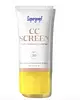 Key Ingredients
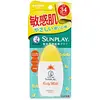
Benefits
Concerns
No concerns
Ingredients Side-by-side
Titanium Dioxide 4%
Cosmetic Colorant

Zinc Oxide 20%
Cosmetic Colorant
Water
Skin ConditioningC12-15 Alkyl Benzoate
AntimicrobialButyloctyl Salicylate
Skin Conditioning
Isododecane
EmollientPropanediol
Solvent
Glycerin
Humectant


Cetyl Diglyceryl Tris(Trimethylsiloxy)Silylethyl Dimethicone
Emulsion Stabilising
1,2-Hexanediol
Skin Conditioning
Pyrus Malus Fruit Extract
Skin Conditioning
Sodium Chloride
Masking


Silica
Abrasive

Triethoxycaprylylsilane
Dimethicone/Vinyl Dimethicone Crosspolymer
Skin Conditioning
Mica
Cosmetic Colorant
Iron Oxides
Hydroxyacetophenone
Antioxidant

Diethylhexyl Syringylidenemalonate
Skin ProtectingTrisodium Ethylenediamine Disuccinate
Chlorphenesin
Antimicrobial
Xanthan Gum
EmulsifyingChondrus Crispus Extract
Skin Conditioning
Caprylic/Capric Triglyceride
Masking
Tin Oxide
Abrasive
Sodium Hyaluronate
Humectant
Tocopherol
Antioxidant

Titanium Dioxide 4%, Zinc Oxide 20%, Water, C12-15 Alkyl Benzoate, Butyloctyl Salicylate, Isododecane, Propanediol, Glycerin, Cetyl Diglyceryl Tris(Trimethylsiloxy)Silylethyl Dimethicone, 1,2-Hexanediol, Pyrus Malus Fruit Extract, Sodium Chloride, Silica, Triethoxycaprylylsilane, Dimethicone/Vinyl Dimethicone Crosspolymer, Mica, Iron Oxides, Hydroxyacetophenone, Diethylhexyl Syringylidenemalonate, Trisodium Ethylenediamine Disuccinate, Chlorphenesin, Xanthan Gum, Chondrus Crispus Extract, Caprylic/Capric Triglyceride, Tin Oxide, Sodium Hyaluronate, Tocopherol
Cyclopentasiloxane
Emollient
Water
Skin ConditioningDimethicone
Emollient
Zinc Oxide
Cosmetic Colorant
Glycerin
Humectant
PPG-10 Methyl Glucose Ether
Skin ConditioningTitanium Dioxide
Cosmetic Colorant
Polymethylsilsesquioxane
Trimethylsiloxysilicate
Emollient
1,2-Hexanediol
Skin Conditioning
PCA Dimethicone
Skin Conditioning
Sodium Hyaluronate
Humectant
Dipotassium Glycyrrhizate
Humectant

Magnesium Ascorbyl Phosphate
Antioxidant


Tocopheryl Acetate
Antioxidant
Hydrated Silica
Abrasive
Polyglyceryl-3 Polydimethylsiloxyethyl Dimethicone
Skin Conditioning
Hydrogen Dimethicone
Aluminum Hydroxide
EmollientPanthenol
Skin Conditioning
Dimethicone/Vinyl Dimethicone Crosspolymer
Skin Conditioning
Cyclopentasiloxane, Water, Dimethicone, Zinc Oxide, Glycerin, PPG-10 Methyl Glucose Ether, Titanium Dioxide, Polymethylsilsesquioxane, Trimethylsiloxysilicate, 1,2-Hexanediol, PCA Dimethicone, Sodium Hyaluronate, Dipotassium Glycyrrhizate, Magnesium Ascorbyl Phosphate, Tocopheryl Acetate, Hydrated Silica, Polyglyceryl-3 Polydimethylsiloxyethyl Dimethicone, Hydrogen Dimethicone, Aluminum Hydroxide, Panthenol, Dimethicone/Vinyl Dimethicone Crosspolymer
Reviews
Ingredients Explained
These ingredients are found in both products.
Ingredients higher up in an ingredient list are typically present in a larger amount.
1,2-Hexanediol is a synthetic liquid and another multi-functional powerhouse.
It is a:
- Humectant, drawing moisture into the skin
- Emollient, helping to soften skin
- Solvent, dispersing and stabilizing formulas
- Preservative booster, enhancing the antimicrobial activity of other preservatives
This ingredient is a silicone used to improve the texture of products and absorb oil. It does not get absorbed into the skin.
Like other silicones, Dimethicone/Vinyl Dimethicone Crosspolymer helps condition the skin by creating a barrier. In this sense, it can act as an emollient and trap moisture in.
This ingredient is a type of elastomer.
Learn more about Dimethicone/Vinyl Dimethicone CrosspolymerGlycerin is already naturally found in your skin. It helps moisturize and protect your skin.
A study from 2016 found glycerin to be more effective as a humectant than AHAs and hyaluronic acid.
As a humectant, it helps the skin stay hydrated by pulling moisture to your skin. The low molecular weight of glycerin allows it to pull moisture into the deeper layers of your skin.
Hydrated skin improves your skin barrier; Your skin barrier helps protect against irritants and bacteria.
Glycerin has also been found to have antimicrobial and antiviral properties. Due to these properties, glycerin is often used in wound and burn treatments.
In cosmetics, glycerin is usually derived from plants such as soybean or palm. However, it can also be sourced from animals, such as tallow or animal fat.
This ingredient is organic, colorless, odorless, and non-toxic.
Glycerin is the name for this ingredient in American English. British English uses Glycerol/Glycerine.
Learn more about GlycerinSodium Hyaluronate is hyaluronic acid's salt form. It is commonly derived from the sodium salt of hyaluronic acid.
Like hyaluronic acid, it is great at holding water and acts as a humectant. This makes it a great skin hydrating ingredient.
Sodium Hyaluronate is naturally occurring in our bodies and is mostly found in eye fluid and joints.
These are some other common types of Hyaluronic Acid:
Learn more about Sodium HyaluronateTitanium dioxide is a mineral UV filter widely used in sunscreens and cosmetics.
It is one of only two UV filters officially classified as “mineral” by regulatory agencies, the other being zinc oxide.
Titanium dioxide provides broad-spectrum protection mostly in the UVB and UVAII range, with some protection in the UVAI range.
While its UVA protection isn’t as strong as zinc oxide’s, the difference is minor.
A common myth is that mineral UV filters reflect UV light. However, modern research shows titanium dioxide absorbs UV radiation like chemical filters (~95% absorption & 5% reflection).
Thanks to its non-irritating nature, titanium dioxide is suitable for sensitive, acne-prone, or redness-prone skin. It is unlikely to cause "eye sting" like other sunscreen ingredients.
A major drawback of this ingredient is its white cast and thick texture. This is why mineral sunscreens often leave a white cast and are less cosmetically elegant than chemical/hybrid sunscreens.
To improve white cast and spreadability, micronized or nano-sized titanium dioxide is often used.
There are ongoing concerns surrounding nano-titanium oxide's impact on marine ecosystems.
There is no conclusive evidence that any form of titanium oxide (or any other sunscreen ingredients) will cause harm to marine ecosystems or coral reefs. The science is still developing but many consumers are keeping a close eye on this issue.
Please note, many destinations have reef-safety sunscreen rules. For instance, the U.S. Virgin Islands advises all visitors to use non-nano mineral sunscreens.
Nano mineral sunscreens once raised safety concerns about absorption into skin.
Extensive research has shown that they do not penetrate healthy or damaged skin; they remain safely on the surface and the top layer of dead skin (stratum corneum).
You'll likely find titanium dioxide bundled with alumina, silica, or dimethicone. These ingredients help make titanium dioxide highly photostable; this prevents it from interacting with other formula components under UV light.
Learn more about Titanium DioxideWater. It's the most common cosmetic ingredient of all. You'll usually see it at the top of ingredient lists, meaning that it makes up the largest part of the product.
So why is it so popular? Water most often acts as a solvent - this means that it helps dissolve other ingredients into the formulation.
You'll also recognize water as that liquid we all need to stay alive. If you see this, drink a glass of water. Stay hydrated!
Learn more about WaterZinc Oxide is a mineral broad-spectrum UV filter; it is the broadest UVA and UVB reflector approved by the FDA. It also has skin protectant and skin soothing properties.
Zinc oxide is one of the most effective broad-spectrum UV filters. It protects against UVB, UVAII, and UVAI. In comparison to its counterpart titanium dioxide, zinc oxide provides uniform and extended UVA protection.
Another great benefit? This ingredient is highly photostable so it won't degrade easily under sunlight.
A common myth is that mineral UV filters are widely believed to primarily reflect UV light.
However, modern research shows titanium dioxide absorbs UV radiation like chemical filters (~95% absorption & 5% reflection).
Zinc oxide has great skin soothing properties so you'll likely find this in sunscreens formulated for sensitive skin or babies/children. It is unlikely to cause "eye sting" like other sunscreen ingredients.
Regulatory agencies consider zinc oxide to be non-toxic and safe. It has also been shown to not penetrate the skin.
Unfortunately, this ingredient does leave a visible white cast. This is why mineral sunscreens are often less cosmetically elegant than chemical or hybrid ones.
In cosmetics, zinc oxide can be found in both non-nano and nano-sized forms. The nano version is used to reduce white cast and improve the texture of sunscreen formulas.
There are ongoing concerns surrounding nano-zinc oxide's impact on marine ecosystems and whether it can be absorbed into skin.
Regarding marine ecosystems and coral reefs, there is no conclusive evidence that any form of zinc oxide (or any other sunscreen ingredients) will cause harm. The science is still developing but many consumers are keeping a close eye on this issue.
Please note, many destinations have reef-safety sunscreen rules. For instance, the U.S. Virgin Islands advises all visitors to use non-nano mineral sunscreens.
There has also been some stir about whether micronized or nano zinc oxide has potential photoxicity and absorption through the skin/lungs.
An in-vitro (done in a test tube or petri dish) study demonstrated micronized zinc oxide to have potential phototoxicity. There's no need to fret; the EU Commission's Scientific Committee on Consumer Safety has stated, "The relevance of these findings needs to be clarified by appropriate investigations in vivo." Or in other words, further studies done on living organisms are needed to prove this.
Current research shows zinc oxide nanoparticles do not penetrate intact or sunburned skin. They either remain on the surface or in the outermost layer of dead skin (stratum corneum).
Zinc oxide is one of only two classified mineral UV filters with titanium dioxide being the other one.
Fun fact: Zinc has been used throughout history as an ingredient in paint and medicine. An Indian text from 500BC is believed to list zinc oxide as a salve for open wound. The Ancient Greek physician Dioscorides has also mentioned the use of zinc as an ointment in 1AD.
Learn more about Zinc Oxide
