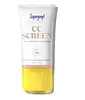
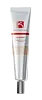
Supergoop! CC Screen 100% Mineral CC Cream SPF 50 Versus Korean Skin Therapy CC Cream Tinted Color Corrector SPF 25

What's inside
What's inside
 Key Ingredients
Benefits
Concerns
No concerns
Ingredients Side-by-side
Titanium Dioxide 4%
Cosmetic Colorant

Zinc Oxide 20%
Cosmetic Colorant
Water
Skin ConditioningC12-15 Alkyl Benzoate
AntimicrobialButyloctyl Salicylate
Skin Conditioning
Isododecane
EmollientPropanediol
Solvent

Glycerin
Humectant
Cetyl Diglyceryl Tris(Trimethylsiloxy)Silylethyl Dimethicone
Emulsion Stabilising
1,2-Hexanediol
Skin Conditioning
Pyrus Malus Fruit Extract
Skin Conditioning
Sodium Chloride
MaskingSilica
Abrasive

Triethoxycaprylylsilane
Dimethicone/Vinyl Dimethicone Crosspolymer
Skin Conditioning
Mica
Cosmetic ColorantIron Oxides
Hydroxyacetophenone
Antioxidant


Diethylhexyl Syringylidenemalonate
Skin ProtectingTrisodium Ethylenediamine Disuccinate
Chlorphenesin
Antimicrobial
Xanthan Gum
EmulsifyingChondrus Crispus Extract
Skin Conditioning
Caprylic/Capric Triglyceride
Masking
Tin Oxide
Abrasive
Sodium Hyaluronate
Humectant

Tocopherol
Antioxidant


Titanium Dioxide 4%, Zinc Oxide 20%, Water, C12-15 Alkyl Benzoate, Butyloctyl Salicylate, Isododecane, Propanediol, Glycerin, Cetyl Diglyceryl Tris(Trimethylsiloxy)Silylethyl Dimethicone, 1,2-Hexanediol, Pyrus Malus Fruit Extract, Sodium Chloride, Silica, Triethoxycaprylylsilane, Dimethicone/Vinyl Dimethicone Crosspolymer, Mica, Iron Oxides, Hydroxyacetophenone, Diethylhexyl Syringylidenemalonate, Trisodium Ethylenediamine Disuccinate, Chlorphenesin, Xanthan Gum, Chondrus Crispus Extract, Caprylic/Capric Triglyceride, Tin Oxide, Sodium Hyaluronate, Tocopherol
Water
Skin ConditioningGlycerin
Humectant
Butylene Glycol
Humectant
Magnesium Stearate
Cosmetic ColorantTrimethylsiloxysilicate
Emollient
Ethylhexyl Palmitate
Emollient


Caprylic/Capric Triglyceride
Masking
Trimethylamine Oxide
HumectantIsododecane
EmollientPropylene Carbonate
SolventDistearyldimonium Chloride
Lithium Sulfide
Montmorillonite
AbsorbentTridecyl Erucate
EmollientCyclohexasiloxane
Emollient
Dimethicone
Emollient
Lauryl PEG-9 Polydimethylsiloxyethyl Dimethicone
Skin Conditioning
Titanium Dioxide
Cosmetic Colorant
Phenoxyethanol
Preservative
Ethylhexylglycerin
Skin ConditioningParfum
Masking



CI 77491
Cosmetic ColorantCI 77891
Cosmetic ColorantPolyvinyl Alcohol
Sodium Polyacrylate
Absorbent
Aluminum Hydroxide
EmollientWater, Glycerin, Butylene Glycol, Magnesium Stearate, Trimethylsiloxysilicate, Ethylhexyl Palmitate, Caprylic/Capric Triglyceride, Trimethylamine Oxide, Isododecane, Propylene Carbonate, Distearyldimonium Chloride, Lithium Sulfide, Montmorillonite, Tridecyl Erucate, Cyclohexasiloxane, Dimethicone, Lauryl PEG-9 Polydimethylsiloxyethyl Dimethicone, Titanium Dioxide, Phenoxyethanol, Ethylhexylglycerin, Parfum, CI 77491, CI 77891, Polyvinyl Alcohol, Sodium Polyacrylate, Aluminum Hydroxide
Reviews
Ingredients Explained
These ingredients are found in both products.
Ingredients higher up in an ingredient list are typically present in a larger amount.
Caprylic/Capric Triglyceride (aka MCT Oil) is a lightweight emollient, solvent, and texture enhancer. It is considered a skin-softener by helping to prevent moisture loss.
Though it behaves like an oil, it is not technically one due to its chemical composition. One perk of this ingredient is that it is very stable, resistant to oxidation, and unlikely to go rancid.
In practice, that translates to a long shelf life and a consistently elegant skin feel.
While there is an assumption Caprylic Triglyceride can clog pores due to it being derived from coconut oil, there is no research supporting this. Just patch test if you have concerns.
Fractionated coconut oil and MCT Oil are both listed as Caprylic/Capric Triglyceride according to INCI. This is because INCI names are based on the ingredient’s final chemical composition and not its marketing name or source.
This ingredient is treated as the gold standard fungal acne safe oil. Even though it is coconut derived, the problematic lauric acid is stripped out.
This leaves just caprylic (C8) and capric (C10) acid. These chain lengths actually trend antifungal; a 2020 study found caprylic acid was enough to disrupt Malassezia furfur cell membrane, with a caprylic acid derivative damaging membrane structures at concentrations as low as 0.2%.
Learn more about Caprylic/Capric TriglycerideGlycerin (or glycerol) is a compound naturally found in your skin. It's a powerhouse humectant that pulls water into the stratum corneum.
Topically, glycerin does several things at once:
Your skin makes glycerin on its own (mostly from sebaceous oil breakdown) and shuttles it to your outermost layer of skin, or your epidermis, via aquaporin-3.
Aquaporin-3 is a transporter that is essential for normal skin hydration, elasticity, and repair. Interestingly, mice lacking in AQP3 have dry and less elastic skin that can be fully corrected with glycerin.
This ingredient is non-irritating, plays well with almost every ingredient, and works across all skin types. Typical use is anywhere between 3-10% but can go up to 79% in some leave-on products.
Just know very high concentrations (>40%) can feel tacky in low humidity.
Glycerin is the name for this ingredient in American English. British English uses Glycerol/Glycerine.
Learn more about GlycerinIsododecane is a fragrance, emollient, and solvent.
As an emollient, it helps your skin stay soft and hydrated. Emollients help trap moisture into your skin.
Isododecane's role as a solvent makes it a great texture enhancer. It spreads smoothly on skin and does not leave a sticky feeling behind. Isododecane also helps prevent color transfer in makeup products.
Isododecane is not absorbed into skin.
The chemical name for this ingredient is 2,2,4,6,6-PENTAMETHYLHEPTANE.
Learn more about IsododecaneTitanium dioxide is a mineral UV filter widely used in sunscreens and cosmetics.
It is one of only two UV filters officially classified as “mineral” by regulatory agencies, the other being zinc oxide.
Titanium dioxide provides broad-spectrum protection mostly in the UVB and UVAII range, with some protection in the UVAI range.
While its UVA protection isn’t as strong as zinc oxide’s, the difference is minor.
A common myth is that mineral UV filters reflect UV light. However, modern research shows titanium dioxide absorbs UV radiation like chemical filters (~95% absorption & 5% reflection).
Thanks to its non-irritating nature, titanium dioxide is suitable for sensitive, acne-prone, or redness-prone skin. It is unlikely to cause "eye sting" like other sunscreen ingredients.
A major drawback of this ingredient is its white cast and thick texture. This is why mineral sunscreens often leave a white cast and are less cosmetically elegant than chemical/hybrid sunscreens.
To improve white cast and spreadability, micronized or nano-sized titanium dioxide is often used.
There are ongoing concerns surrounding nano-titanium oxide's impact on marine ecosystems.
There is no conclusive evidence that any form of titanium oxide (or any other sunscreen ingredients) will cause harm to marine ecosystems or coral reefs. The science is still developing but many consumers are keeping a close eye on this issue.
Please note, many destinations have reef-safety sunscreen rules. For instance, the U.S. Virgin Islands advises all visitors to use non-nano mineral sunscreens.
Nano mineral sunscreens once raised safety concerns about absorption into skin.
Extensive research has shown that they do not penetrate healthy or damaged skin; they remain safely on the surface and the top layer of dead skin (stratum corneum).
You'll likely find titanium dioxide bundled with alumina, silica, or dimethicone. These ingredients help make titanium dioxide highly photostable; this prevents it from interacting with other formula components under UV light.
Learn more about Titanium DioxideWater. It's the most common cosmetic ingredient of all. You'll usually see it at the top of ingredient lists, meaning that it makes up the largest part of the product.
So why is it so popular? Water most often acts as a solvent - this means that it helps dissolve other ingredients into the formulation.
You'll also recognize water as that liquid we all need to stay alive. If you see this, drink a glass of water. Remember to stay hydrated!
Learn more about Water
