Somethinc Alpha Squalaneoxidant Deep Cleansing Oil Versus Ariul Stress Relieving Purefull Lip And Eye Remover Pad
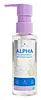
This oil-based makeup remover is made to dissolve makeup, sunscreen, and daily buildup.
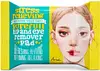
This cleansing wipe is made to dissolve makeup, sunscreen, and daily buildup.


What's inside
What's inside
 Key Ingredients
Benefits
Concerns
Ingredients Side-by-side




Water
Skin ConditioningCetyl Ethylhexanoate
EmollientCyclopentasiloxane
Emollient
Cyclohexasiloxane
Emollient
Methylpropanediol
SolventGlycerin
Humectant


Poloxamer 184
EmulsifyingHelianthus Annuus Seed Oil
Emollient


Prunus Armeniaca Kernel Oil
Masking

Olea Europaea Fruit Oil
Masking
Simmondsia Chinensis Seed Oil
Emollient
Brassica Oleracea Italica Extract
AstringentSolanum Lycopersicum Fruit Extract
Antioxidant
Pyrus Malus Fruit Extract
Skin Conditioning
Musa Sapientum Fruit Extract
Skin ConditioningBrassica Oleracea Capitata Leaf Extract
Skin ConditioningDaucus Carota Sativa Root Extract
Skin Conditioning
Glycine Soja Seed Extract
Skin Conditioning
Hydrolyzed Sesame Extract
Skin ConditioningAvena Sativa Kernel Flour
Abrasive

Sodium Cocoyl Apple Amino Acids
Foam Boosting
Hexylene Glycol
EmulsifyingTetrasodium Glutamate Diacetate
ChelatingPotassium Cocoyl Glycinate
Surfactant
Ethylhexylglycerin
Skin ConditioningCetylpyridinium Chloride
AntimicrobialCaprylyl Glycol
Emollient
Cocamidopropyl Pg-Dimonium Chloride Phosphate
Citric Acid
Buffering

Eucalyptus Globulus Leaf Oil
Perfuming


Citrus Aurantifolia Oil
Cleansing
Melaleuca Alternifolia Leaf Oil
Antioxidant

Citrus Aurantium Dulcis Peel Oil
Masking
Citrus Aurantium Bergamia Fruit Oil
Masking
Citrus Limon Peel Oil
Masking
Water, Cetyl Ethylhexanoate, Cyclopentasiloxane, Cyclohexasiloxane, Methylpropanediol, Glycerin, Poloxamer 184, Helianthus Annuus Seed Oil, Prunus Armeniaca Kernel Oil, Olea Europaea Fruit Oil, Simmondsia Chinensis Seed Oil, Brassica Oleracea Italica Extract, Solanum Lycopersicum Fruit Extract, Pyrus Malus Fruit Extract, Musa Sapientum Fruit Extract, Brassica Oleracea Capitata Leaf Extract, Daucus Carota Sativa Root Extract, Glycine Soja Seed Extract, Hydrolyzed Sesame Extract, Avena Sativa Kernel Flour, Sodium Cocoyl Apple Amino Acids, Hexylene Glycol, Tetrasodium Glutamate Diacetate, Potassium Cocoyl Glycinate, Ethylhexylglycerin, Cetylpyridinium Chloride, Caprylyl Glycol, Cocamidopropyl Pg-Dimonium Chloride Phosphate, Citric Acid, Eucalyptus Globulus Leaf Oil, Citrus Aurantifolia Oil, Melaleuca Alternifolia Leaf Oil, Citrus Aurantium Dulcis Peel Oil, Citrus Aurantium Bergamia Fruit Oil, Citrus Limon Peel Oil
Reviews
Ingredients Explained
These ingredients are found in both products.
Ingredients higher up in an ingredient list are typically present in a larger amount.
Cetyl Ethylhexanoate is an emollient ester. It comes from cetearyl alcohol and 2-ethylhexanoic acid.
Cetyl Ethylhexanoate is an emollient that adds a velvety feel to skin without being greasy or oily. Emollients help trap moisture into your skin, keeping your skin soft and hydrated.
Citrus Aurantium Bergamia Fruit Oil is the oil from the bergamot orange and is primarily used as a fragrance. It has a "fresh" and "bright orange" scent.
The main aroma compounds found in this ingredient are limonene (~27-52%), linalool (~2-22%), and linalyl acetate (~27-40%). These are known EU fragrance allergens.
The term 'fragrance' is not regulated in many countries. In many cases, it is up to the brand to define this term. For instance, many brands choose to label themselves as "fragrance-free" because they are not using synthetic fragrances. However, their products may still contain ingredients such as essential oils that are considered a fragrance.
When used topically, Citrus Aurantium Bergamia Fruit Oil is a photosensitizer due to the furanocoumarin content. Furanocoumarins absorb UV-A and cause phytophotodermatitis; this can look like redness, blistering, and lasting brown pigmentation on sun-exposed skin.
Due to this, this ingredient is capped at 0.4% in leave-on products applied to sun exposed skin.
Many modern formulas used a "furanocoumarin-free" version that sidesteps the phototoxicity issue, but still contains the fragrance allergens.
Learn more about Citrus Aurantium Bergamia Fruit OilHelianthus Annuus Seed Oil is a plant oil derived from the seeds of a sunflower.
It is rich in fatty acids, primarily linoleic acid and oleic acid. This gives it emollient and skin conditioning properties.
The reason this ingredient is so effective is because it forms a thin film on the skin that reduces transepidermal water loss (TEWL) while supplying linoleic acid to the stratum corneum to improve barrier strength.
The high linoleic acid content is particularly noteworthy for acne-prone skin.
Research suggests that acne-prone skin tends to be deficient in linoleic acid in sebum. Topical application may help replenish this to support a healthier follicular environment and less comedone-promoting sebum.
One randomized study found sunflower seed oil preserved skin barrier integrity in adult volunteers with and without atopic dermatitis (outperforming olive oil).
This ingredient is well-studied, gentle, and an effective emollient suitable for most skin types.
On fungal acne: This ingredient may not be Fungal acne (Malassezia folliculitis) safe. This is because it contains fatty acids with carbon chain lengths in the C11-C24 range.
Learn more about Helianthus Annuus Seed Oil

