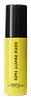
This acne serum is formulated around Mandelic Acid to clear breakouts and refine skin texture.
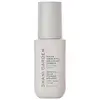
This calming serum is formulated around Potassium Azeloyl Diglycinate and Avena Sativa Kernel Extract to calm redness and strengthen the skin barrier.

What's inside
What's inside
 Key Ingredients
Benefits
Concerns
Ingredients Side-by-side
Water
Skin ConditioningMandelic Acid
Antimicrobial










Propanediol
Solvent

Sodium Hydroxide
BufferingPanthenol
Skin Conditioning

Glycerin
Humectant
Polyacrylate Crosspolymer-6
Emulsion StabilisingXanthan Gum
EmulsifyingButylene Glycol
Humectant
Glyceryl Acrylate/Acrylic Acid Copolymer
HumectantHydrolyzed Sodium Hyaluronate
Skin Conditioning
Hyaluronic Acid
Humectant
Silanetriol
Citric Acid
Buffering
Sorbic Acid
Preservative
Sodium Phytate
Hexylene Glycol
EmulsifyingCaprylyl Glycol
Emollient
Phenoxyethanol
Preservative
Caramel
Cosmetic ColorantWater, Mandelic Acid, Propanediol, Sodium Hydroxide, Panthenol, Glycerin, Polyacrylate Crosspolymer-6, Xanthan Gum, Butylene Glycol, Glyceryl Acrylate/Acrylic Acid Copolymer, Hydrolyzed Sodium Hyaluronate, Hyaluronic Acid, Silanetriol, Citric Acid, Sorbic Acid, Sodium Phytate, Hexylene Glycol, Caprylyl Glycol, Phenoxyethanol, Caramel
Water
Skin ConditioningDicaprylyl Carbonate
EmollientPotassium Azeloyl Diglycinate
Skin Conditioning
Maltodextrin
Absorbent
1,2-Hexanediol
Skin Conditioning
Propanediol
Solvent
Avena Sativa Kernel Extract
Abrasive

Aloe Barbadensis Leaf Juice
Skin Conditioning
Dipotassium Glycyrrhizate
Humectant
Sodium Hyaluronate
Humectant
Panthenol
Skin Conditioning
Hydroxyacetophenone
Antioxidant
Lactic Acid
Buffering
Benzoic Acid
Masking
Citric Acid
Buffering
Sodium Lactate
Buffering
Sodium Gluconate
Skin ConditioningSclerotium Gum
Emulsion StabilisingPolyglyceryl-2 Stearate
Emulsifying
Xanthan Gum
EmulsifyingGlyceryl Stearate
Emollient
Stearyl Alcohol
Emollient
Water, Dicaprylyl Carbonate, Potassium Azeloyl Diglycinate, Maltodextrin, 1,2-Hexanediol, Propanediol, Avena Sativa Kernel Extract, Aloe Barbadensis Leaf Juice, Dipotassium Glycyrrhizate, Sodium Hyaluronate, Panthenol, Hydroxyacetophenone, Lactic Acid, Benzoic Acid, Citric Acid, Sodium Lactate, Sodium Gluconate, Sclerotium Gum, Polyglyceryl-2 Stearate, Xanthan Gum, Glyceryl Stearate, Stearyl Alcohol
Reviews
Ingredients Explained
These ingredients are found in both products.
Ingredients higher up in an ingredient list are typically present in a larger amount.
Citric Acid is an alpha hydroxy acid (AHA) naturally found in citrus fruits like oranges, lemons, and limes.
Like other AHAs, citric acid can exfoliate skin by breaking down the bonds that hold dead skin cells together. This helps reveal smoother and brighter skin underneath.
However, this exfoliating effect only happens at high concentrations (20%) which can be hard to find in cosmetic products.
Due to this, citric acid is usually included in small amounts as a pH adjuster. This helps keep products slightly more acidic and compatible with skin's natural pH.
In skincare formulas, citric acid can:
While it can provide some skin benefits, research shows lactic acid and glycolic acid are generally more effective and less irritating exfoliants.
Most citric acid used in skincare today is made by fermenting sugars (usually from molasses). This synthetic version is identical to the natural citrus form but easier to stabilize and use in formulations.
Read more about some other popular AHA's here:
Learn more about Citric AcidPanthenol is a common ingredient that helps hydrate and soothe the skin. It is found naturally in our skin and hair.
There are two forms of panthenol: D and L.
D-panthenol is also known as dexpanthenol. Most cosmetics use dexpanthenol or a mixture of D and L-panthenol.
Panthenol is famous due to its ability to go deeper into the skin's layers. Using this ingredient has numerous pros (and no cons):
Like hyaluronic acid, panthenol is a humectant. Humectants are able to bind and hold large amounts of water to keep skin hydrated.
This ingredient works well for wound healing. It works by increasing tissue in the wound and helps close open wounds.
Once oxidized, panthenol converts to pantothenic acid. Panthothenic acid is found in all living cells.
This ingredient is also referred to as pro-vitamin B5.
Learn more about PanthenolPropanediol is an all-star ingredient. It softens, hydrates, and smooths the skin.
It’s often used to:
Propanediol is not likely to cause sensitivity and considered safe to use. It is derived from corn or petroleum with a clear color and no scent.
Learn more about PropanediolWater. It's the most common cosmetic ingredient of all. You'll usually see it at the top of ingredient lists, meaning that it makes up the largest part of the product.
So why is it so popular? Water most often acts as a solvent - this means that it helps dissolve other ingredients into the formulation.
You'll also recognize water as that liquid we all need to stay alive. If you see this, drink a glass of water. Remember to stay hydrated!
Learn more about WaterXanthan gum is used as a stabilizer and thickener within cosmetic products. It helps give products a sticky, thick feeling - preventing them from being too runny.
On the technical side of things, xanthan gum is a polysaccharide - a combination consisting of multiple sugar molecules bonded together.
Xanthan gum is a pretty common and great ingredient. It is a natural, non-toxic, non-irritating ingredient that is also commonly used in food products.
Learn more about Xanthan Gum

