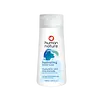
This hydrating toner is formulated around Sodium Hyaluronate and Copper Tripeptide-1 to hydrate skin and soften the look of wrinkles.
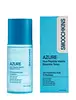
This hydrating toner is formulated around Aloe Barbadensis Leaf Juice and Niacinamide to hydrate skin and strengthen the skin barrier.

What's inside
What's inside
 Key Ingredients
Benefits
Concerns
No concerns
Ingredients Side-by-side
Water
Skin ConditioningGlycerin
Humectant


Sodium Citrate
BufferingPropanediol
Solvent
Sodium Hyaluronate
Humectant


Potassium Hyaluronate
Skin ConditioningHydroxypropyltrimonium Hyaluronate
Hydrolyzed Hyaluronic Acid
Humectant
Hyaluronic Acid
Humectant
Hydrolyzed Sodium Hyaluronate
Skin Conditioning
Sodium Hyaluronate Crosspolymer
Humectant
Sodium Retinoyl Hyaluronate
Zinc Hydrolyzed Hyaluronate
HumectantSodium Acetylated Hyaluronate
Humectant
Ascorbylpropyl Hydrolyzed Hyaluronate
HumectantAscorbyl Propyl Hyaluronate
Skin Conditioning
Dimethylsilanol Hyaluronate
Humectant
Phenoxyethanol
Preservative
Ethylhexylglycerin
Skin ConditioningCaprylyl Glycol
Emollient
Copper Tripeptide-1
Skin Conditioning
Dipeptide Diaminobutyroyl Benzylamide Diacetate
Skin Conditioning
S-Mu-Conotoxin Cniiic
Skin ProtectingAcetyl Hexapeptide-8
Humectant
Palmitoyl Tripeptide-5
Skin Conditioning
Nonapeptide-1
Skin Conditioning
Carnosine
Skin Conditioning
Allantoin
Skin Conditioning
Malachite Extract
Antioxidant
Citric Acid
Buffering

Hydroxyethylcellulose
Emulsion StabilisingPentylene Glycol
Skin Conditioning
Butylene Glycol
Humectant
Sodium Benzoate
Masking
Water, Glycerin, Sodium Citrate, Propanediol, Sodium Hyaluronate, Potassium Hyaluronate, Hydroxypropyltrimonium Hyaluronate, Hydrolyzed Hyaluronic Acid, Hyaluronic Acid, Hydrolyzed Sodium Hyaluronate, Sodium Hyaluronate Crosspolymer, Sodium Retinoyl Hyaluronate, Zinc Hydrolyzed Hyaluronate, Sodium Acetylated Hyaluronate, Ascorbylpropyl Hydrolyzed Hyaluronate, Ascorbyl Propyl Hyaluronate, Dimethylsilanol Hyaluronate, Phenoxyethanol, Ethylhexylglycerin, Caprylyl Glycol, Copper Tripeptide-1, Dipeptide Diaminobutyroyl Benzylamide Diacetate, S-Mu-Conotoxin Cniiic, Acetyl Hexapeptide-8, Palmitoyl Tripeptide-5, Nonapeptide-1, Carnosine, Allantoin, Malachite Extract, Citric Acid, Hydroxyethylcellulose, Pentylene Glycol, Butylene Glycol, Sodium Benzoate
Water
Skin ConditioningPropanediol
Solvent
Aloe Barbadensis Leaf Juice
Skin Conditioning
Niacinamide
Smoothing




Xylitol
Humectant
Hydrolyzed Hyaluronic Acid
Humectant
Polyglyceryl-4 Laurate/Sebacate
SolventPolyglyceryl-6 Caprylate/Caprate
StabilisingXanthan Gum
EmulsifyingSodium Citrate
BufferingCitric Acid
Buffering
Gluconolactone
Chelating
Calcium Gluconate
HumectantParfum
Masking



Sodium Benzoate
Masking
Potassium Sorbate
Preservative
Reviews
Ingredients Explained
These ingredients are found in both products.
Ingredients higher up in an ingredient list are typically present in a larger amount.
Citric Acid is an alpha hydroxy acid (AHA) naturally found in citrus fruits like oranges, lemons, and limes.
Like other AHAs, citric acid can exfoliate skin by breaking down the bonds that hold dead skin cells together. This helps reveal smoother and brighter skin underneath.
However, this exfoliating effect only happens at high concentrations (20%) which can be hard to find in cosmetic products.
Due to this, citric acid is usually included in small amounts as a pH adjuster. This helps keep products slightly more acidic and compatible with skin's natural pH.
In skincare formulas, citric acid can:
While it can provide some skin benefits, research shows lactic acid and glycolic acid are generally more effective and less irritating exfoliants.
Most citric acid used in skincare today is made by fermenting sugars (usually from molasses). This synthetic version is identical to the natural citrus form but easier to stabilize and use in formulations.
Rosacea skin has a lower threshold for acids generally, with 62.5% of rosacea subjects in one study reacting to lactic acid in a sting test. This is why we mark citric acid as a potential rosacea trigger.
However, this ingredient shows up as a pH adjuster or chelator at roughly 0.1-1% in many products. These low levels are unlikely to be an issue for rosacea skin and becomes a potential trigger at exfoliating concentrations (20%). Because everybody's skin is unique, we recommend a patch test if you are unsure.
Learn more about Citric AcidHydrolyzed Hyaluronic Acid is hyaluronic acid (HA) that is broken down into lower molecular weight fragments.
It's a humectant that pulls and holds water in the skin to help with hydration, plumpness, and reduce transepidermal water loss.
Because hydrolyzed hyaluronic acid is smaller in size, it can slip past your outermost layer of skin more easily than full-sized HA.
Most formulations will combine all sizes to get the best of both worlds.
Typical usage levels range from 0.01-1%. Any percentage higher than 2% might become goopy and tacky.
Learn more about Hydrolyzed Hyaluronic AcidPropanediol is an all-star ingredient. It softens, hydrates, and smooths the skin.
It’s often used to:
Propanediol is not likely to cause sensitivity and considered safe to use. It is derived from corn or petroleum with a clear color and no scent.
Learn more about PropanediolSodium Benzoate is a preservative. It's used in both cosmetic and food products to inhibit the growth of mold and bacteria. It is typically produced synthetically.
Both the US FDA and EU Health Committee have approved the use of sodium benzoate. In the US, levels of 0.1% (of the total product) are allowed.
Sodium benzoate works as a preservative by inhibiting the growth of bacteria inside of cells. It prevents the cell from fermenting a type of sugar using an enzyme called phosphofructokinase.
It is the salt of benzoic acid. Foods containing sodium benzoate include soda, salad dressings, condiments, fruit juices, wines, and snack foods.
Studies for using ascorbic acid and sodium benzoate in cosmetics are lacking, especially in skincare routines with multiple steps.
We always recommend speaking with a professional, such as a dermatologist, if you have any concerns.
Learn more about Sodium BenzoateSodium Citrate is the sodium salts of citric acid. In skincare, it is used to alter pH levels and acts as a preservative.
Its main functions are to maintain the pH of a product and neutralize metal ions.
The acidity of our skin is maintained by our glands and skin biome; normal pH level of skin is slightly acidic (~4.75-5.5).
Being slightly acidic allows our skin to create an "acid mantle". This acid mantle is a thin barrier that protects our skin from bacteria and contaminants.
Learn more about Sodium CitrateWater. It's the most common cosmetic ingredient of all. You'll usually see it at the top of ingredient lists, meaning that it makes up the largest part of the product.
So why is it so popular? Water most often acts as a solvent - this means that it helps dissolve other ingredients into the formulation.
You'll also recognize water as that liquid we all need to stay alive. If you see this, drink a glass of water. Remember to stay hydrated!
Learn more about Water

