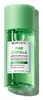
This calming toner is formulated around Centella Asiatica Extract and Ectoin to calm redness and strengthen the skin barrier.
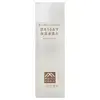
This hydrating toner is formulated around Niacinamide and Ceramide NP to hydrate skin and strengthen the skin barrier.


What's inside
What's inside
 Key Ingredients
Benefits
Ingredients Side-by-side
Water
Skin ConditioningSea Water
HumectantCentella Asiatica Extract
Cleansing





Butylene Glycol
Humectant
Glycerin
Humectant
1,2-Hexanediol
Skin Conditioning
Gentiana Scabra Root Extract
Skin ConditioningPropanediol
Solvent
Sodium Citrate
BufferingXanthan Gum
EmulsifyingEctoin
Skin Conditioning
Ceramide NP
Skin Conditioning
Sebacic Acid
Buffering10-Hydroxydecanoic Acid
Skin ConditioningPanthenol
Skin Conditioning
Ceramide EOP
Skin Conditioning
Ceramide AP
Skin Conditioning
Ethylhexylglycerin
Skin ConditioningViola Yedoensis Extract
Skin ConditioningGlyceryl Caprylate
EmollientCeramide As
Skin Conditioning
Ceramide Ns
Skin Conditioning
Ceramide Ng
Skin Conditioning
Hydroxyacetophenone
Antioxidant
Taraxacum Officinale Rhizome/Root Extract
Skin ConditioningChamomilla Recutita Flower Extract
Masking
Crocus Sativus Flower Extract
MaskingPaeonia Lactiflora Root Extract
Skin ConditioningLonicera Japonica Flower Extract
Skin Conditioning1,10-Decanediol
SolventMalva Sylvestris Flower Extract
Skin ConditioningChrysanthemum Indicum Flower Extract
Skin Conditioning
Taraxacum Mongolicum Extract
Antioxidant
Water, Sea Water, Centella Asiatica Extract, Butylene Glycol, Glycerin, 1,2-Hexanediol, Gentiana Scabra Root Extract, Propanediol, Sodium Citrate, Xanthan Gum, Ectoin, Ceramide NP, Sebacic Acid, 10-Hydroxydecanoic Acid, Panthenol, Ceramide EOP, Ceramide AP, Ethylhexylglycerin, Viola Yedoensis Extract, Glyceryl Caprylate, Ceramide As, Ceramide Ns, Ceramide Ng, Hydroxyacetophenone, Taraxacum Officinale Rhizome/Root Extract, Chamomilla Recutita Flower Extract, Crocus Sativus Flower Extract, Paeonia Lactiflora Root Extract, Lonicera Japonica Flower Extract, 1,10-Decanediol, Malva Sylvestris Flower Extract, Chrysanthemum Indicum Flower Extract, Taraxacum Mongolicum Extract
Water
Skin ConditioningButylene Glycol
Humectant
Glycerin
Humectant
Glycereth-26
Humectant
1,2-Hexanediol
Skin Conditioning
Niacinamide
Smoothing





Ceramide EOP
Skin Conditioning
Ceramide Ng
Skin Conditioning
Ceramide NP
Skin Conditioning
Ceramide Ag
Humectant
Ceramide AP
Skin Conditioning
Glycine Max Seed Extract
Skin ConditioningNatto Gum
Sodium Hyaluronate
Humectant
Sodium Carboxymethyl Hyaluronate
HumectantGlycosyl Trehalose
Emulsion StabilisingHydrogenated Starch Hydrolysate
HumectantPhytosterols
Skin Conditioning
Hydrogenated Lecithin
Emulsifying
Citric Acid
Buffering

Sodium Citrate
BufferingXanthan Gum
EmulsifyingWater, Butylene Glycol, Glycerin, Glycereth-26, 1,2-Hexanediol, Niacinamide, Ceramide EOP, Ceramide Ng, Ceramide NP, Ceramide Ag, Ceramide AP, Glycine Max Seed Extract, Natto Gum, Sodium Hyaluronate, Sodium Carboxymethyl Hyaluronate, Glycosyl Trehalose, Hydrogenated Starch Hydrolysate, Phytosterols, Hydrogenated Lecithin, Citric Acid, Sodium Citrate, Xanthan Gum
Reviews
Ingredients Explained
These ingredients are found in both products.
Ingredients higher up in an ingredient list are typically present in a larger amount.
1,2-Hexanediol is a synthetic liquid and another multi-functional powerhouse.
It is a:
- Humectant, drawing moisture into the skin
- Emollient, helping to soften skin
- Solvent, dispersing and stabilizing formulas
- Preservative booster, enhancing the antimicrobial activity of other preservatives
Butylene Glycol (or BG) is used within cosmetic products for a few different reasons:
Overall, Butylene Glycol is a safe and well-rounded ingredient that works well with other ingredients.
Though this ingredient works well with most skin types, some people with sensitive skin may experience a reaction such as allergic rashes, closed comedones, or itchiness.
Learn more about Butylene GlycolCeramide AP is is a skin-identical lipid that mimics what your skin already makes naturally. Ceramides help maintain epidermal integrity and barrier function.
You'll often see this ingredient paired with other ceramides (like ceramide NP), cholesterol, or fatty acids because this combination best mimics the natural lipid mix your skin already has.
The skin's ability to produce ceramides gets disrupted in skin conditions like eczema. This in turn weakens the skin barrier and applying ceramides topically has been shown to replenish what's been lost to restore barrier function.
Most of the studies with Ceramide AP test it as part of a multi-ceramide complex; studies reinforce ceramide AP's role in rebalancing ceramides in skin and improving skin hydration.
Learn more about Ceramide APCeramide EOP is formally known as Ceramide 1.
It is naturally found in skin and part of the intercellular "mortar" holding everything together in your outermost layer.
EOP stands for a linked Ester fatty acid, a linked Omega hydroxy fatty acid, and the Phytosphingosine base.
What makes Ceramide EOP special is its ultra-long fatty acid chain; this unique structure allows it to bridge the lipid layers in your skin barrier to prevent water loss (something no other ceramide can do).
Low levels of Ceramide EOP have been found in people with eczema and psoriasis.
Using it together with other ceramides, cholesterol, and linoleic acid have been shown to meaningfully improve hydration and reduce water loss.
In one clinical study, a regimen using Ceramide EOP, NP, and AP led to significant symptom improvements in patients with eczema, psoriasis, and dry skin in just 4 weeks.
You'll usually see concentrations between 0.1-0.5% in formulations. Overall, this is a well-tolerated and safe ingredient for cosmetic use.
Learn more about Ceramide EOPCeramide NG is a type of Ceramide. The NG stands for a sphinganine base.
Ceramides are intercellular lipids naturally found in our skin that bonds dead skin cells together to create a barrier. They are known for their ability to hold water and thus are a great ingredient for dry skin.
Ceramides are an important building block for our skin barrier. A stronger barrier helps the skin look more firm and hydrated. By bolstering the skin ceramides act as a barrier against irritating ingredients. This can help with inflammation as well.
If you would like to eat ceramides, sweet potatoes contain a small amount.
Read more about other common types of ceramides here:
Ceramide AP
Ceramide EOP
Ceramide NP
Ceramide NP (formerly known as Ceramide 3) is one of the skin's naturally occurring lipids.
Since ceramides are the major lipid components of the skin, they are crucial for maintaining skin barrier and hydration. Ceramide NP most closely mirrors the dominant kind in human skin amongst ceramide subtypes.
This ceramide works by slotting into gaps within the stratum corneum's lipid matrix to limit trans-epidermal water loss (TEWL) and shield the skin against external irritants.
A study with 312 patients found that using a ceramide-containing routine for 4 weeks reduced the severity of atopic dermatitis by over 61%.
Another clinical study in subjects aged 60 and older found that a ceramide body wash and moisturizer improved skin dryness and itchy skin in 15 days.
Overall, ceramides are considered non-irritating and safety tests have found little to no observable adverse effects from using this ingredient.
Ceramide NP is usually sourced from plants (like soybean or rice bran), or produced synthetically.
Learn more about Ceramide NPGlycerin (or glycerol) is a compound naturally found in your skin. It's a powerhouse humectant that pulls water into the stratum corneum.
Topically, glycerin does several things at once:
Your skin makes glycerin on its own (mostly from sebaceous oil breakdown) and shuttles it to your outermost layer of skin, or your epidermis, via aquaporin-3.
Aquaporin-3 is a transporter that is essential for normal skin hydration, elasticity, and repair. Interestingly, mice lacking in AQP3 have dry and less elastic skin that can be fully corrected with glycerin.
This ingredient is non-irritating, plays well with almost every ingredient, and works across all skin types. Typical use is anywhere between 3-10% but can go up to 79% in some leave-on products.
Just know very high concentrations (>40%) can feel tacky in low humidity.
Glycerin is the name for this ingredient in American English. British English uses Glycerol/Glycerine.
Learn more about GlycerinSodium Citrate is the sodium salts of citric acid. In skincare, it is used to alter pH levels and acts as a preservative.
Its main functions are to maintain the pH of a product and neutralize metal ions.
The acidity of our skin is maintained by our glands and skin biome; normal pH level of skin is slightly acidic (~4.75-5.5).
Being slightly acidic allows our skin to create an "acid mantle". This acid mantle is a thin barrier that protects our skin from bacteria and contaminants.
Learn more about Sodium CitrateWater. It's the most common cosmetic ingredient of all. You'll usually see it at the top of ingredient lists, meaning that it makes up the largest part of the product.
So why is it so popular? Water most often acts as a solvent - this means that it helps dissolve other ingredients into the formulation.
You'll also recognize water as that liquid we all need to stay alive. If you see this, drink a glass of water. Remember to stay hydrated!
Learn more about WaterXanthan gum is used as a stabilizer and thickener within cosmetic products. It helps give products a sticky, thick feeling - preventing them from being too runny.
On the technical side of things, xanthan gum is a polysaccharide - a combination consisting of multiple sugar molecules bonded together.
Xanthan gum is a pretty common and great ingredient. It is a natural, non-toxic, non-irritating ingredient that is also commonly used in food products.
Learn more about Xanthan Gum

