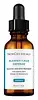
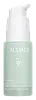
SkinCeuticals Blemish + Age Defense Versus Caudalie Vinopure Natural Salicylic Acid Pore Minimizing Serum
This acne serum is formulated around Glycolic Acid and Salicylic Acid to clear breakouts and soften the look of wrinkles.
This pore-care serum is formulated around Rosa Damascena Flower Water and Niacinamide to refine the look of pores and clear breakouts.


What's inside
What's inside
 Key Ingredients
Benefits
Concerns
Ingredients Side-by-side
Glycolic Acid 3.5%
Buffering











Dierucic Acid 2%
Skin ConditioningSalicylic Acid 1.5%
Masking



Citric Acid 0.5%
Buffering
Alcohol Denat.
Antimicrobial
Water
Skin ConditioningMethylpropanediol
SolventDiisopropyl Adipate
EmollientOctadecenedioic Acid
Emulsifying
Sodium Hydroxide
BufferingHydroxyethylpiperazine Ethane Sulfonic Acid
BufferingCapryloyl Salicylic Acid
Exfoliating
Polyquaternium-10
Tocopherol
Antioxidant




Helianthus Annuus Seed Oil
Emollient

Glycolic Acid 3.5%, Dierucic Acid 2%, Salicylic Acid 1.5%, Citric Acid 0.5%, Alcohol Denat., Water, Methylpropanediol, Diisopropyl Adipate, Octadecenedioic Acid, Sodium Hydroxide, Hydroxyethylpiperazine Ethane Sulfonic Acid, Capryloyl Salicylic Acid, Polyquaternium-10, Tocopherol, Helianthus Annuus Seed Oil
Water
Skin ConditioningRosa Damascena Flower Water
Masking
Alcohol
Antimicrobial
Niacinamide
Smoothing
Butylene Glycol
Humectant
Palmitoyl Grape Seed Extract
Skin ConditioningXanthan Gum
EmulsifyingSalicylic Acid
Masking
Sodium Hyaluronate
Humectant
Tocopherol
Antioxidant
Pelargonium Graveolens Flower Oil
Masking


Sodium Hydroxide
BufferingMentha Piperita Oil
Masking
Citral
Perfuming
Cymbopogon Citratus Leaf Oil
Masking
Rosmarinus Officinalis Leaf Oil
Masking
Citronellol
Perfuming
Geraniol
Perfuming
Sodium Phytate
ChelatingLinalool
Perfuming
Lavandula Hybrida Oil
Emollient
Melissa Officinalis Leaf Oil
Masking
Limonene
Perfuming
Water, Rosa Damascena Flower Water, Alcohol, Niacinamide, Butylene Glycol, Palmitoyl Grape Seed Extract, Xanthan Gum, Salicylic Acid, Sodium Hyaluronate, Tocopherol, Pelargonium Graveolens Flower Oil, Sodium Hydroxide, Mentha Piperita Oil, Citral, Cymbopogon Citratus Leaf Oil, Rosmarinus Officinalis Leaf Oil, Citronellol, Geraniol, Sodium Phytate, Linalool, Lavandula Hybrida Oil, Melissa Officinalis Leaf Oil, Limonene
Reviews
Ingredients Explained
These ingredients are found in both products.
Ingredients higher up in an ingredient list are typically present in a larger amount.
Salicylic Acid (also known as beta hydroxy acid or BHA) is a well-known ingredient for treating skin that struggles with acne and clogged pores. It exfoliates both the skin's surface and deep within the pores to help clear out buildup, control oil, and reduce inflammation.
Unlike AHAs (alpha hydroxy acids), salicylic acid is oil-soluble. This allows it to penetrate into pores which makes it especially effective for treating blackheads and preventing future breakouts.
Salicylic acid is also known for its soothing properties. It has a similar structure to aspirin and can calm inflamed or irritated skin, making it a good option for acne-prone skin that is also sensitive.
Concentrations of 0.5-2% are recognized by the U.S. FDA as an over-the-counter topical acne product.
It can cause irritation and/or dryness if one's skin already has a compromised moisture barrier, so it's best to focus on repairing that before introducing this ingredient into your routine.
While salicylic acid does not increase sun sensitivity, it’s still important to wear sunscreen daily to protect your skin.
If you are looking for the ingredient called BHA or Butylated Hydroxyanisole, click here.
Learn more about Salicylic AcidSodium Hydroxide is also known as lye or caustic soda. It is used to adjust the pH of products; many ingredients require a specific pH to be effective.
In small amounts, sodium hydroxide is considered safe to use. However, large amounts may cause chemical burns due to its high alkaline.
Your skin has a natural pH and acid mantle. This acid mantle helps prevent harmful bacteria from breaking through. The acid mantle also helps keep your skin hydrated.
"Alkaline" refers to a high pH level. A low pH level would be considered acidic.
Learn more about Sodium HydroxideTocopherol is a fat-soluble antioxidant known as Vitamin E.
You'll find this ingredient in the vast majority of skincare (for good reason). It works to neutralize free radicals, or unstable molecules generated by UV exposure, pollution, and other environmental stressors, before they can cause oxidative damage to your skin cells.
Topically applied tocopherol has been shown to protect against UV damage by ramping up the skin's own natural defense enzymes.
It also acts as a skin conditioning agent; some studies show that regular topical use can improve the skin's water-binding capacity over 2-4 weeks.
This ingredient is especially loved for being a team player. When combined with Vitamin C, the photoprotective effect of both ingredients roughly doubles and the combo also helps reduce UV-induced DNA damage.
This ingredient has some brightening potential but it's more of a prevention ingredient than spot-fader. Cell studies show it can slow down melanin production but it's worth noting that it's not the most powerful brightener out there.
In formulations, it also serves as a stabilizer that helps protect other oxidation-prone ingredients from degrading.
Concentrations usually range from 0.1-1% in most leave-on products.
Learn more about TocopherolWater. It's the most common cosmetic ingredient of all. You'll usually see it at the top of ingredient lists, meaning that it makes up the largest part of the product.
So why is it so popular? Water most often acts as a solvent - this means that it helps dissolve other ingredients into the formulation.
You'll also recognize water as that liquid we all need to stay alive. If you see this, drink a glass of water. Remember to stay hydrated!
Learn more about Water

