
What's inside
What's inside
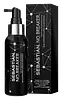 Key Ingredients
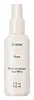
Benefits
Concerns
Ingredients Side-by-side
Water
Skin ConditioningPropylene Glycol
Humectant


Behentrimonium Chloride
Preservative
Amodimethicone

Quaternium-80
Cetrimonium Chloride
Antimicrobial
Isopropyl Alcohol
Solvent


Panthenol
Skin Conditioning



Pvp
Emulsion StabilisingParfum
Masking

Methylparaben
Preservative

Trideceth-12
EmulsifyingDisodium EDTA
ChelatingPhenoxyethanol
Preservative
Sodium Hydroxide
BufferingCitric Acid
Buffering

Hexyl Cinnamal
Perfuming
Benzyl Salicylate
Perfuming
Linalool
Perfuming
Citronellol
Perfuming
Hydroxycitronellal
Perfuming
Alpha-Isomethyl Ionone
Perfuming
Amyl Cinnamal
Perfuming
Geraniol
Perfuming
BHT
Antioxidant
Water, Propylene Glycol, Behentrimonium Chloride, Amodimethicone, Quaternium-80, Cetrimonium Chloride, Isopropyl Alcohol, Panthenol, Pvp, Parfum, Methylparaben, Trideceth-12, Disodium EDTA, Phenoxyethanol, Sodium Hydroxide, Citric Acid, Hexyl Cinnamal, Benzyl Salicylate, Linalool, Citronellol, Hydroxycitronellal, Alpha-Isomethyl Ionone, Amyl Cinnamal, Geraniol, BHT
Water
Skin ConditioningSea Salt
Abrasive
Alcohol
Antimicrobial
Oryza Sativa Extract
Absorbent

Aroma
Spirulina Platensis Extract
Skin ProtectingPyrus Malus Fruit Extract
Skin Conditioning
Glycerin
Humectant
Citrus Madurensis Fruit Juice
Skin ConditioningCitrus Aurantium Bergamia Fruit Oil
Masking

Polyglycerin-3
Humectant
Decyl Glucoside
Cleansing
Polyglyceryl-4 Caprate
EmulsifyingVanilla Planifolia Fruit Oil
Emollient
Santalum Spicatum Wood Oil
Perfuming
Piper Nigrum Fruit Oil
Masking
Citrus Limon Peel Oil
Masking
Phenethyl Alcohol
MaskingCaprylyl Glycol
Emollient
Sodium Cocoyl Glutamate
Cleansing
Polyglyceryl-10 Myristate
Skin Conditioning
Glyceryl Caprylate
EmollientCitric Acid
Buffering
Limonene
Perfuming
Anise Alcohol
Perfuming
Citral
Perfuming
Linalool
Perfuming
Water, Sea Salt, Alcohol, Oryza Sativa Extract, Aroma, Spirulina Platensis Extract, Pyrus Malus Fruit Extract, Glycerin, Citrus Madurensis Fruit Juice, Citrus Aurantium Bergamia Fruit Oil, Polyglycerin-3, Decyl Glucoside, Polyglyceryl-4 Caprate, Vanilla Planifolia Fruit Oil, Santalum Spicatum Wood Oil, Piper Nigrum Fruit Oil, Citrus Limon Peel Oil, Phenethyl Alcohol, Caprylyl Glycol, Sodium Cocoyl Glutamate, Polyglyceryl-10 Myristate, Glyceryl Caprylate, Citric Acid, Limonene, Anise Alcohol, Citral, Linalool
Ingredients Explained
These ingredients are found in both products.
Ingredients higher up in an ingredient list are typically present in a larger amount.
Citric Acid is an alpha hydroxy acid (AHA) naturally found in citrus fruits like oranges, lemons, and limes.
Like other AHAs, citric acid can exfoliate skin by breaking down the bonds that hold dead skin cells together. This helps reveal smoother and brighter skin underneath.
However, this exfoliating effect only happens at high concentrations (20%) which can be hard to find in cosmetic products.
Due to this, citric acid is usually included in small amounts as a pH adjuster. This helps keep products slightly more acidic and compatible with skin's natural pH.
In skincare formulas, citric acid can:
While it can provide some skin benefits, research shows lactic acid and glycolic acid are generally more effective and less irritating exfoliants.
Most citric acid used in skincare today is made by fermenting sugars (usually from molasses). This synthetic version is identical to the natural citrus form but easier to stabilize and use in formulations.
Rosacea skin has a lower threshold for acids generally, with 62.5% of rosacea subjects in one study reacting to lactic acid in a sting test. This is why we mark citric acid as a potential rosacea trigger.
However, this ingredient shows up as a pH adjuster or chelator at roughly 0.1-1% in many products. These low levels are unlikely to be an issue for rosacea skin and becomes a potential trigger at exfoliating concentrations (20%). Because everybody's skin is unique, we recommend a patch test if you are unsure.
Learn more about Citric AcidLinalool is a small, naturally occurring scent molecule found in plants like lavender, coriander, bergamot, and more.
It is one of the two most-used fragrance ingredients in cosmetics and added purely for smell. Since it's not used for a skin benefit, there's no "effective dose". Concentration depends on the fragrance load of the product.
The EU requires it to be named on the label above 0.001% in leave-on and 0.01% in rinse-off products.
Fresh linalool is a weak sensitizer but air exposure turns some of it into hydroperoxides, which are strong sensitizers. Those oxidation products are the actual allergy concern.
Patch-test clinics see positive reactions to linalool hydroperoxides in about 4% to 12% of dermatitis patients depending on country and test concentration.
Resassuringly, one analytical study found hydroperoxide levels in real fragranced products to be orders of magnitude below what induced sensitization in animal studies with no evidence of oxidation building up during normal storage.
The practical takeaway is that linalool is fine for most people but worth avoiding if you have a confirmed fragrance contact allergy or a badly compromised barrier.
Products stored a long time after opening are also the high-risk scenario since that is when oxidation happens.
The scent of linalool is described as floral, spicy tropical, and citrus-like.
Learn more about LinaloolWater. It's the most common cosmetic ingredient of all. You'll usually see it at the top of ingredient lists, meaning that it makes up the largest part of the product.
So why is it so popular? Water most often acts as a solvent - this means that it helps dissolve other ingredients into the formulation.
You'll also recognize water as that liquid we all need to stay alive. If you see this, drink a glass of water. Remember to stay hydrated!
Learn more about Water

