Scrandie Beauty Hide 'n Sleek Reflective Concealer Base Versus Phytosurgence Spectral Shine Radiance Balms


What's inside
What's inside
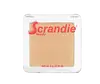 Key Ingredients
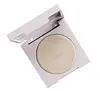
No key ingredients
Benefits
Concerns
Ingredients Side-by-side
Glyceryl Triacetyl Hydroxystearate
EmollientHydrogenated Polyisobutene
EmollientEuphorbia Cerifera Wax


Synthetic Beeswax
Emulsion Stabilising
Mica
Cosmetic ColorantC18-38 Alkyl Hydroxystearoyl Stearate
EmollientTrihydroxystearin
Skin Conditioning
Phenoxyethanol
Preservative
Ethylhexyl Methoxycinnamate
UV Absorber


Tocopheryl Acetate
Antioxidant


Ethylhexyl Salicylate
UV Absorber
Butyl Methoxydibenzoylmethane
UV Absorber
Parfum
Masking


Ethylhexylglycerin
Skin ConditioningBenzyl Salicylate
Perfuming
Benzyl Benzoate
Antimicrobial
Hexamethylindanopyran
Masking
Coumarin
Perfuming
Vanillin
Masking
Tetramethyl Acetyloctahydronaphthalenes
Masking
Acetyl Cedrene
Linalool
Perfuming
Butylphenyl Methylpropional
Perfuming
Citronellol
Perfuming
Linalyl Acetate
Masking
Dimethyl Phenylethyl Carbinyl Acetate
Perfuming
Geraniol
Perfuming
Terpineol
Masking
Cinnamyl Alcohol
Perfuming
L-Beta-Pinene
Perfuming
Camphor
Masking
Pinene
Masking
Alpha-Terpineol
Perfuming
Beta-Caryophyllene
Masking
Citral
Perfuming
Limonene
Perfuming
CI 77891
Cosmetic ColorantCI 77491
Cosmetic ColorantGlyceryl Triacetyl Hydroxystearate, Hydrogenated Polyisobutene, Euphorbia Cerifera Wax, Synthetic Beeswax, Mica, C18-38 Alkyl Hydroxystearoyl Stearate, Trihydroxystearin, Phenoxyethanol, Ethylhexyl Methoxycinnamate, Tocopheryl Acetate, Ethylhexyl Salicylate, Butyl Methoxydibenzoylmethane, Parfum, Ethylhexylglycerin, Benzyl Salicylate, Benzyl Benzoate, Hexamethylindanopyran, Coumarin, Vanillin, Tetramethyl Acetyloctahydronaphthalenes, Acetyl Cedrene, Linalool, Butylphenyl Methylpropional, Citronellol, Linalyl Acetate, Dimethyl Phenylethyl Carbinyl Acetate, Geraniol, Terpineol, Cinnamyl Alcohol, L-Beta-Pinene, Camphor, Pinene, Alpha-Terpineol, Beta-Caryophyllene, Citral, Limonene, CI 77891, CI 77491
Limnanthes Alba Seed Oil
Skin Conditioning

Hydrogenated Polyisobutene
EmollientIsododecane
EmollientAcrylates/Dimethicone Copolymer
Skin Conditioning
Stearic Acid
Cleansing
Copernicia Cerifera Wax
Hydrogenated Olive Oil
Skin Conditioning
Olea Europaea Fruit Oil
Masking
Olea Europaea Oil Unsaponifiables
Skin Conditioning
Boron Nitride
Absorbent
Silica Dimethyl Silylate
EmollientPhenoxyethanol
Preservative
Caprylyl Glycol
Emollient
Sorbic Acid
Preservative
CI 77891
Cosmetic ColorantMica
Cosmetic ColorantCI 77491
Cosmetic ColorantCI 77499
Cosmetic ColorantLimnanthes Alba Seed Oil, Hydrogenated Polyisobutene, Isododecane, Acrylates/Dimethicone Copolymer, Stearic Acid, Copernicia Cerifera Wax, Hydrogenated Olive Oil, Olea Europaea Fruit Oil, Olea Europaea Oil Unsaponifiables, Boron Nitride, Silica Dimethyl Silylate, Phenoxyethanol, Caprylyl Glycol, Sorbic Acid, CI 77891, Mica, CI 77491, CI 77499
Alternatives
Ingredients Explained
These ingredients are found in both products.
Ingredients higher up in an ingredient list are typically present in a larger amount.
Ci 77491 is also hydrated iron III oxide. It's sole purpose is to give a red/pink hue to products.
Iron III oxides are classified as inorganic chemicals for coloring.
Synthetically created Ci 77491 is considered safer than those naturally found. This is because the synthetically created version may contain less impurities. Iron oxides are generally non-toxic and non-allergenic.
Learn more about CI 77491Ci 77891 is a white pigment from Titanium dioxide. It is naturally found in minerals such as rutile and ilmenite.
It's main function is to add a white color to cosmetics. It can also be mixed with other colors to create different shades.
Ci 77891 is commonly found in sunscreens due to its ability to block UV rays.
Learn more about CI 77891Hydrogenated Polyisobutene is a synthetic polymer. Polymers are compounds with high molecular weight. Hydrogenated Polyisobutene is an emollient and texture enhancer.
In one study, Hydrogenated Polyisobutene showed better skin hydration levels than Caprylic/Capric Triglyceride. As an emollient, it helps keep your skin soft and hydrated by trapping moisture in.
Hydrogenated Polyisobutene is often used as a mineral oil replacement.
Learn more about Hydrogenated PolyisobuteneMica is a naturally occurring mineral used to add shimmer and color in cosmetics. It can also help improve the texture of a product or give it an opaque, white/silver color.
Serecite is the name for very fine but ragged grains of mica.
This ingredient is often coated with metal oxides like titanium dioxide. Trace amounts of heavy metals may be found in mica, but these metals are not harmful in our personal products.
Mica has been used since prehistoric times throughout the world. Ancient Egyptian, Indian, Greek, Roman, Aztec, and Chinese civilizations have used mica.
Learn more about MicaPhenoxyethanol is one of the most widely used preservatives in skincare (and for good reason!).
It has a large spectrum of antimicrobial activity and especially effective bacteria, yeast, and mold while only having a weak effect on your skin's natural microbiome.
On a cellular level, it disrupts the cell membranes of microbes by poking holes that make the cell leak. This shuts down the chemical reactions the microbe needs to make energy so it can no longer survive.
Another perk of this ingredient is that it stays functional across a wide pH range (3-10).
You'll often see it paired with boosters like Ethylhexylglycerin; one study showed that a 1:9 ratio of Ethylhexylglycerin to Phenoxyethanol damages bacterial membranes as effectively as doubling the Phenoxyethanol concentration on its own.
Typical use concentrations range from 0.3-1% depending on the formula, and this ingredient is capped at 1% int the EU.
Safety-wise, the fear mongering does not hold up to the evidence. The EU's Scientific Committee on Consumer Safety and FDA consider it safe as a preservative at up to 1%, including for children of all ages.
Adverse systemic effects only showed up in animal studies at exposures roughly 200x higher than what people get from cosmetics. And despite its very widespread use, this ingredient is a rare sensitizer and allergic reactions are uncommon.
Learn more about Phenoxyethanol

