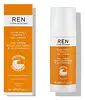
This brightening moisturizer is formulated around Ascorbyl Glucoside and Hippophae Rhamnoides Oil to brighten dull-looking skin and fade the look of dark spots.
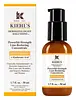
This anti-aging serum is formulated around Ascorbic Acid and Ascorbyl Glucoside to soften the look of wrinkles and brighten dull-looking skin.


What's inside
What's inside
 Key Ingredients
Benefits
Concerns
Ingredients Side-by-side
Water
Skin ConditioningGlycerin
Humectant


Cetearyl Ethylhexanoate
Emollient

Lauryl Laurate
Skin Conditioning
Cetearyl Alcohol
Emollient




Tapioca Starch
Ascorbyl Glucoside
Antioxidant



Hydroxyacetophenone
Antioxidant
Carbomer
Emulsion StabilisingPhenoxyethanol
Preservative
Cetearyl Glucoside
Emulsifying
Mannitol
Humectant
Faex Extract
Skin ConditioningCitrus Grandis Peel Oil
Masking




Hippophae Rhamnoides Oil
Emollient
Parfum
Masking
Citrus Aurantium Dulcis Flower Oil
Astringent
Tocopherol
Antioxidant

Citrus Nobilis Peel Oil
Masking
Citrus Tangerina Peel Oil
Masking
Diglucosyl Gallic Acid
Glycogen
HumectantMagnesium Ascorbyl Phosphate
Antioxidant

Ammonium Bicarbonate
BufferingGlucose
Humectant
Helianthus Annuus Seed Oil
Emollient
Rosmarinus Officinalis Leaf Extract
AntimicrobialSodium Hydroxide
BufferingCitral
Perfuming
Limonene
Perfuming
Linalool
Perfuming
Water, Glycerin, Cetearyl Ethylhexanoate, Lauryl Laurate, Cetearyl Alcohol, Tapioca Starch, Ascorbyl Glucoside, Hydroxyacetophenone, Carbomer, Phenoxyethanol, Cetearyl Glucoside, Mannitol, Faex Extract, Citrus Grandis Peel Oil, Hippophae Rhamnoides Oil, Parfum, Citrus Aurantium Dulcis Flower Oil, Tocopherol, Citrus Nobilis Peel Oil, Citrus Tangerina Peel Oil, Diglucosyl Gallic Acid, Glycogen, Magnesium Ascorbyl Phosphate, Ammonium Bicarbonate, Glucose, Helianthus Annuus Seed Oil, Rosmarinus Officinalis Leaf Extract, Sodium Hydroxide, Citral, Limonene, Linalool
Propylene Glycol
Humectant
Dimethicone
Emollient
Glycerin
Humectant
Ascorbic Acid
Antioxidant
Ethylhexyl Palmitate
Emollient
Cetyl PEG/PPG-10/1 Dimethicone
Emulsifying
Dimethicone Crosspolymer
Emulsion Stabilising
Ascorbyl Glucoside
Antioxidant
Cyclohexasiloxane
Emollient
Hydroxyethylpiperazine Ethane Sulfonic Acid
BufferingLauroyl Lysine
Skin Conditioning
Acrylonitrile/Methyl Methacrylate/Vinylidene Chloride Copolymer
Polysilicone-11
Adenosine
Skin Conditioning
Hydrolyzed Hyaluronic Acid
Humectant
Limonene
Perfuming
Isobutane
Citrus Aurantium Dulcis Peel Oil
Masking
Citrus Limon Peel Oil
Masking
Citral
Perfuming
Pentaerythrityl Tetra-Di-T-Butyl Hydroxyhydrocinnamate
Antioxidant
Propylene Glycol, Dimethicone, Glycerin, Ascorbic Acid, Ethylhexyl Palmitate, Cetyl PEG/PPG-10/1 Dimethicone, Dimethicone Crosspolymer, Ascorbyl Glucoside, Cyclohexasiloxane, Hydroxyethylpiperazine Ethane Sulfonic Acid, Lauroyl Lysine, Acrylonitrile/Methyl Methacrylate/Vinylidene Chloride Copolymer, Polysilicone-11, Adenosine, Hydrolyzed Hyaluronic Acid, Limonene, Isobutane, Citrus Aurantium Dulcis Peel Oil, Citrus Limon Peel Oil, Citral, Pentaerythrityl Tetra-Di-T-Butyl Hydroxyhydrocinnamate
Reviews
Ingredients Explained
These ingredients are found in both products.
Ingredients higher up in an ingredient list are typically present in a larger amount.
Ascorbyl Glucoside (AA-2G) is one of the most stable vitamin C derivatives out there.
It's made by attaching a glucose molecule to ascorbic acid; this glucose "cap" shields the vitamin C from air, light, heat, and metal ions that normally cause pure ascorbic acid to oxidize.
Once on your skin, the enzyme alpha-glucosidase snips off the glucose and gradually releases active ascorbic acid right where it's needed. Basically, it behaves like a slow-release pro-vitamin C with less of a stinging that high-strength ascorbic acid can cause.
The research supports the classic vitamin C benefits as well. In lab and human studies, AA-2G slowed down the skin's production of melanin (the pigment behind dark spots) and helped shield skin cells against sun damage better than ascorbyl phosphate.
These studies also showed AA-2G released vitamin C over a longer period.
A frequently cited manufacturer trial found that a 2% AA-2G face cream significantly improved wrinkle depth and skin roughness after 45 days.
And in 2009, a clinical trial showed it meaningfully lightened dark patches on the gums compared to a placebo.
There's also collagen-synthesis support (since vitamin C is a required cofactor for that) and an antioxidant effect too.
Typical usage is usually between 0.5-5% and most studies/products land around 2%.
AA-2G performs best when formulated at a mildly acidic pH (~5-7) which is much gentler than the pH that pure vitamin C demands (~2.5-3.5).
Just one thing worth knowing: the in-skin conversation rate is only about 55-60% by weight. So a 5% AA-2G product delivers roughly 2.75-3% of actual active vitamin C. On top of that, skin absorption is relatively low because the ingredient is water-soluble.
Learn more about Ascorbyl GlucosideCitral is the molecule responsible for the fresh lemon scent in lemon, lime, and lemongrass. It is a fragrance ingredient that can be created from plant essential oils or synthetically.
Though Citral has documented antimicrobial activity against acne bacteria (which is where the marketing claims about it being good for acne-prone skin originate), real formulas use it at fragrance-level concentrations under 1% so there's likely no skin benefit.
You should know this ingredient is a known EU fragrance allergen.
Animal studies classifies this ingredient as a weak-to-moderate skin sensitizer and clinical patch testing on eczema patients confirmed it to be both a contact allergen and irritant.
The term 'citral' is a collective term for two geometric isomers: geranial/Citral A and neral/Citral B.
The term 'fragrance' is not regulated in many countries. In many cases, it is up to the brand to define this term. For instance, many brands choose to label themselves as "fragrance-free" because they are not using synthetic fragrances. However, their products may still contain ingredients such as essential oils that are considered a fragrance.
Learn more about CitralGlycerin (or glycerol) is a compound naturally found in your skin. It's a powerhouse humectant that pulls water into the stratum corneum.
Topically, glycerin does several things at once:
Your skin makes glycerin on its own (mostly from sebaceous oil breakdown) and shuttles it to your outermost layer of skin, or your epidermis, via aquaporin-3.
Aquaporin-3 is a transporter that is essential for normal skin hydration, elasticity, and repair. Interestingly, mice lacking in AQP3 have dry and less elastic skin that can be fully corrected with glycerin.
This ingredient is non-irritating, plays well with almost every ingredient, and works across all skin types. Typical use is anywhere between 3-10% but can go up to 79% in some leave-on products.
Just know very high concentrations (>40%) can feel tacky in low humidity.
Glycerin is the name for this ingredient in American English. British English uses Glycerol/Glycerine.
Learn more about GlycerinLimonene is a fragrance that adds scent and taste to a formulation.
It's found in the peel oil of citrus fruits and other plants such as lavender and eucalyptus. The scent of limonene is generally described as "sweet citrus".
Limonene acts as an antioxidant, meaning it helps neutralize free radicals.
When exposed to air, oxidized limonene may sensitize the skin. Because of this, limonene is often avoided by people with sensitive skin.
The term 'fragrance' is not regulated in many countries. In many cases, it is up to the brand to define this term. For instance, many brands choose to label themselves as "fragrance-free" because they are not using synthetic fragrances. However, their products may still contain ingredients such as essential oils that are considered a fragrance.
Learn more about Limonene

