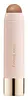
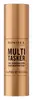
Rare Beauty Warm Wishes Effortless Bronzer Stick Versus Rimmel London Multi Tasker 3 In 1 Bronzing Stick


What's inside
What's inside
 Key Ingredients
Benefits
Concerns
Ingredients Side-by-side
Isodecyl Isononanoate
EmollientSilica
Abrasive


C12-15 Alkyl Benzoate
AntimicrobialOctyldodecyl Stearoyl Stearate
Emollient

Isodecyl Neopentanoate
EmollientPolyethylene
Abrasive
Methyl Methacrylate Crosspolymer
Dicalcium Phosphate
Abrasive
Limnanthes Alba Seed Oil
Skin Conditioning

Synthetic Fluorphlogopite
Aluminum Hydroxide
EmollientBHT
Antioxidant
Gardenia Florida Fruit Extract
Skin ConditioningHelianthus Annuus Seed Oil
Emollient
Nelumbo Nucifera Flower Extract
Skin ConditioningNymphaea Odorata Root Extract
RefreshingPentaerythrityl Tetra-Di-T-Butyl Hydroxyhydrocinnamate
Antioxidant
Tocopheryl Acetate
Antioxidant

Ultramarines
CI 77492
Cosmetic ColorantCI 77491
Cosmetic ColorantCI 77499
Cosmetic ColorantCI 77891
Cosmetic ColorantCI 42090
Cosmetic ColorantIsodecyl Isononanoate, Silica, C12-15 Alkyl Benzoate, Octyldodecyl Stearoyl Stearate, Isodecyl Neopentanoate, Polyethylene, Methyl Methacrylate Crosspolymer, Dicalcium Phosphate, Limnanthes Alba Seed Oil, Synthetic Fluorphlogopite, Aluminum Hydroxide, BHT, Gardenia Florida Fruit Extract, Helianthus Annuus Seed Oil, Nelumbo Nucifera Flower Extract, Nymphaea Odorata Root Extract, Pentaerythrityl Tetra-Di-T-Butyl Hydroxyhydrocinnamate, Tocopheryl Acetate, Ultramarines, CI 77492, CI 77491, CI 77499, CI 77891, CI 42090
Octyldodecanol
Emollient
Caprylic/Capric Triglyceride
Masking

Diisostearyl Malate
EmollientIsocetyl Stearoyl Stearate
Emollient
Ricinus Communis Seed Oil
Masking
Euphorbia Cerifera Cera
Astringent
Microcrystalline Wax
Emulsion StabilisingHelianthus Annuus Seed Wax
Skin Conditioning
Bis-Diglyceryl Polyacyladipate-2
Emollient
C10-18 Triglycerides
Emollient
Silica
Abrasive
Diethylhexyl Syringylidenemalonate
Skin Protecting
Ascorbyl Palmitate
Antioxidant

Caprylyl Glycol
Emollient
Phenoxyethanol
Preservative
Tocopherol
Antioxidant


Helianthus Annuus Seed Oil
Emollient
Hexylene Glycol
EmulsifyingCI 77491
Cosmetic ColorantCI 77492
Cosmetic ColorantCI 77499
Cosmetic ColorantCI 77891
Cosmetic ColorantOctyldodecanol, Caprylic/Capric Triglyceride, Diisostearyl Malate, Isocetyl Stearoyl Stearate, Ricinus Communis Seed Oil, Euphorbia Cerifera Cera, Microcrystalline Wax, Helianthus Annuus Seed Wax, Bis-Diglyceryl Polyacyladipate-2, C10-18 Triglycerides, Silica, Diethylhexyl Syringylidenemalonate, Ascorbyl Palmitate, Caprylyl Glycol, Phenoxyethanol, Tocopherol, Helianthus Annuus Seed Oil, Hexylene Glycol, CI 77491, CI 77492, CI 77499, CI 77891
Reviews
Alternatives
Ingredients Explained
These ingredients are found in both products.
Ingredients higher up in an ingredient list are typically present in a larger amount.
Ci 77491 is also hydrated iron III oxide. It's sole purpose is to give a red/pink hue to products.
Iron III oxides are classified as inorganic chemicals for coloring.
Synthetically created Ci 77491 is considered safer than those naturally found. This is because the synthetically created version may contain less impurities. Iron oxides are generally non-toxic and non-allergenic.
Learn more about CI 77491CI 77492 is also hydrated iron III oxide. It's sole purpose is to give a yellow hue to products.
Iron III oxides are classified as inorganic chemicals for coloring.
Synthetically created CI 77492 is considered safer than those naturally found. This is because the synthetically created version may contain less impurities. Iron oxides are generally non-toxic and non-allergenic.
Learn more about CI 77492Ci 77499 is also hydrated iron III oxide. It is created from mixing red and black iron oxides. This helps give shades of darkness to a product.
Iron III oxides are classified as inorganic chemicals for coloring.
Ci 77891 is a white pigment from Titanium dioxide. It is naturally found in minerals such as rutile and ilmenite.
It's main function is to add a white color to cosmetics. It can also be mixed with other colors to create different shades.
Ci 77891 is commonly found in sunscreens due to its ability to block UV rays.
Learn more about CI 77891Helianthus Annuus Seed Oil is a plant oil derived from the seeds of a sunflower.
It is rich in fatty acids, primarily linoleic acid and oleic acid. This gives it emollient and skin conditioning properties.
The reason this ingredient is so effective is because it forms a thin film on the skin that reduces transepidermal water loss (TEWL) while supplying linoleic acid to the stratum corneum to improve barrier strength.
The high linoleic acid content is particularly noteworthy for acne-prone skin.
Research suggests that acne-prone skin tends to be deficient in linoleic acid in sebum. Topical application may help replenish this to support a healthier follicular environment and less comedone-promoting sebum.
One randomized study found sunflower seed oil preserved skin barrier integrity in adult volunteers with and without atopic dermatitis (outperforming olive oil).
This ingredient is well-studied, gentle, and an effective emollient suitable for most skin types.
On fungal acne: This ingredient may not be Fungal acne (Malassezia folliculitis) safe. This is because it contains fatty acids with carbon chain lengths in the C11-C24 range.
Learn more about Helianthus Annuus Seed OilSilica, also known as silicon dioxide, is a naturally occurring mineral. It is used as a fine, spherical, and porous powder in cosmetics.
Though it has exfoliant properties, the function of silica varies depending on the product.
The unique structure of silica enhances the spreadability and adds smoothness, making it a great texture enhancer.
It is also used as an active carrier, emulsifier, and mattifier due to its ability to absorb excess oil.
In some products, tiny microneedles called spicules are made from silica or hydrolyzed sponge. When you rub them in, they lightly polish away dead skin layers and enhance the penetration of active ingredients.
Learn more about Silica

