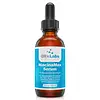
This oil-control serum is formulated around Niacinamide and Melaleuca Alternifolia Leaf Oil to balance excess oil and clear breakouts.
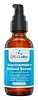
This anti-aging serum is formulated around Hyaluronic Acid and Niacinamide to soften the look of wrinkles and refine skin texture.

What's inside
What's inside
 Key Ingredients
Benefits
Concerns
Ingredients Side-by-side
Water
Skin ConditioningNiacinamide
Smoothing











Polysorbate 20
Emulsifying

Dimethyl Isosorbide
SolventPropanediol
Solvent
Melaleuca Alternifolia Leaf Oil
Antioxidant





Pantothenic Acid
Skin ConditioningAllantoin
Skin Conditioning
Hydroxyethylcellulose
Emulsion StabilisingCalendula Officinalis Extract
Skin Conditioning
Tocopherol
Antioxidant
Phenoxyethanol
Preservative
Caprylyl Glycol
Emollient
Sorbic Acid
Preservative
Triethanolamine
BufferingWater
Skin ConditioningHyaluronic Acid
Humectant
Hamamelis Virginiana Water
Astringent
Glycerin
Humectant
Aloe Barbadensis Leaf Juice
Skin Conditioning
Niacinamide
Smoothing
Triticum Vulgare Germ Oil
Emollient

Simmondsia Chinensis Seed Oil
Emollient
Retinol
Skin Conditioning
Tocopherol
Antioxidant
Camellia Sinensis Leaf Extract
Antimicrobial
Propolis Extract
Skin Conditioning
Centella Asiatica Extract
Cleansing
Equisetum Arvense Extract
AstringentGeranium Maculatum Extract
TonicTaraxacum Officinale Extract
Skin ConditioningPentylene Glycol
Skin Conditioning
Hydroxyethyl Ethylcellulose
EmulsifyingCarrageenan
Polysorbate 20
Emulsifying
Potassium Sorbate
Preservative
Sodium Benzoate
Masking
Alcohol
Antimicrobial
Lecithin
Emollient
Ethylhexylglycerin
Skin ConditioningWater, Hyaluronic Acid, Hamamelis Virginiana Water, Glycerin, Aloe Barbadensis Leaf Juice, Niacinamide, Triticum Vulgare Germ Oil, Simmondsia Chinensis Seed Oil, Retinol, Tocopherol, Camellia Sinensis Leaf Extract, Propolis Extract, Centella Asiatica Extract, Equisetum Arvense Extract, Geranium Maculatum Extract, Taraxacum Officinale Extract, Pentylene Glycol, Hydroxyethyl Ethylcellulose, Carrageenan, Polysorbate 20, Potassium Sorbate, Sodium Benzoate, Alcohol, Lecithin, Ethylhexylglycerin
Ingredients Explained
These ingredients are found in both products.
Ingredients higher up in an ingredient list are typically present in a larger amount.
Niacinamide is a multitasking form of vitamin B3 that strengthens the skin barrier, reduces pores and dark spots, regulates oil, and improves signs of aging.
And the best part? It's gentle and well-tolerated by most skin types, including sensitive and reactive skin.
You might have heard of "niacin flush", or the reddening of skin that causes itchiness. Niacinamide has not been found to cause this.
In very rare cases, some individuals may not be able to tolerate niacinamide at all or experience an allergic reaction to it.
If you are experiencing flaking, irritation, and dryness with this ingredient, be sure to double check all your products as this ingredient can be found in all categories of skincare.
When incorporating niacinamide into your routine, look out for concentration amounts. Typically, 5% niacinamide provides benefits such as fading dark spots. However, if you have sensitive skin, it is better to begin with a smaller concentration.
When you apply niacinamide to your skin, your body converts it into nicotinamide adenine dinucleotide (NAD). NAD is an essential coenzyme that is already found in your cells as "fuel" and powers countless biological processes.
In your skin, NAD helps repair cell damage, produce new healthy cells, support collagen production, strengthen the skin barrier, and fight environmental stressors (like UV and pollution).
Our natural NAD levels start to decline with age, leading to slower skin repair, visible aging, and a weaker skin barrier. By providing your skin niacinamide, you're recharging your skin's NAD levels. This leads to stronger, healthier, and younger looking skin.
Another name for vitamin B3 is nicotinamide. This vitamin is water-soluble and our bodies don't store it. We obtain Vitamin B3 from either food or skincare. Meat, fish, wheat, yeast, and leafy greens contain vitamin B3.
The type of niacinamide used in skincare is synthetically created.
Learn more about NiacinamidePolysorbate 20 is a gentle, water-soluble emulsifier and mild surfactant. It stops oil and water from separating to keep your formulas blended and stable.
It also acts as a mild penetration enhancer by helping active ingredients absorb slightly better.
The common safety discussion around this ingredient involves a manufacturing byproduct called 1,4-dioxane.
Trace amounts can form during production but the EU's Scientific Committee on Consumer Safety has concluded that levels at/below 10 ppm in finished products are safe (commercial products consistently fall within acceptable margins).
True allergic reactions are uncommon and the CIR Expert Panel has confirmed this ingredient to be safe as used in cosmetics.
Because it is derived from lauric acid, it may not be fungal acne safe.
Learn more about Polysorbate 20Tocopherol is a fat-soluble antioxidant known as Vitamin E.
You'll find this ingredient in the vast majority of skincare (for good reason). It works to neutralize free radicals, or unstable molecules generated by UV exposure, pollution, and other environmental stressors, before they can cause oxidative damage to your skin cells.
Topically applied tocopherol has been shown to protect against UV damage by ramping up the skin's own natural defense enzymes.
It also acts as a skin conditioning agent; some studies show that regular topical use can improve the skin's water-binding capacity over 2-4 weeks.
This ingredient is especially loved for being a team player. When combined with Vitamin C, the photoprotective effect of both ingredients roughly doubles and the combo also helps reduce UV-induced DNA damage.
This ingredient has some brightening potential but it's more of a prevention ingredient than spot-fader. Cell studies show it can slow down melanin production but it's worth noting that it's not the most powerful brightener out there.
In formulations, it also serves as a stabilizer that helps protect other oxidation-prone ingredients from degrading.
Concentrations usually range from 0.1-1% in most leave-on products.
Learn more about TocopherolWater. It's the most common cosmetic ingredient of all. You'll usually see it at the top of ingredient lists, meaning that it makes up the largest part of the product.
So why is it so popular? Water most often acts as a solvent - this means that it helps dissolve other ingredients into the formulation.
You'll also recognize water as that liquid we all need to stay alive. If you see this, drink a glass of water. Remember to stay hydrated!
Learn more about Water

