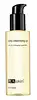
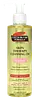
PCA Skin Daily Cleansing Oil Versus Palmer's Cocoa Butter Skin Therapy Cleansing Oil, Face, Rosehip Fragrance
This oil-based makeup remover is made to dissolve makeup, sunscreen, and daily buildup.
This oil-based makeup remover is made to dissolve makeup, sunscreen, and daily buildup.

What's inside
What's inside
 Key Ingredients
Benefits
Concerns
Ingredients Side-by-side
Caprylic/Capric Triglyceride
Masking


Vitis Vinifera Seed Oil
Emollient



Prunus Amygdalus Dulcis Oil
Skin Conditioning
PEG-20 Glyceryl Triisostearate
Emollient
Isopropyl Isostearate
Emollient


Tocopherol
Antioxidant




Parfum
Masking


Glycine Soja Oil
Emollient
Retinyl Palmitate
Skin Conditioning

Tetrahexyldecyl Ascorbate
Antioxidant


Glycerin
Humectant
Eucalyptus Globulus Leaf Oil
Perfuming

Triethyl Citrate
Masking
Cornus Officinalis Fruit Extract
Skin ConditioningCocos Nucifera Fruit Extract
Emollient
Pimpinella Anisum Fruit Extract
MaskingRubus Idaeus Fruit Extract
AstringentVanilla Planifolia Fruit Extract
Skin Conditioning
Ananas Sativus Fruit Extract
Skin ConditioningCitrus Aurantium Bergamia Fruit Extract
Skin ConditioningCucumis Melo Cantalupensis Fruit Extract
AstringentDipteryx Odorata Seed Extract
MaskingGardenia Jasminoides Fruit Extract
Cosmetic ColorantLavandula Angustifolia Flower/Leaf/Stem Extract
Masking
Prunus Armeniaca Fruit Extract
Skin ConditioningPyrus Communis Fruit Extract
Skin ConditioningPyrus Malus Fruit Extract
Skin Conditioning
Caprylic/Capric Triglyceride, Vitis Vinifera Seed Oil, Prunus Amygdalus Dulcis Oil, PEG-20 Glyceryl Triisostearate, Isopropyl Isostearate, Tocopherol, Parfum, Glycine Soja Oil, Retinyl Palmitate, Tetrahexyldecyl Ascorbate, Glycerin, Eucalyptus Globulus Leaf Oil, Triethyl Citrate, Cornus Officinalis Fruit Extract, Cocos Nucifera Fruit Extract, Pimpinella Anisum Fruit Extract, Rubus Idaeus Fruit Extract, Vanilla Planifolia Fruit Extract, Ananas Sativus Fruit Extract, Citrus Aurantium Bergamia Fruit Extract, Cucumis Melo Cantalupensis Fruit Extract, Dipteryx Odorata Seed Extract, Gardenia Jasminoides Fruit Extract, Lavandula Angustifolia Flower/Leaf/Stem Extract, Prunus Armeniaca Fruit Extract, Pyrus Communis Fruit Extract, Pyrus Malus Fruit Extract
Glycine Soja Oil
Emollient
Prunus Amygdalus Dulcis Oil
Skin Conditioning
Polysorbate 85
Emulsifying
Prunus Armeniaca Kernel Oil
Masking
Sorbitan Trioleate
Emulsifying
Theobroma Cacao Seed Butter
Emollient
Tocopheryl Acetate
Antioxidant
Cetearyl Ethylhexanoate
Emollient
Vitis Vinifera Seed Oil
Emollient
Simmondsia Chinensis Seed Oil
Emollient
Sesamum Indicum Seed Oil
Emollient
Argania Spinosa Kernel Oil
Emollient
Oryza Sativa Bran Oil
Emollient
Rosa Canina Fruit Oil
Emollient
Ascorbyl Palmitate
Antioxidant
Isopropyl Myristate
Emollient
Parfum
Masking
Benzyl Benzoate
Antimicrobial
Citronellol
Perfuming
Geraniol
Perfuming
Butylphenyl Methylpropional
Perfuming
Glycine Soja Oil, Prunus Amygdalus Dulcis Oil, Polysorbate 85, Prunus Armeniaca Kernel Oil, Sorbitan Trioleate, Theobroma Cacao Seed Butter, Tocopheryl Acetate, Cetearyl Ethylhexanoate, Vitis Vinifera Seed Oil, Simmondsia Chinensis Seed Oil, Sesamum Indicum Seed Oil, Argania Spinosa Kernel Oil, Oryza Sativa Bran Oil, Rosa Canina Fruit Oil, Ascorbyl Palmitate, Isopropyl Myristate, Parfum, Benzyl Benzoate, Citronellol, Geraniol, Butylphenyl Methylpropional
Reviews
Alternatives
Ingredients Explained
These ingredients are found in both products.
Ingredients higher up in an ingredient list are typically present in a larger amount.
Glycine Soja Oil is a plant-derived oil from soybean seeds. Like other oils, it is rich in essential fatty acids (mostly linoleic and oleic) that support skin hydration and barrier function.
The fatty acids are able to integrate into the lipid matrix of the stratum corneum to help soften skin and reduce water loss.
On top of that, soybean oil is rich in vitamins like vitamin E, a potent antioxidant.
Research on soybean's active components also point to anti-inflammatory, collagen-stimulating, antioxidant activity, and protection against UV-induced oxidative damage.
Most of this research applies to the broader soybean plant and not just the oil fraction alone.
This ingredient may not be fungal acne safe due to the oleic acid content.
Learn more about Glycine Soja OilParfum is a catch-all term for an ingredient or more that is used to give a scent to products.
Also called "fragrance", this ingredient can be a blend of hundreds of chemicals or plant oils. This means every product with "fragrance" or "parfum" in the ingredients list is a different mixture.
For instance, Habanolide is a proprietary trade name for a specific aroma chemical. When used as a fragrance ingredient in cosmetics, most aroma chemicals fall under the broad labeling category of “FRAGRANCE” or “PARFUM” according to EU and US regulations.
The term 'parfum' or 'fragrance' is not regulated in many countries. In many cases, it is up to the brand to define this term.
For instance, many brands choose to label themselves as "fragrance-free" because they are not using synthetic fragrances. However, their products may still contain ingredients such as essential oils that are considered a fragrance by INCI standards.
One example is Calendula flower extract. Calendula is an essential oil that still imparts a scent or 'fragrance'.
Depending on the blend, the ingredients in the mixture can cause allergies and sensitivities on the skin. Some ingredients that are known EU allergens include linalool and citronellol.
Parfum can also be used to mask or cover an unpleasant scent.
The bottom line is: not all fragrances/parfum/ingredients are created equally. If you are worried about fragrances, we recommend taking a closer look at an ingredient. And of course, we always recommend speaking with a professional.
Learn more about ParfumThis ingredient is also known as sweet almond oil. It is a lightweight, cold-pressed oil from the ripe seeds of the sweet almond tree.
Sweet almond oil is rich in skin-nourishing fatty acids such as oleic acid (55-86%) and linolenic acid (7-35%).
As an emollient, it softens and hydrates skin by forming a thin barrier that locks in moisture.
Clinical studies have found it to be non-irritating and non-sensitizing. The CIR Expert Panel has evaluated the available safety data and concluded it is safe for topical use.
Because of the oleic acid content, this ingredient may not be fungal acne safe.
Learn more about Prunus Amygdalus Dulcis OilVitis Vinifera Seed Oil comes from the grape vine. Grape seeds are a byproduct of creating grape juice or wine.
The components of grape seeds have many skin benefits. Research has found it to be antimicrobial and anti-inflammatory. It also contains many potent antioxidants such as Vitamin E , Vitamin C, proanthocyanidins, polyphenols, flavonoids, and anthocyanins. Proanthocyanidin has been shown to help even out skin tone.
Antioxidants help fight free-radical molecules. Free-radical molecules are capable of damaging our cells and other genetic material. Antioxidants help stabilize free-radicals by donating extra electrons. Grape seed extract may help reduce the signs of aging.
The antimicrobial properties of grape seed may help treat acne. However, more research is needed to support this claim.
Grape seed has also been found to help absorb UV rays. Grape seed extract should not replace your sunscreen.
The fatty acids of grape seed oil give it emollient properties. Emollients help soothe and soften your skin by creating a film. This film traps moisture within, keeping your skin hydrated.
Learn more about Vitis Vinifera Seed Oil

