This oil-based makeup remover is made to dissolve makeup, sunscreen, and daily buildup.
This oil-based makeup remover is made to dissolve makeup, sunscreen, and daily buildup.


What's inside
What's inside
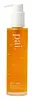 Key Ingredients
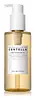
No key ingredients
Benefits
Concerns
Ingredients Side-by-side
Olea Europaea Fruit Oil
Masking






Helianthus Annuus Seed Oil
Emollient
Polyglyceryl-4 Oleate
Emulsifying
Ricinus Communis Seed Oil
Masking
Rosa Canina Fruit Extract
Astringent

Jasminum Grandiflorum Flower Extract
Masking

Citrus Aurantifolia Peel Oil
Masking
Citrus Aurantium Dulcis Peel Oil
Masking
Pelargonium Graveolens Oil
Masking
Ocimum Basilicum Oil
Masking
Tocopherol
Antioxidant





Rosmarinus Officinalis Leaf Extract
AntimicrobialSqualene
Emollient
Beta-Sitosterol
Emulsion Stabilising
Limonene
Perfuming
Citronellol
Perfuming
Geraniol
Perfuming
Citral
Perfuming
Linalool
Perfuming
Olea Europaea Fruit Oil, Helianthus Annuus Seed Oil, Polyglyceryl-4 Oleate, Ricinus Communis Seed Oil, Rosa Canina Fruit Extract, Jasminum Grandiflorum Flower Extract, Citrus Aurantifolia Peel Oil, Citrus Aurantium Dulcis Peel Oil, Pelargonium Graveolens Oil, Ocimum Basilicum Oil, Tocopherol, Rosmarinus Officinalis Leaf Extract, Squalene, Beta-Sitosterol, Limonene, Citronellol, Geraniol, Citral, Linalool
Ethylhexyl Stearate
Emollient
Cetyl Ethylhexanoate
EmollientSorbeth-30 Tetraoleate
Emulsifying
Caprylic/Capric Triglyceride
Masking
Citrus Aurantium Bergamia Fruit Oil
Masking
Centella Asiatica Extract
Cleansing

Simmondsia Chinensis Seed Oil
Emollient
Olea Europaea Fruit Oil
Masking
Helianthus Annuus Seed Oil
Emollient
Ethylhexylglycerin
Skin ConditioningPelargonium Graveolens Flower Oil
Masking
Rosa Damascena Flower Oil
Masking
Limonene
Perfuming
Linalool
Perfuming
Ethylhexyl Stearate, Cetyl Ethylhexanoate, Sorbeth-30 Tetraoleate, Caprylic/Capric Triglyceride, Citrus Aurantium Bergamia Fruit Oil, Centella Asiatica Extract, Simmondsia Chinensis Seed Oil, Olea Europaea Fruit Oil, Helianthus Annuus Seed Oil, Ethylhexylglycerin, Pelargonium Graveolens Flower Oil, Rosa Damascena Flower Oil, Limonene, Linalool
Reviews
Ingredients Explained
These ingredients are found in both products.
Ingredients higher up in an ingredient list are typically present in a larger amount.
Helianthus Annuus Seed Oil is a plant oil derived from the seeds of a sunflower.
It is rich in fatty acids, primarily linoleic acid and oleic acid. This gives it emollient and skin conditioning properties.
The reason this ingredient is so effective is because it forms a thin film on the skin that reduces transepidermal water loss (TEWL) while supplying linoleic acid to the stratum corneum to improve barrier strength.
The high linoleic acid content is particularly noteworthy for acne-prone skin.
Research suggests that acne-prone skin tends to be deficient in linoleic acid in sebum. Topical application may help replenish this to support a healthier follicular environment and less comedone-promoting sebum.
One randomized study found sunflower seed oil preserved skin barrier integrity in adult volunteers with and without atopic dermatitis (outperforming olive oil).
This ingredient is well-studied, gentle, and an effective emollient suitable for most skin types.
On fungal acne: This ingredient may not be Fungal acne (Malassezia folliculitis) safe. This is because it contains fatty acids with carbon chain lengths in the C11-C24 range.
Learn more about Helianthus Annuus Seed OilLimonene is the compound that gives citrus peel its smell.
In skincare, it shows up as a standalone fragrance ingredient or as a natural compound of citrus and other essential oils.
You'll typically see this ingredient used in very small amounts; anything above 0.001% in a leave-on product or 0.01% in a rinse-off has to be named on the label in the EU. The citrus oils that carry it sit around 0.5-1% in a finished formula.
Fresh limonene is a weak allergen; the real issue is that it slowly reacts with air and then breaks down from oxidation to create hydroperoxides (which are strong sensitizers). This is why suppliers are required to keep the peroxide value below 20 mmol.
Positive reactions in people being investigated for eczema vary:
It's worth skipping if you have a known fragrance allergy or a compromised barrier, but the risk is low for most people.
Older or long-opened products are also more likely to bother you than fresh ones due to oxidation.
Learn more about LimoneneLinalool is a small, naturally occurring scent molecule found in plants like lavender, coriander, bergamot, and more.
It is one of the two most-used fragrance ingredients in cosmetics and added purely for smell. Since it's not used for a skin benefit, there's no "effective dose". Concentration depends on the fragrance load of the product.
The EU requires it to be named on the label above 0.001% in leave-on and 0.01% in rinse-off products.
Fresh linalool is a weak sensitizer but air exposure turns some of it into hydroperoxides, which are strong sensitizers. Those oxidation products are the actual allergy concern.
Patch-test clinics see positive reactions to linalool hydroperoxides in about 4% to 12% of dermatitis patients depending on country and test concentration.
Resassuringly, one analytical study found hydroperoxide levels in real fragranced products to be orders of magnitude below what induced sensitization in animal studies with no evidence of oxidation building up during normal storage.
The practical takeaway is that linalool is fine for most people but worth avoiding if you have a confirmed fragrance contact allergy or a badly compromised barrier.
Products stored a long time after opening are also the high-risk scenario since that is when oxidation happens.
The scent of linalool is described as floral, spicy tropical, and citrus-like.
Learn more about LinaloolThis ingredient is also known as olive oil. It has been used in skincare for centuries and science largely backs up its reputation as a nourishing emollient.
The main components of olive oil are oleic acid (55-83%), linoleic acid (3.5-20%), and palmitic acid (7-20%). Oleic acid promotes skin regeneration and helps regulate inflammatory responses.
Squalene is also naturally present in olive oil and exhibits moisturizing and antioxidant properties.
The polyphenols in olive oil also show anti-aging promise; one clinical study found a measurable improvement in skin appearance after 30 days of topical serum use.
Just be aware that applying olive oil directly to skin can weaken the barrier and cause redness. One study with volunteers found even people without sensitive skin experienced a significant reduction in stratum corneum integrity and induced mild erythema.
It's best to use this ingredient as part of a carefully crafted formula (instead of putting it on skin directly from the bottle).
Because it has a 0-2 on the comedogenic scale, it is low risk for acne-prone skin. Just remember the overall formulation of a product matters more than a few ingredients with comedogenic ratings.
This ingredient may not be fungal acne safe because of the oleic and palmitic acid content. These fall within the C11-24 fatty acid range that the Malassezia yeast can metabolize to grow.
Overall, olive oil is a well-studied and nourishing skincare ingredient.
Learn more about Olea Europaea Fruit Oil

