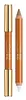
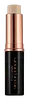
Out Of Office Contour & Highlight Duo Pencil Versus Anastasia Beverly Hills Contour & Highlight Stick


What's inside
What's inside
 Key Ingredients
Benefits
Concerns
Ingredients Side-by-side
Euphorbia Cerifera Wax


CI 77891
Cosmetic ColorantEthylhexyl Palmitate
Emollient


Phenyl Trimethicone
Skin Conditioning
Isopropyl Myristate
Emollient
Bis-Diglyceryl Polyacyladipate-2
Emollient
Microcrystalline Wax
Emulsion StabilisingCI 77492
Cosmetic ColorantHydrogenated Polydecene
EmollientHydrogenated Soybean Oil
Emollient
Hydrogenated Palm Kernel Oil
Emollient
CI 77499
Cosmetic ColorantCI 77491
Cosmetic ColorantCopernicia Cerifera Cera
Emollient
Phenoxyethanol
Preservative
Tocopheryl Acetate
Antioxidant


Dihydroxyethyl Toluidine
Synthetic Fluorphlogopite
Octyldodecanol
Emollient
Polymethyl Methacrylate

Silica
Abrasive

Vp/Hexadecene Copolymer
Diisostearyl Malate
EmollientBeeswax
Emulsion Stabilising
Polyethylene
Abrasive
Mica
Cosmetic ColorantOzokerite
Emulsion StabilisingTin Oxide
Abrasive
Euphorbia Cerifera Wax, CI 77891, Ethylhexyl Palmitate, Phenyl Trimethicone, Isopropyl Myristate, Bis-Diglyceryl Polyacyladipate-2, Microcrystalline Wax, CI 77492, Hydrogenated Polydecene, Hydrogenated Soybean Oil, Hydrogenated Palm Kernel Oil, CI 77499, CI 77491, Copernicia Cerifera Cera, Phenoxyethanol, Tocopheryl Acetate, Dihydroxyethyl Toluidine, Synthetic Fluorphlogopite, Octyldodecanol, Polymethyl Methacrylate, Silica, Vp/Hexadecene Copolymer, Diisostearyl Malate, Beeswax, Polyethylene, Mica, Ozokerite, Tin Oxide
Phenyl Trimethicone
Skin Conditioning
Dimethicone
Emollient
Isononyl Isononanoate
EmollientSilica
Abrasive
Bis-Diglyceryl Polyacyladipate-2
Emollient
Ozokerite
Emulsion StabilisingPolymethyl Methacrylate
Triisodecyl Trimellitate
EmollientPolyethylene
Abrasive
Cera Microcristallina
Emulsion StabilisingEuphorbia Cerifera Cera
Astringent
Kaolin
Abrasive
Ethylhexyl Palmitate
Emollient
Isopropyl Myristate
Emollient
Isostearic Acid
Cleansing
Lecithin
Emollient
Limnanthes Alba Seed Oil
Skin Conditioning
Polyglyceryl-3 Polyricinoleate
Emulsifying
Polyhydroxystearic Acid
Emulsifying
Simmondsia Chinensis Seed Oil
Emollient
Sodium Magnesium Silver Phosphate
AntimicrobialTocopheryl Acetate
Antioxidant
CI 77491
Cosmetic ColorantCI 77492
Cosmetic ColorantCI 77499
Cosmetic ColorantCI 77891
Cosmetic ColorantPhenyl Trimethicone, Dimethicone, Isononyl Isononanoate, Silica, Bis-Diglyceryl Polyacyladipate-2, Ozokerite, Polymethyl Methacrylate, Triisodecyl Trimellitate, Polyethylene, Cera Microcristallina, Euphorbia Cerifera Cera, Kaolin, Ethylhexyl Palmitate, Isopropyl Myristate, Isostearic Acid, Lecithin, Limnanthes Alba Seed Oil, Polyglyceryl-3 Polyricinoleate, Polyhydroxystearic Acid, Simmondsia Chinensis Seed Oil, Sodium Magnesium Silver Phosphate, Tocopheryl Acetate, CI 77491, CI 77492, CI 77499, CI 77891
Reviews
Ingredients Explained
These ingredients are found in both products.
Ingredients higher up in an ingredient list are typically present in a larger amount.
Bis-Diglyceryl Polyacyladipate-2 is a synthetic emollient that works as a lanolin substitute.
This ingredient is a great vegan option for those avoiding animal-derived ingredients.
It mostly stays on the surface of skin where it helps hydrate due to its large molecular size and low water solubility.
Due to it being derived from fatty acids, this ingredient may not be Malassezia or fungal acne safe.
Learn more about Bis-Diglyceryl Polyacyladipate-2Ci 77491 is also hydrated iron III oxide. It's sole purpose is to give a red/pink hue to products.
Iron III oxides are classified as inorganic chemicals for coloring.
Synthetically created Ci 77491 is considered safer than those naturally found. This is because the synthetically created version may contain less impurities. Iron oxides are generally non-toxic and non-allergenic.
Learn more about CI 77491CI 77492 is also hydrated iron III oxide. It's sole purpose is to give a yellow hue to products.
Iron III oxides are classified as inorganic chemicals for coloring.
Synthetically created CI 77492 is considered safer than those naturally found. This is because the synthetically created version may contain less impurities. Iron oxides are generally non-toxic and non-allergenic.
Learn more about CI 77492Ci 77499 is also hydrated iron III oxide. It is created from mixing red and black iron oxides. This helps give shades of darkness to a product.
Iron III oxides are classified as inorganic chemicals for coloring.
Ci 77891 is a white pigment from Titanium dioxide. It is naturally found in minerals such as rutile and ilmenite.
It's main function is to add a white color to cosmetics. It can also be mixed with other colors to create different shades.
Ci 77891 is commonly found in sunscreens due to its ability to block UV rays.
Learn more about CI 77891Ethylhexyl Palmitate, also known as octyl palmitate, is created from 2-ethylhexyl alcohol and palmitic acid.
In cosmetics, it plays many roles:
One thing worth noting: a controlled study found this ingredient applied under occlusion to acne-prone subjects increased microcomedones. Just keep in mind this was under occlusive conditions and don't reflect how most products are used day-to-day.
For most people, this is a well-tolerated and lightweight ingredient.
This ingredient may not be fungal acne safe because it is an ester of palmitic acid, a C16 fatty acid that falls within the C11-24 range that Malassezia can metabolize.
You'll see this one rated 4 comedogenic all over the internet. That number isn't from a single study, and the actual research is more interesting.
The original rating comes from 1980s rabbit ear tests (which are a shaky basis for anything). But Ethylhexyl Palmitate is one of the few ingredients with real human data behind it. A 2021 controlled trial found this ingredient increased microcomedones by an average of 365% over four weeks.
Just know that test used the pure ingredient under an occlusive pad on back skin; most products use it at much lower levels alongside other ingredients and plenty of people use those with no issue.
Learn more about Ethylhexyl PalmitateIsopropyl Myristate is an ester made by combining isopropyl alcohol with myristic acid.
It is primarily an emollient and penetration enhancer that gives products a lightweight, silky feel without the heaviness of oils.
This ingredient is generally considered non-toxic, non-irritating, and has low absorption potential.
This ingredient does have a comedogenic rating of 3-5, but this doesn't mean a formula with this ingredient will clog pores.
Dermatologist Dr. Zoe Draelos has also confirmed in a peer-reviewed paper that products containing comedogenic ingredients are not necessarily comedogenic themselves.
A small subset of people (~2%) may experience contact sensitivity so patch testing is a reasonable idea if you have reactive skin.
Since this ingredient is an ester of myristic acid (a C14 fatty acid), it falls within the carbon chain range that is known to feed Malassezia. This ingredient may not be fungal acne safe.
Learn more about Isopropyl MyristateOzokerite is a naturally occuring mineral wax. In cosmetics, ozokerite is used as a texture enhancer.
Ceresin wax is derived from this ingredient.
The melting point of ozokerite is 58-100 C.
Ozokerite is found all over the world including Scotland, the US, and India.
Learn more about OzokeritePhenyl Trimethicone is a silicon-based polymer. It is derived from silica.
Phenyl Trimethicone is used as an emollient and prevents products from foaming.
As an emollient, it helps trap moisture in the skin. It is considered an occlusive.
Learn more about Phenyl TrimethiconePolyethylene is a synthetic ingredient that helps the skin retain moisture. It is a polymer.
It is also typically used within product formulations to help bind solid ingredients together and thicken oil-based ingredients. When added to balms and emulsions, it helps increase the melting point temperature.
This ingredient is also known as PMMA. It is a polymer microsphere, composed of tiny, perfectly spherical particles formed from repeating units.
In cosmetics, PMMA is mainly used to give a soft or blurring effect. The transparent particles are able to scatter light and help reduce the appearance of fine-lines and imperfections.
PMMA is also able to enhance the texture of products by add a smooth feel.
Learn more about Polymethyl MethacrylateSilica, also known as silicon dioxide, is a naturally occurring mineral. It is used as a fine, spherical, and porous powder in cosmetics.
Though it has exfoliant properties, the function of silica varies depending on the product.
The unique structure of silica enhances the spreadability and adds smoothness, making it a great texture enhancer.
It is also used as an active carrier, emulsifier, and mattifier due to its ability to absorb excess oil.
In some products, tiny microneedles called spicules are made from silica or hydrolyzed sponge. When you rub them in, they lightly polish away dead skin layers and enhance the penetration of active ingredients.
Learn more about SilicaTocopheryl Acetate is a stable, shelf-friendly form of vitamin E.
Formulators love it because plain vitamin E oxidizes quickly once it hits air. This acetate version stays stable and resists going off, helping to extend a product's shelf life.
It's actually inactive on its own and works like a slow-release "storage" form; the enzymes in your skin called esterases gradually convert it into active vitamin E over time.
One in vivo study showed 5% of the acetate in the living layer of the epidermis converted to vitamin E after 5 days of application. This study also found the skin gained protection against UV damage even though the conversion was slow and small.
Once converted, vitamin E acts as a skin's main fat-soluble antioxidant that fights free radicals to protect skin from damage.
Topical vitamin E generally boosts the skin's photoprotection, and it reduced UV-damage in animal models.
This ingredient has some brightening potential but it's more of a prevention ingredient than spot-fader. Cell studies show it can slow down melanin production but it's worth noting that it's not the most powerful brightener out there.
Overall, it has a pretty solid safety profile and has been found to be non-irritating and non-comedogenic. Allergic reactions may happen but stay rare due to how widely the ingredient gets used.
The concentration will vary depending on the formula; industry data shows 0.1% in baby lotions, 3% in lipsticks, and 5% in foot powders. You can also find this ingredient at 100% in a pure vitamin E oil.
Most leave-on skincare keeps it at the lower end, often between 0.5-1%.
Learn more about Tocopheryl Acetate

