

What's inside
What's inside
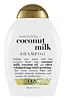 Key Ingredients
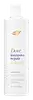
No key ingredients
Benefits
Concerns
Ingredients Side-by-side
Water
Skin ConditioningSodium C14-16 Olefin Sulfonate
Cleansing

Cocamidopropyl Betaine
Cleansing

Sodium Chloride
MaskingCocamidopropyl Hydroxysultaine
Cleansing
PPG-2 Hydroxyethyl Coco/Isostearamide
Surfactant
Acrylates Copolymer
Cocos Nucifera Oil
Masking




Hydrolyzed Milk Protein
Skin ConditioningAlbumen
Skin ConditioningAmodimethicone

Panthenol
Skin Conditioning



Sodium Cocoyl Isethionate
Cleansing
Glycol Distearate
Emollient
Laureth-4
Emulsifying
Polyquaternium-6
Polyquaternium-10
Trideceth-12
EmulsifyingCetrimonium Chloride
Antimicrobial
Guar Hydroxypropyltrimonium Chloride
Skin ConditioningPEG-120 Methyl Glucose Dioleate
Emulsifying
Disodium EDTA
ChelatingDiazolidinyl Urea
Preservative
Iodopropynyl Butylcarbamate
Preservative
Parfum
Masking
Water, Sodium C14-16 Olefin Sulfonate, Cocamidopropyl Betaine, Sodium Chloride, Cocamidopropyl Hydroxysultaine, PPG-2 Hydroxyethyl Coco/Isostearamide, Acrylates Copolymer, Cocos Nucifera Oil, Hydrolyzed Milk Protein, Albumen, Amodimethicone, Panthenol, Sodium Cocoyl Isethionate, Glycol Distearate, Laureth-4, Polyquaternium-6, Polyquaternium-10, Trideceth-12, Cetrimonium Chloride, Guar Hydroxypropyltrimonium Chloride, PEG-120 Methyl Glucose Dioleate, Disodium EDTA, Diazolidinyl Urea, Iodopropynyl Butylcarbamate, Parfum
Water
Skin ConditioningSodium C12-13 Pareth Sulfate
Cleansing
Cocamidopropyl Betaine
Cleansing
Sodium Gluconate
ChelatingParfum
Masking
Dimethiconol
Emollient
Citric Acid
Buffering

Sodium Chloride
MaskingSodium Benzoate
Masking
Glycerin
Humectant
Glycol Distearate
Emollient
Carbomer
Emulsion StabilisingSodium Laureth Sulfate
Cleansing
Guar Hydroxypropyltrimonium Chloride
Skin ConditioningPPG-9
Skin ConditioningTea-Dodecylbenzenesulfonate
CleansingCocamide Mea
Emulsifying
Disodium EDTA
ChelatingPEG-45m
HumectantCocos Nucifera Oil
Masking
Hydrolyzed Soy Protein
Humectant
Iodopropynyl Butylcarbamate
Preservative
Benzyl Salicylate
Perfuming
Citronellol
Perfuming
Hexyl Cinnamal
Perfuming
Limonene
Perfuming
Linalool
Perfuming
Mica
Cosmetic ColorantCI 77891
Cosmetic ColorantWater, Sodium C12-13 Pareth Sulfate, Cocamidopropyl Betaine, Sodium Gluconate, Parfum, Dimethiconol, Citric Acid, Sodium Chloride, Sodium Benzoate, Glycerin, Glycol Distearate, Carbomer, Sodium Laureth Sulfate, Guar Hydroxypropyltrimonium Chloride, PPG-9, Tea-Dodecylbenzenesulfonate, Cocamide Mea, Disodium EDTA, PEG-45m, Cocos Nucifera Oil, Hydrolyzed Soy Protein, Iodopropynyl Butylcarbamate, Benzyl Salicylate, Citronellol, Hexyl Cinnamal, Limonene, Linalool, Mica, CI 77891
Reviews
Alternatives
Ingredients Explained
These ingredients are found in both products.
Ingredients higher up in an ingredient list are typically present in a larger amount.
Cocamidopropyl Betaine is a fatty acid created by mixing similar compounds in coconut oil and dimethylaminopropylamine, a compound with two amino groups.
This ingredient is a surfactant and cleanser. It helps gather the dirt, pollutants, and other impurities in your skin to be washed away. It also helps thicken a product and make the texture more creamy.
Being created from coconut oil means Cocamidopropyl Betaine is hydrating for the skin.
While Cocamidopropyl Betaine was believed to be an allergen, a study from 2012 disproved this. It found two compounds in unpure Cocamidopropyl Betaine to be the irritants: aminoamide and 3-dimethylaminopropylamine. High-grade and pure Cocamidopropyl Betaine did not induce allergic reactions during this study.
Learn more about Cocamidopropyl BetaineThis ingredient is also known as coconut oil. It is a plant-derived ingredient with skin conditioning properties.
The fatty acid profile of coconut oil is mostly lauric acid (~54%), followed by capric, caprylic, palmitic, and myristic acids. This profile allows it to penetrate easily into skin, moisturize, and improve dry skin.
A double-blind study confirmed that extra virgin coconut oil is as effective as mineral oil for treating very dry skin. Another study found it outperformed mineral oil for mild to moderate atopic dermatitis in children.
Another study from 2018 found that virgin coconut oil can soothe inflammation and boost key skin barrier proteins. Just know this evidence is still only from lab settings and not human trials.
It has also been shown to reduce Staphylococcus aureus, a bacteria that commonly overgrows in people with eczema.
Clinical testing shows very minimal skin irritation and no evidence of sensitization or phototoxicity.
Coconut oil gets flagged as a "fragrance" because it has a natural mild scent (not because it's a synthetic perfume). The European Cosmetic ingredient database also lists "perfuming" as a function of this ingredient.
Just so you know, the term "fragrance" is completely unregulated. Some brands still use botanical extracts or essential oils in their "fragrance-free" formulas, but regulatory databases technically classify these under "fragrance".
Coconut oil has a tiny and useless bit of natural SPF. Early lab studies clocked it around SPF 7-8 but a more recent study found the real number closer to SPF 1.2. It also offers no meaningful UVA protection (SPF only overs UVB rays).
The comedogenic rating of 4/5 means it has a high potential to clog pores; but it's worth noting that comedogenicity is highly individual and ratings cannot predict how an overall formula will behave on skin.
Since lauric acid is the dominant fatty acid, this ingredient may not be fungal acne safe. The Malassezia yeast feeds on fatty acids with carbon chain lengths between 11-24, and lauric acid falls within these lengths (C12).
Learn more about Cocos Nucifera OilDisodium EDTA is a chelating agent. It grabs onto and deactivates metal ions that sneak into your products from water, packaging, or air.
This ingredient mainly works behind the scenes and helps with:
On top of that, this ingredient can counteract the effects of hard water by binding to the minerals in it.
One thing worth knowing is that Disodium EDTA has been shown to be a mild penetration enhancer. It can help other ingredients absorb into skin more effectively which can be a double-edged sword (great for actives, but can also make the active too strong if you have sensitive skin).
Clinical patch testing showed no significant skin irritation at typical use concentrations and minimal dermal absorption.
You'll most likely see this ingredient near the end of an ingredient list. It's typically found in concentrations less than 1%.
Learn more about Disodium EDTAGlycol Distearate is an emulsifier and emollient that adds a "pearly" appearance to formulations.
That lustrous look you see in many shampoos is due to this ingredient: when cooled, it crystallizes into small platelets that reflect light to give products that rich, shimmering look.
This ingredient is considered safe at present practices of use and concentration and repeated insult patch test with 50% Glycol Distearate on 125 subjects found no evidence of skin irritation, hypersensitivity, or acute toxicity.
Typical use concentrations range from 0.1-10%.
Because it's an ester of stearic acid, it falls into the range that Malassezia likes to metabolize. This ingredient may not be fungal acne safe.
Learn more about Glycol DistearateThis ingredient is derived from guar gum. It is a skin conditioning agent that creates a thin, breathable film to reduce water loss during cleansing.
This leaves the skin feeling soft rather than stripped and also contributes to a creamier lather.
Due to the large molecule size, this ingredient is unlikely to penetrate skin.
Learn more about Guar Hydroxypropyltrimonium ChlorideIodopropynyl Butylcarbamate (IPBC) is a preservative that is especially good at getting fungi and mold out of your cosmetics.
IPBC works by leveraging the antimicrobial properties of its iodine containing structure. Iodine has been used as a germicide since the late 1800s and IPBC is a more refined and stable derivative of it.
It is typically used at very low levels in cosmetics, with most formulations using 0.0125% or less (well below its approved maximum).
In the EU, IPBC concentration limits are set at 0.02% in rinse-off products and 0.01% in leave-on products.
Though IPBC is a relatively uncommon contact allergen, patch testing studies show positive reaction rates ranging from 0.3%-0.9% of patients tested. This is still quite low compared to preservatives like methylisothiazolinone which sits at around 4-5%.
Researchers note that existing iodine sensitives or rubber allergies may be the cause of this as IPBC shares a structure with both thiuram (used in rubber) and iodine.
Be sure to patch test if you are unsure and speak with a medical professional about using this ingredient.
Learn more about Iodopropynyl ButylcarbamateParfum is a catch-all term for an ingredient or more that is used to give a scent to products.
Also called "fragrance", this ingredient can be a blend of hundreds of chemicals or plant oils. This means every product with "fragrance" or "parfum" in the ingredients list is a different mixture.
For instance, Habanolide is a proprietary trade name for a specific aroma chemical. When used as a fragrance ingredient in cosmetics, most aroma chemicals fall under the broad labeling category of “FRAGRANCE” or “PARFUM” according to EU and US regulations.
The term 'parfum' or 'fragrance' is not regulated in many countries. In many cases, it is up to the brand to define this term.
For instance, many brands choose to label themselves as "fragrance-free" because they are not using synthetic fragrances. However, their products may still contain ingredients such as essential oils that are considered a fragrance by INCI standards.
One example is Calendula flower extract. Calendula is an essential oil that still imparts a scent or 'fragrance'.
Depending on the blend, the ingredients in the mixture can cause allergies and sensitivities on the skin. Some ingredients that are known EU allergens include linalool and citronellol.
Parfum can also be used to mask or cover an unpleasant scent.
The bottom line is: not all fragrances/parfum/ingredients are created equally. If you are worried about fragrances, we recommend taking a closer look at an ingredient. And of course, we always recommend speaking with a professional.
Learn more about ParfumChances are, you eat sodium chloride every day. Sodium Chloride is also known as table salt. This ingredient has many purposes in skincare: thickener, emulsifier, and exfoliator.
You'll most likely find this ingredient in cleansers where it is used to create a gel-like texture. As an emulsifier, it also prevents ingredients from separating.
You might see people debate whether Sodium Chloride is comedogenic, but there actually haven't been any comedogenic tests done on it. Either way, the overall formulation of a product matters a lot more than any single ingredient.
You might see this ingredient used in scrubs as a primary exfoliating ingredient.
Learn more about Sodium ChlorideWater. It's the most common cosmetic ingredient of all. You'll usually see it at the top of ingredient lists, meaning that it makes up the largest part of the product.
So why is it so popular? Water most often acts as a solvent - this means that it helps dissolve other ingredients into the formulation.
You'll also recognize water as that liquid we all need to stay alive. If you see this, drink a glass of water. Remember to stay hydrated!
Learn more about Water

