

What's inside
What's inside
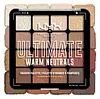 Key Ingredients
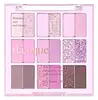
Benefits
Concerns
Ingredients Side-by-side

Talc
Abrasive
Calcium Titanium Borosilicate
Abrasive
Calcium Sodium Borosilicate
Polymethyl Methacrylate

Dimethicone
Emollient

Magnesium Stearate
Cosmetic ColorantNeopentyl Glycol Diethylhexanoate
Emollient
Hexyl Laurate
Emollient

Dimethicone/Vinyl Dimethicone Crosspolymer
Skin Conditioning
CI 77891
Cosmetic ColorantDipentaerythrityl Hexahydroxystearate/Hexastearate/Hexarosinate
Skin ConditioningCaprylyl Glycol
Emollient
Tin Oxide
Abrasive
Glyceryl Caprylate
EmollientMica
Cosmetic ColorantEthylhexylglycerin
Skin ConditioningSynthetic Fluorphlogopite
CI 77491
Cosmetic ColorantCI 15850
Cosmetic ColorantTocopherol
Antioxidant






Polybutylene Terephthalate
Bis-Diglyceryl Polyacyladipate-2
Emollient
Calcium Aluminum Borosilicate
Ethylene/Va Copolymer
Emulsion StabilisingAcrylates Copolymer
Polyglyceryl-2 Triisostearate
Emulsifying
Silica
Abrasive
Diisostearyl Malate
EmollientMagnesium Myristate


CI 77007
Cosmetic ColorantTriethoxycaprylylsilane
CI 73360
Cosmetic ColorantCI 19140
Cosmetic ColorantWater
Skin ConditioningSodium Chloride
MaskingSodium Sulfate
Caprylic/Capric Triglyceride
Masking
Hydrogenated Castor Oil Isostearate
Skin Conditioning
Nylon-12

CI 77742
Cosmetic ColorantKaolin
Abrasive
Ultramarines
Titanium Dioxide
Cosmetic Colorant
CI 77492
Cosmetic ColorantCaesalpinia Sappan Bark Extract
Skin ConditioningCI 77510
Cosmetic ColorantPolyethylene Terephthalate
CI 77499
Cosmetic ColorantTriethylhexanoin
MaskingTalc, Calcium Titanium Borosilicate, Calcium Sodium Borosilicate, Polymethyl Methacrylate, Dimethicone, Magnesium Stearate, Neopentyl Glycol Diethylhexanoate, Hexyl Laurate, Dimethicone/Vinyl Dimethicone Crosspolymer, CI 77891, Dipentaerythrityl Hexahydroxystearate/Hexastearate/Hexarosinate, Caprylyl Glycol, Tin Oxide, Glyceryl Caprylate, Mica, Ethylhexylglycerin, Synthetic Fluorphlogopite, CI 77491, CI 15850, Tocopherol, Polybutylene Terephthalate, Bis-Diglyceryl Polyacyladipate-2, Calcium Aluminum Borosilicate, Ethylene/Va Copolymer, Acrylates Copolymer, Polyglyceryl-2 Triisostearate, Silica, Diisostearyl Malate, Magnesium Myristate, CI 77007, Triethoxycaprylylsilane, CI 73360, CI 19140, Water, Sodium Chloride, Sodium Sulfate, Caprylic/Capric Triglyceride, Hydrogenated Castor Oil Isostearate, Nylon-12, CI 77742, Kaolin, Ultramarines, Titanium Dioxide, CI 77492, Caesalpinia Sappan Bark Extract, CI 77510, Polyethylene Terephthalate, CI 77499, Triethylhexanoin
Reviews
Ingredients Explained
These ingredients are found in both products.
Ingredients higher up in an ingredient list are typically present in a larger amount.
Bis-Diglyceryl Polyacyladipate-2 is a synthetic emollient that works as a lanolin substitute.
This ingredient is a great vegan option for those avoiding animal-derived ingredients.
It mostly stays on the surface of skin where it helps hydrate due to its large molecular size and low water solubility.
Due to it being derived from fatty acids, this ingredient may not be Malassezia or fungal acne safe.
Learn more about Bis-Diglyceryl Polyacyladipate-2This pigment is called Ultramarine blue lazurite. It gives a saturated blue color, but can be used to create other colors as well.
According to the manufacturer, it is usually made from kaolin, sodium sulfate, sodium carbonate, sulfur, and charcoal.
This ingredient is used to add a violet color to cosmetics.
It is created by reacting phosphoric acid, ammonium dihydrogen orthophosphate, and manganese dioxide.
Ci 77891 is a white pigment from Titanium dioxide. It is naturally found in minerals such as rutile and ilmenite.
It's main function is to add a white color to cosmetics. It can also be mixed with other colors to create different shades.
Ci 77891 is commonly found in sunscreens due to its ability to block UV rays.
Learn more about CI 77891Dimethicone is a type of synthetic silicone created from natural materials such as quartz. It is also known as polydimethylsiloxane.
What it does:
Dimethicone comes in different viscosities:
Depending on the viscosity, dimethicone has different properties.
Ingredients lists don't always show which type is used, so we recommend reaching out to the brand if you have questions about the viscosity.
This ingredient is unlikely to cause irritation because it does not get absorbed into skin. However, people with silicone allergies should be careful about using this ingredient.
Note: Dimethicone may contribute to pilling. This is because it is not oil or water soluble, so pilling may occur when layered with products. When mixed with heavy oils in a formula, the outcome is also quite greasy.
Learn more about DimethiconeEthylhexylglycerin is created from glycerin. It is a multitasker ingredient that:
The CIR Expert Panel found minimal skin absorption or sensitization of any kind in a safety assessment. Though this ingredient is considered well-tolerated, a small number of cases of allergic dermatitis have been published since 2002. Just be sure to patch test if you are unsure.
Industry-reported use ranges from 8% in rinse-off products and 2% in leave-on formulations.
Learn more about EthylhexylglycerinMagnesium Stearate is a salt that is 2 parts stearic acid and 1 part magnesium.
It is a white powder that can be used to add bulk and color to products by binding to oil ingredients.
Mica is a naturally occurring mineral used to add shimmer and color in cosmetics. It can also help improve the texture of a product or give it an opaque, white/silver color.
Serecite is the name for very fine but ragged grains of mica.
This ingredient is often coated with metal oxides like titanium dioxide. Trace amounts of heavy metals may be found in mica, but these metals are not harmful in our personal products.
Mica has been used since prehistoric times throughout the world. Ancient Egyptian, Indian, Greek, Roman, Aztec, and Chinese civilizations have used mica.
Learn more about MicaTocopherol is a fat-soluble antioxidant known as Vitamin E.
You'll find this ingredient in the vast majority of skincare (for good reason). It works to neutralize free radicals, or unstable molecules generated by UV exposure, pollution, and other environmental stressors, before they can cause oxidative damage to your skin cells.
Topically applied tocopherol has been shown to protect against UV damage by ramping up the skin's own natural defense enzymes.
It also acts as a skin conditioning agent; some studies show that regular topical use can improve the skin's water-binding capacity over 2-4 weeks.
This ingredient is especially loved for being a team player. When combined with Vitamin C, the photoprotective effect of both ingredients roughly doubles and the combo also helps reduce UV-induced DNA damage.
This ingredient has some brightening potential but it's more of a prevention ingredient than spot-fader. Cell studies show it can slow down melanin production but it's worth noting that it's not the most powerful brightener out there.
In formulations, it also serves as a stabilizer that helps protect other oxidation-prone ingredients from degrading.
Concentrations usually range from 0.1-1% in most leave-on products.
Learn more about TocopherolTriethoxycaprylylsilane is a silicon-based surface modifier that makes sunscreens feel silky and makeup stay put.
Its main job is to coat mineral particles like titanium dioxide, zinc oxide, and color pigments in a thin, oily layer so they spread smoothly, don't clump, and stick to skin better.
This ingredient is typically used at low levels (up to 2.5% in eyeshadow and 1% in lipstick).
Learn more about Triethoxycaprylylsilane

