
What's inside
What's inside
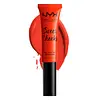 Key Ingredients
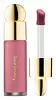
No key ingredients
Benefits
Concerns
Ingredients Side-by-side
Dimethicone
Emollient

Bis-Diglyceryl Polyacyladipate-2
Emollient


Phenyl Trimethicone
Skin Conditioning
Nylon-12


Kaolin
Abrasive


Diisostearyl Malate
EmollientHydrogenated Polyisobutene
EmollientDimethicone Crosspolymer
Emulsion Stabilising
Vinyl Dimethicone/Methicone Silsesquioxane Crosspolymer
Butyrospermum Parkii Butter
Skin Conditioning



Glycerin
Humectant
CI 77120
Cosmetic ColorantAlumina
Abrasive
Aluminum Hydroxide
EmollientCaprylyl Glycol
Emollient
Tocopherol
Antioxidant





Tocopheryl Acetate
Antioxidant
Sorbic Acid
Preservative
Phenoxyethanol
Preservative
CI 15850
Cosmetic ColorantCI 77491
Cosmetic ColorantCI 77492
Cosmetic ColorantCI 77499
Cosmetic ColorantCI 77891
Cosmetic ColorantCI 19140
Cosmetic ColorantCI 42090
Cosmetic ColorantDimethicone, Bis-Diglyceryl Polyacyladipate-2, Phenyl Trimethicone, Nylon-12, Kaolin, Diisostearyl Malate, Hydrogenated Polyisobutene, Dimethicone Crosspolymer, Vinyl Dimethicone/Methicone Silsesquioxane Crosspolymer, Butyrospermum Parkii Butter, Glycerin, CI 77120, Alumina, Aluminum Hydroxide, Caprylyl Glycol, Tocopherol, Tocopheryl Acetate, Sorbic Acid, Phenoxyethanol, CI 15850, CI 77491, CI 77492, CI 77499, CI 77891, CI 19140, CI 42090
Hydrogenated Polyisobutene
EmollientHydrogenated Poly(C6-14 Olefin)
EmollientMica
Cosmetic ColorantOctyldodecanol
Emollient
Ethylene/Propylene/Styrene Copolymer
Trimethylsiloxysilicate
Emollient
Isododecane
Emollient1,2-Hexanediol
Skin Conditioning
Disteardimonium Hectorite
StabilisingSorbitan Sesquioleate
Emulsifying
Propylene Carbonate
SolventTriethoxycaprylylsilane
Aluminum Hydroxide
EmollientHelianthus Annuus Seed Oil
Emollient
Gardenia Florida Fruit Extract
Skin ConditioningNelumbo Nucifera Flower Extract
Skin ConditioningNymphaea Odorata Root Extract
RefreshingCI 77491
Cosmetic ColorantCI 15850
Cosmetic ColorantCI 15985
Cosmetic ColorantCI 77891
Cosmetic ColorantCI 19140
Cosmetic ColorantCI 45410
Cosmetic ColorantHydrogenated Polyisobutene, Hydrogenated Poly(C6-14 Olefin), Mica, Octyldodecanol, Ethylene/Propylene/Styrene Copolymer, Trimethylsiloxysilicate, Isododecane, 1,2-Hexanediol, Disteardimonium Hectorite, Sorbitan Sesquioleate, Propylene Carbonate, Triethoxycaprylylsilane, Aluminum Hydroxide, Helianthus Annuus Seed Oil, Gardenia Florida Fruit Extract, Nelumbo Nucifera Flower Extract, Nymphaea Odorata Root Extract, CI 77491, CI 15850, CI 15985, CI 77891, CI 19140, CI 45410
Reviews
Ingredients Explained
These ingredients are found in both products.
Ingredients higher up in an ingredient list are typically present in a larger amount.
Aluminum Hydroxide is a form of aluminum. It can be naturally found in nature as the mineral gibbsite. In cosmetics, Aluminum Hydroxide is used as a colorant, pH adjuster, and absorbent.
As a colorant, Aluminum Hydroxide may add opacity, or reduce the transparency. Aluminum hydroxide is contains both basic and acidic properties.
According to manufacturers, this ingredient is an emollient and humectant. This means it helps hydrate the skin.
In medicine, this ingredient is used to help relieve heartburn and help heal ulcers.
There is currently no credible scientific evidence linking aluminum hydroxide in cosmetics to increased cancer risk.
Major health organizations allow the use of aluminum hydroxide in personal care products and have not flagged it as a carcinogenic risk at typical usage levels.
Learn more about Aluminum HydroxideCi 15850 is the pigment color red. It is an azo dye and created synthetically.
Azo dyes need to be thoroughly purified before use. This allows them to be more stable and longer-lasting.
This ingredient is common in foundations, lipsticks, and blushes. This color is described as brown/orangey red.
It has many secondary names such as Red 6 and Red 7. According to a manufacturer, Red 6 usually contains aluminum.
Learn more about CI 15850CI 19140 is also known as Tartrazine. Tartrazine is a synthetic dye used in cosmetics, foods, and medicine to add a yellow color.
Tartrazine is created from petroleum and is water-soluble.
Some people may experience allergies from this dye, especially asthmatics and those with an aspirin intolerance.
Learn more about CI 19140Ci 77491 is also hydrated iron III oxide. It's sole purpose is to give a red/pink hue to products.
Iron III oxides are classified as inorganic chemicals for coloring.
Synthetically created Ci 77491 is considered safer than those naturally found. This is because the synthetically created version may contain less impurities. Iron oxides are generally non-toxic and non-allergenic.
Learn more about CI 77491Ci 77891 is a white pigment from Titanium dioxide. It is naturally found in minerals such as rutile and ilmenite.
It's main function is to add a white color to cosmetics. It can also be mixed with other colors to create different shades.
Ci 77891 is commonly found in sunscreens due to its ability to block UV rays.
Learn more about CI 77891Hydrogenated Polyisobutene is a synthetic polymer. Polymers are compounds with high molecular weight. Hydrogenated Polyisobutene is an emollient and texture enhancer.
In one study, Hydrogenated Polyisobutene showed better skin hydration levels than Caprylic/Capric Triglyceride. As an emollient, it helps keep your skin soft and hydrated by trapping moisture in.
Hydrogenated Polyisobutene is often used as a mineral oil replacement.
Learn more about Hydrogenated Polyisobutene

