
What's inside
What's inside
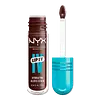 Key Ingredients

Benefits
Concerns
Ingredients Side-by-side
Water
Skin ConditioningDiisostearyl Malate
EmollientPolyglyceryl-2 Triisostearate
Emulsifying

Glycerin
Humectant


Bis-Behenyl/Isostearyl/Phytosteryl Dimer Dilinoleyl Dimer Dilinoleate
EmollientOctyldodecanol
Emollient
Cetyl PEG/PPG-10/1 Dimethicone
Emulsifying
Polyglyceryl-6 Polyhydroxystearate
Emulsifying
Polyglyceryl-6 Polyricinoleate
Emulsifying
Synthetic Wax
Abrasive

CI 77891
Cosmetic Colorant1,2-Hexanediol
Skin Conditioning
Sodium Chloride
MaskingDicaprylyl Carbonate
EmollientPhenoxyethanol
Preservative
Disteardimonium Hectorite
StabilisingEthylcellulose
Ethylene/Propylene Copolymer
Abrasive
Caprylyl Glycol
Emollient
Polyglycerin-6
HumectantCI 19140
Cosmetic ColorantMagnesium Sulfate
CI 17200
Cosmetic ColorantCI 15985
Cosmetic ColorantAroma


CI 45410
Cosmetic ColorantCI 42090
Cosmetic ColorantCyanocobalamin
Skin ConditioningTocopherol
Antioxidant





Pentaerythrityl Tetra-Di-T-Butyl Hydroxyhydrocinnamate
Antioxidant
Cocos Nucifera Oil
Masking



Water, Diisostearyl Malate, Polyglyceryl-2 Triisostearate, Glycerin, Bis-Behenyl/Isostearyl/Phytosteryl Dimer Dilinoleyl Dimer Dilinoleate, Octyldodecanol, Cetyl PEG/PPG-10/1 Dimethicone, Polyglyceryl-6 Polyhydroxystearate, Polyglyceryl-6 Polyricinoleate, Synthetic Wax, CI 77891, 1,2-Hexanediol, Sodium Chloride, Dicaprylyl Carbonate, Phenoxyethanol, Disteardimonium Hectorite, Ethylcellulose, Ethylene/Propylene Copolymer, Caprylyl Glycol, Polyglycerin-6, CI 19140, Magnesium Sulfate, CI 17200, CI 15985, Aroma, CI 45410, CI 42090, Cyanocobalamin, Tocopherol, Pentaerythrityl Tetra-Di-T-Butyl Hydroxyhydrocinnamate, Cocos Nucifera Oil
Diisostearyl Malate
EmollientPhytosteryl/Isostearyl/Cetyl/Stearyl/Behenyl Dimer Dilinoleate
Skin Conditioning
Hydrogenated Polyisobutene
EmollientPolybutene
Polyglyceryl-2 Diisostearate
Emulsifying
Butyrospermum Parkii Butter
Skin Conditioning
Cera Microcristallina
Emulsion StabilisingAroma
Synthetic Wax
Abrasive
Squalane
Emollient
Theobroma Grandiflorum Seed Butter
Skin Conditioning
Ricinus Communis Seed Oil
Masking
Tocopherol
Antioxidant
Isopropyl Titanium Triisostearate
Emollient
Synthetic Fluorphlogopite
Calcium Aluminum Borosilicate
Aluminum Calcium Sodium Silicate
Tin Oxide
Abrasive
Mica
Cosmetic ColorantVanillin
Masking

Citric Acid
Buffering
BHT
Antioxidant
CI 77891
Cosmetic ColorantCI 77491
Cosmetic ColorantCI 77492
Cosmetic ColorantCI 77499
Cosmetic ColorantCI 15850
Cosmetic ColorantCI 19140
Cosmetic ColorantCI 42090
Cosmetic ColorantDiisostearyl Malate, Phytosteryl/Isostearyl/Cetyl/Stearyl/Behenyl Dimer Dilinoleate, Hydrogenated Polyisobutene, Polybutene, Polyglyceryl-2 Diisostearate, Butyrospermum Parkii Butter, Cera Microcristallina, Aroma, Synthetic Wax, Squalane, Theobroma Grandiflorum Seed Butter, Ricinus Communis Seed Oil, Tocopherol, Isopropyl Titanium Triisostearate, Synthetic Fluorphlogopite, Calcium Aluminum Borosilicate, Aluminum Calcium Sodium Silicate, Tin Oxide, Mica, Vanillin, Citric Acid, BHT, CI 77891, CI 77491, CI 77492, CI 77499, CI 15850, CI 19140, CI 42090
Ingredients Explained
These ingredients are found in both products.
Ingredients higher up in an ingredient list are typically present in a larger amount.
Aroma refers to an ingredient, or mixture of ingredients, that impart or mask a flavor.
The name is slightly confusing. This is because INCI associates aroma with flavor instead of smell.
Here is the official definition from the The International Cosmetic Ingredient Dictionary and Handbook:
“Aroma is a term for ingredient labeling used to identify that a product contains a material or combination of materials normally added to a cosmetic to produce or to mask a particular flavor.”
INCI shows the only purpose of aroma to be "flavouring".
However, due to regulation differences, some companies may use aroma in place of parfum.
In Canada, this ingredient only has to be listed in concentrations above 1%.
Learn more about AromaCI 19140 is also known as Tartrazine. Tartrazine is a synthetic dye used in cosmetics, foods, and medicine to add a yellow color.
Tartrazine is created from petroleum and is water-soluble.
Some people may experience allergies from this dye, especially asthmatics and those with an aspirin intolerance.
Learn more about CI 19140Ci 42090 is a synthetic dye created from petroleum. It is used to give a bright blue color to cosmetics, medicine, and food.
Ci 77891 is a white pigment from Titanium dioxide. It is naturally found in minerals such as rutile and ilmenite.
It's main function is to add a white color to cosmetics. It can also be mixed with other colors to create different shades.
Ci 77891 is commonly found in sunscreens due to its ability to block UV rays.
Learn more about CI 77891Diisostearyl Malate is an emollient and most often used in lip products. It comes from isostearyl alcohol, a fatty acid, and malic acid, an AHA.
As an emollient, Diisostearyl Malate helps create a thin film on your skin to trap moisture in. This helps keep your skin soft and smooth.
Synthetic Wax is a manufactured hydrocarbon wax. In formulas, it works as an occlusive emollient that helps reduce water loss and improves the spreadability of products.
Research comparing synthetic wax to traditional mineral-derived products found that formulas containing it perform as well for skin hydration.
It is considered non-comedogenic and vegan-friendly.
This ingredient has a well-established safety record by the CIR Expert Panel for Cosmetic Ingredient Safety.
Synthetic Waxes are straight/branched-chain hydrocarbons with no ester bond or fatty acids. That means there is nothing for the Malassezia yeast to feed on.
Learn more about Synthetic WaxTocopherol is a fat-soluble antioxidant known as Vitamin E.
You'll find this ingredient in the vast majority of skincare (for good reason). It works to neutralize free radicals, or unstable molecules generated by UV exposure, pollution, and other environmental stressors, before they can cause oxidative damage to your skin cells.
Topically applied tocopherol has been shown to protect against UV damage by ramping up the skin's own natural defense enzymes.
It also acts as a skin conditioning agent; some studies show that regular topical use can improve the skin's water-binding capacity over 2-4 weeks.
This ingredient is especially loved for being a team player. When combined with Vitamin C, the photoprotective effect of both ingredients roughly doubles and the combo also helps reduce UV-induced DNA damage.
This ingredient has some brightening potential but it's more of a prevention ingredient than spot-fader. Cell studies show it can slow down melanin production but it's worth noting that it's not the most powerful brightener out there.
In formulations, it also serves as a stabilizer that helps protect other oxidation-prone ingredients from degrading.
Concentrations usually range from 0.1-1% in most leave-on products.
Learn more about Tocopherol

