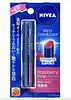
This barrier-repair lip moisturizer is formulated around Persea Gratissima Oil and Simmondsia Chinensis Seed Oil to strengthen the lip barrier and hydrate lips.
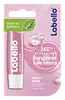
This barrier-repair lip moisturizer is formulated around Ricinus Communis Seed Oil and Butyrospermum Parkii Butter to strengthen the lip barrier and hydrate lips.

What's inside
What's inside
 Key Ingredients
Benefits
Concerns
Ingredients Side-by-side
Hydrogenated Polyisobutene
EmollientNeopentyl Glycol Dicaprate
EmollientPentaerythrityl Tetraisostearate
Emollient

Diisostearyl Malate
EmollientDiphenylsiloxy Phenyl Trimethicone
Skin Conditioning
Polyethylene
Abrasive

Dipentaerythrityl Hexahydroxystearate
EmulsifyingStearic Acid
Cleansing

Ethylhexyl Methoxycinnamate
UV Absorber


Phytosteryl/Octyldodecyl Lauroyl Glutamate
Skin ConditioningPersea Gratissima Oil
Skin Conditioning

Simmondsia Chinensis Seed Oil
Emollient

Macadamia Integrifolia Seed Oil
Skin Conditioning
Tocopherol
Antioxidant





Polyglyceryl-2 Triisostearate
Emulsifying
Microcrystalline Wax
Emulsion StabilisingButyl Methoxydibenzoylmethane
UV Absorber
Mica
Cosmetic ColorantIron Oxides
Titanium Dioxide
Cosmetic Colorant
Aluminum Hydroxide
EmollientBarium Sulfate
Cosmetic ColorantCI 19140
Cosmetic ColorantCI 15850
Cosmetic ColorantCI 73360
Cosmetic ColorantHydrogenated Polyisobutene, Neopentyl Glycol Dicaprate, Pentaerythrityl Tetraisostearate, Diisostearyl Malate, Diphenylsiloxy Phenyl Trimethicone, Polyethylene, Dipentaerythrityl Hexahydroxystearate, Stearic Acid, Ethylhexyl Methoxycinnamate, Phytosteryl/Octyldodecyl Lauroyl Glutamate, Persea Gratissima Oil, Simmondsia Chinensis Seed Oil, Macadamia Integrifolia Seed Oil, Tocopherol, Polyglyceryl-2 Triisostearate, Microcrystalline Wax, Butyl Methoxydibenzoylmethane, Mica, Iron Oxides, Titanium Dioxide, Aluminum Hydroxide, Barium Sulfate, CI 19140, CI 15850, CI 73360
Octyldodecanol
Emollient
Ricinus Communis Seed Oil
Masking
Cera Alba
Emollient
Cocoglycerides
Emollient
Butyrospermum Parkii Butter
Skin Conditioning
Hydrogenated Castor Oil
Emollient
Mica
Cosmetic ColorantPersea Gratissima Oil
Skin Conditioning
Simmondsia Chinensis Seed Oil
Emollient
Hydrolyzed Pearl
Skin ConditioningHydrolyzed Silk
Humectant
Tocopherol
Antioxidant
Ascorbyl Palmitate
Antioxidant
Water
Skin ConditioningNeohesperidin Dihydrochalcone
Masking
BHT
Antioxidant
Benzyl Alcohol
Perfuming


Parfum
Masking
CI 77891
Cosmetic ColorantCI 77492
Cosmetic ColorantCI 15850
Cosmetic ColorantHelianthus Annuus Seed Cera
Emollient
Octyldodecanol, Ricinus Communis Seed Oil, Cera Alba, Cocoglycerides, Butyrospermum Parkii Butter, Hydrogenated Castor Oil, Mica, Persea Gratissima Oil, Simmondsia Chinensis Seed Oil, Hydrolyzed Pearl, Hydrolyzed Silk, Tocopherol, Ascorbyl Palmitate, Water, Neohesperidin Dihydrochalcone, BHT, Benzyl Alcohol, Parfum, CI 77891, CI 77492, CI 15850, Helianthus Annuus Seed Cera
Reviews
Ingredients Explained
These ingredients are found in both products.
Ingredients higher up in an ingredient list are typically present in a larger amount.
Ci 15850 is the pigment color red. It is an azo dye and created synthetically.
Azo dyes need to be thoroughly purified before use. This allows them to be more stable and longer-lasting.
This ingredient is common in foundations, lipsticks, and blushes. This color is described as brown/orangey red.
It has many secondary names such as Red 6 and Red 7. According to a manufacturer, Red 6 usually contains aluminum.
Learn more about CI 15850Mica is a naturally occurring mineral used to add shimmer and color in cosmetics. It can also help improve the texture of a product or give it an opaque, white/silver color.
Serecite is the name for very fine but ragged grains of mica.
This ingredient is often coated with metal oxides like titanium dioxide. Trace amounts of heavy metals may be found in mica, but these metals are not harmful in our personal products.
Mica has been used since prehistoric times throughout the world. Ancient Egyptian, Indian, Greek, Roman, Aztec, and Chinese civilizations have used mica.
Learn more about MicaThis ingredient is also known as Avocado oil. It's the cold-pressed oil from the flesh of the avocado fruit packed with fatty acids (mostly oleic acid).
The rich fatty acid profile allows it to function as a skin conditioning agent and emollient; it helps soften and smooth skin while reducing water loss.
Preclinical research has found that topical avocado oil increased collagen synthesis and reduced inflammation during wound healing, giving it some skin-repairing credibility.
The unsaponifiable fraction of the oil is also interesting: studies on avocado unsaponifiables showed that it helped skin produce more collagen and other structural compounds that support healing.
The CIR Expert Panel has found this ingredient to be non-irritating in formulations.
This ingredient may not be fungal acne safe. This is because the oleic acid content falls within the range that Malassezia can use as a food source.
This ingredient does have a comedogenic rating of 0-3, but this doesn't mean a formula with this ingredient will clog pores. Human testing has proved that any finished product with a comedogenic ingredient won't automatically make you break out; it really comes down to concentration, formula, and your skin.
Learn more about Persea Gratissima OilJojoba oil is one of the most well-studied plant-derived ingredients in cosmetics. It is an emollient with a special structure.
Because it is made up of 97-98% wax esters, it closely mirrors the linear monoesters found in human sebum. This makes it skin compatible, non-greasy, and lightweight.
Unlike other plant oils, jojoba wax doesn't easily penetrate skin. It mostly works in the uppermost layers as an emollient. This just means it forms a light barrier on the skin to help retain moisture.
Formulations with jojoba esters up to 90% reduced transepidermal water loss (TEWL) and increased barrier recovery by 81% (outperforming bisabolol at 47%).
Besides barrier support, the science also suggests jojoba to have anti-inflammatory effects and potential applications for skin infections, aging, and wound healing.
Fun fact: Indigenous cultures have used jojoba as a moisturizer and to help treat burns for centuries.
Fungal acne: The Malassezia yeast is known to metabolize fatty acids in the C11-24 range and jojoba's dominant fatty acid components fall into this range. This ingredient may not be fungal acne safe.
Learn more about Simmondsia Chinensis Seed OilTocopherol is a fat-soluble antioxidant known as Vitamin E.
You'll find this ingredient in the vast majority of skincare (for good reason). It works to neutralize free radicals, or unstable molecules generated by UV exposure, pollution, and other environmental stressors, before they can cause oxidative damage to your skin cells.
Topically applied tocopherol has been shown to protect against UV damage by ramping up the skin's own natural defense enzymes.
It also acts as a skin conditioning agent; some studies show that regular topical use can improve the skin's water-binding capacity over 2-4 weeks.
This ingredient is especially loved for being a team player. When combined with Vitamin C, the photoprotective effect of both ingredients roughly doubles and the combo also helps reduce UV-induced DNA damage.
This ingredient has some brightening potential but it's more of a prevention ingredient than spot-fader. Cell studies show it can slow down melanin production but it's worth noting that it's not the most powerful brightener out there.
In formulations, it also serves as a stabilizer that helps protect other oxidation-prone ingredients from degrading.
Concentrations usually range from 0.1-1% in most leave-on products.
Learn more about Tocopherol

