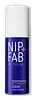
This anti-aging serum is formulated around Retinol and Bakuchiol to soften the look of wrinkles and refine skin texture.
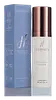
This hydrating serum is formulated around Hyaluronic Acid and Nicotiana Benthamiana Hexapeptide-40 Sh-Polypeptide-76 to hydrate skin and strengthen the skin barrier.


What's inside
What's inside
 Key Ingredients
Benefits
Concerns
Ingredients Side-by-side
Water
Skin ConditioningGlycerin
Humectant


Ammonium Acryloyldimethyltaurate/Vp Copolymer
PEG-40 Hydrogenated Castor Oil
Emulsifying


Caprylic/Capric Triglyceride
Masking
Dimethicone
Emollient
Retinol
Skin Conditioning








Phenoxyethanol
Preservative
Glyceryl Polymethacrylate
Butylene Glycol
Humectant
Benzyl Alcohol
Perfuming




Phospholipids
Skin Conditioning
Parfum
Masking
Propylene Glycol
Humectant
Bakuchiol
Antimicrobial



Bisabolol
Antioxidant
Ethylhexylglycerin
Skin ConditioningDisodium EDTA
ChelatingHyaluronic Acid
Humectant
Dehydroacetic Acid
Preservative
Sodium Lactate
Buffering
Carbomer
Emulsion StabilisingPolysorbate 20
Emulsifying
Palmitoyl Tripeptide-1
Skin Conditioning
Palmitoyl Tetrapeptide-7
Skin Conditioning
Benzyl Salicylate
Perfuming
Hexyl Cinnamal
Perfuming
Limonene
Perfuming
Linalool
Perfuming
Water, Glycerin, Ammonium Acryloyldimethyltaurate/Vp Copolymer, PEG-40 Hydrogenated Castor Oil, Caprylic/Capric Triglyceride, Dimethicone, Retinol, Phenoxyethanol, Glyceryl Polymethacrylate, Butylene Glycol, Benzyl Alcohol, Phospholipids, Parfum, Propylene Glycol, Bakuchiol, Bisabolol, Ethylhexylglycerin, Disodium EDTA, Hyaluronic Acid, Dehydroacetic Acid, Sodium Lactate, Carbomer, Polysorbate 20, Palmitoyl Tripeptide-1, Palmitoyl Tetrapeptide-7, Benzyl Salicylate, Hexyl Cinnamal, Limonene, Linalool
Water
Skin ConditioningHyaluronic Acid
Humectant
Dimethicone
Emollient
Glycerin
Humectant
Propanediol
Solvent
Butylene Glycol
Humectant
Nicotiana Benthamiana Hexapeptide-40 Sh-Polypeptide-76
Skin Conditioning
Algae Extract
Emollient
Zingiber Officinale Root Extract
Masking
Agastache Mexicana Flower/Leaf/Stem Extract
Skin ConditioningTerminalia Ferdinandiana Fruit Extract
Antioxidant
Bisabolol
Antioxidant
Pullulan
Tetrasodium Glutamate Diacetate
ChelatingCarbomer
Emulsion StabilisingDimethicone Crosspolymer
Emulsion Stabilising
C13-14 Isoparaffin
Emollient
Laureth-7
EmulsifyingPolyacrylamide
Sodium Hydroxide
BufferingChlorphenesin
Antimicrobial
Caprylyl Glycol
Emollient
Phenoxyethanol
Preservative
Water, Hyaluronic Acid, Dimethicone, Glycerin, Propanediol, Butylene Glycol, Nicotiana Benthamiana Hexapeptide-40 Sh-Polypeptide-76, Algae Extract, Zingiber Officinale Root Extract, Agastache Mexicana Flower/Leaf/Stem Extract, Terminalia Ferdinandiana Fruit Extract, Bisabolol, Pullulan, Tetrasodium Glutamate Diacetate, Carbomer, Dimethicone Crosspolymer, C13-14 Isoparaffin, Laureth-7, Polyacrylamide, Sodium Hydroxide, Chlorphenesin, Caprylyl Glycol, Phenoxyethanol
Ingredients Explained
These ingredients are found in both products.
Ingredients higher up in an ingredient list are typically present in a larger amount.
Bisabolol is a gentle skin conditioner, antioxidant, and soothing ingredient.
It's primary claim to fame is soothing and research shows topically applied bisabolol can quiet the chemical messengers that cause your skin to become inflamed, helping to sooth any irritation.
A clinical study found that applying 0.5% bisabolol daily for 8 weeks produced an average 9% decrease in skin pigmentation. Researchers found it can also suppress the process that leads to excess melanin production in skin.
In vitro studies found that bisabolol combined with propylene glycol significantly increased skin permeability by increasing lipid fluidity in the stratum corneum.
You'll likely see use concentrations quite low, usually 0.1-0.2%.
Overall, this is a well-tolerated ingredient that works well in formulas designed for sensitive, reactive, or post-procedure skin.
Learn more about BisabololButylene Glycol (or BG) is used within cosmetic products for a few different reasons:
Overall, Butylene Glycol is a safe and well-rounded ingredient that works well with other ingredients.
Though this ingredient works well with most skin types, some people with sensitive skin may experience a reaction such as allergic rashes, closed comedones, or itchiness.
Learn more about Butylene GlycolCarbomer is a synthetic thickening and gelling agent. It's basically the ingredient that gives a lot of serums, gels, creams, and sunscreens their smooth, non-sticky texture.
Although legally permitted at very high levels, carbomers are normally used at concentrations below 1%.
It also needs to be neutralized to actually thicken, and because it is a large molecule, it doesn't really penetrate the skin barrier.
Allergy-wise, the risk is very low. Clinical studies show carbomers have low potential for skin irritation/sensitization even at concentrations up to 100%.
A 2024 UK study patch-tested 1,302 patients and found true allergy to the parent group of carbomer to be rare with no confirmed relevant reactions.
Learn more about CarbomerDimethicone is a type of synthetic silicone created from natural materials such as quartz. It is also known as polydimethylsiloxane.
What it does:
Dimethicone comes in different viscosities:
Depending on the viscosity, dimethicone has different properties.
Ingredients lists don't always show which type is used, so we recommend reaching out to the brand if you have questions about the viscosity.
This ingredient is unlikely to cause irritation because it does not get absorbed into skin. However, people with silicone allergies should be careful about using this ingredient.
Note: Dimethicone may contribute to pilling. This is because it is not oil or water soluble, so pilling may occur when layered with products. When mixed with heavy oils in a formula, the outcome is also quite greasy.
Learn more about DimethiconeGlycerin (or glycerol) is a compound naturally found in your skin. It's a powerhouse humectant that pulls water into the stratum corneum.
Topically, glycerin does several things at once:
Your skin makes glycerin on its own (mostly from sebaceous oil breakdown) and shuttles it to your outermost layer of skin, or your epidermis, via aquaporin-3.
Aquaporin-3 is a transporter that is essential for normal skin hydration, elasticity, and repair. Interestingly, mice lacking in AQP3 have dry and less elastic skin that can be fully corrected with glycerin.
This ingredient is non-irritating, plays well with almost every ingredient, and works across all skin types. Typical use is anywhere between 3-10% but can go up to 79% in some leave-on products.
Just know very high concentrations (>40%) can feel tacky in low humidity.
Glycerin is the name for this ingredient in American English. British English uses Glycerol/Glycerine.
Learn more about GlycerinHyaluronic acid (HA) is a glycosaminoglycan (basically a long sugar chain) that your skin already makes on its own. In your skin, HA lives in the extracellular matrix and acts as the body's moisture reservoir.
Topically, HA is a humectant that binds water and helps skin look more plump, smooth, and hydrated.
The only catch is that HA isn't a single thing; it actually comes in a wide range of molecular weights (~50 - 2,000+ kDA) and size matters.
Some clinical evidence links low molecular weight versions to improved wrinkle depth, elasticity, anti-inflammatory effects, and barrier repair.
This is why the best HA serums blend the two sizes together so you get the best of both worlds.
The majority of cosmetic HA is produced by bacterial fermentation, typically using Streptococcus or Bacillus strains. Typical use levels in skincare sit around 0.1-2%.
A clinical study using a 0.2% low-molecular weight HA gel showed improvement in facial seborrheic dermatitis with excellent tolerance.
These are some other common types of Hyaluronic Acid:
Learn more about Hyaluronic AcidPhenoxyethanol is one of the most widely used preservatives in skincare (and for good reason!).
It has a large spectrum of antimicrobial activity and especially effective bacteria, yeast, and mold while only having a weak effect on your skin's natural microbiome.
On a cellular level, it disrupts the cell membranes of microbes by poking holes that make the cell leak. This shuts down the chemical reactions the microbe needs to make energy so it can no longer survive.
Another perk of this ingredient is that it stays functional across a wide pH range (3-10).
You'll often see it paired with boosters like Ethylhexylglycerin; one study showed that a 1:9 ratio of Ethylhexylglycerin to Phenoxyethanol damages bacterial membranes as effectively as doubling the Phenoxyethanol concentration on its own.
Typical use concentrations range from 0.3-1% depending on the formula, and this ingredient is capped at 1% int the EU.
Safety-wise, the fear mongering does not hold up to the evidence. The EU's Scientific Committee on Consumer Safety and FDA consider it safe as a preservative at up to 1%, including for children of all ages.
Adverse systemic effects only showed up in animal studies at exposures roughly 200x higher than what people get from cosmetics. And despite its very widespread use, this ingredient is a rare sensitizer and allergic reactions are uncommon.
Learn more about PhenoxyethanolWater. It's the most common cosmetic ingredient of all. You'll usually see it at the top of ingredient lists, meaning that it makes up the largest part of the product.
So why is it so popular? Water most often acts as a solvent - this means that it helps dissolve other ingredients into the formulation.
You'll also recognize water as that liquid we all need to stay alive. If you see this, drink a glass of water. Remember to stay hydrated!
Learn more about Water

