Neutrogena Rapid Wrinkle Repair Retinol Pro+ .5% Power Serum Versus Dior Capture Youth Intense Rescue
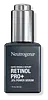
This anti-aging serum is formulated around Retinol and Bisabolol to soften the look of wrinkles and refine skin texture.
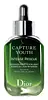
This hydrating serum is formulated around Argania Spinosa Kernel Oil and Centella Asiatica Leaf Extract to hydrate skin and strengthen the skin barrier.


What's inside
What's inside
 Key Ingredients
Benefits
Concerns
Ingredients Side-by-side




Water
Skin ConditioningGlycerin
Humectant


Butylene Glycol
Humectant
Dimethicone
Emollient
Propanediol
Solvent
Methyl Gluceth-20
Humectant
Phenoxyethanol
Preservative
PPG-26-Buteth-26
Skin ConditioningArgania Spinosa Kernel Oil
Emollient





PEG-40 Hydrogenated Castor Oil
Emulsifying
Parfum
Masking



Acrylates/C10-30 Alkyl Acrylate Crosspolymer
Emulsion StabilisingDimethicone/Vinyl Dimethicone Crosspolymer
Skin Conditioning
Pentylene Glycol
Skin Conditioning
Sodium Hydroxide
BufferingAmodimethicone
Aphanothece Sacrum Polysaccharide
AbsorbentCarbomer
Emulsion StabilisingCentella Asiatica Leaf Extract
Skin Conditioning

Disodium EDTA
Adenosine
Skin Conditioning
Calophyllum Inophyllum Seed Oil
Antimicrobial
Sodium Tocopheryl Phosphate
Antioxidant
Iris Florentina Root Extract
MaskingBHT
Antioxidant
CI 19140
Cosmetic ColorantCI 14700
Cosmetic ColorantTocopherol
Antioxidant

Water, Glycerin, Butylene Glycol, Dimethicone, Propanediol, Methyl Gluceth-20, Phenoxyethanol, PPG-26-Buteth-26, Argania Spinosa Kernel Oil, PEG-40 Hydrogenated Castor Oil, Parfum, Acrylates/C10-30 Alkyl Acrylate Crosspolymer, Dimethicone/Vinyl Dimethicone Crosspolymer, Pentylene Glycol, Sodium Hydroxide, Amodimethicone, Aphanothece Sacrum Polysaccharide, Carbomer, Centella Asiatica Leaf Extract, Disodium EDTA, Adenosine, Calophyllum Inophyllum Seed Oil, Sodium Tocopheryl Phosphate, Iris Florentina Root Extract, BHT, CI 19140, CI 14700, Tocopherol
Reviews
Ingredients Explained
These ingredients are found in both products.
Ingredients higher up in an ingredient list are typically present in a larger amount.
BHT is a synthetic antioxidant and preservative.
As an antioxidant, it helps your body fight off free-radicals. Free-radicals are molecules that may damage your skin cells.
As a preservative, it is used to stabilize products and prevent them from degrading. Specifically, BHT prevents degradation from oxidation.
The concerns related to BHT come from oral studies; this ingredient is currently allowed for use by both the FDA and EU.
However, it was recently restricted for use in the UK as of April 2024.
Learn more about BHTParfum is a catch-all term for an ingredient or more that is used to give a scent to products.
Also called "fragrance", this ingredient can be a blend of hundreds of chemicals or plant oils. This means every product with "fragrance" or "parfum" in the ingredients list is a different mixture.
For instance, Habanolide is a proprietary trade name for a specific aroma chemical. When used as a fragrance ingredient in cosmetics, most aroma chemicals fall under the broad labeling category of “FRAGRANCE” or “PARFUM” according to EU and US regulations.
The term 'parfum' or 'fragrance' is not regulated in many countries. In many cases, it is up to the brand to define this term.
For instance, many brands choose to label themselves as "fragrance-free" because they are not using synthetic fragrances. However, their products may still contain ingredients such as essential oils that are considered a fragrance by INCI standards.
One example is Calendula flower extract. Calendula is an essential oil that still imparts a scent or 'fragrance'.
Depending on the blend, the ingredients in the mixture can cause allergies and sensitivities on the skin. Some ingredients that are known EU allergens include linalool and citronellol.
Parfum can also be used to mask or cover an unpleasant scent.
The bottom line is: not all fragrances/parfum/ingredients are created equally. If you are worried about fragrances, we recommend taking a closer look at an ingredient. And of course, we always recommend speaking with a professional.
Learn more about Parfum

