
What's inside
What's inside
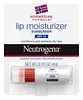 Key Ingredients
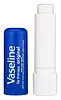
Benefits
Concerns
Ingredients Side-by-side
Ricinus Communis Seed Oil
Masking



Paraffin
Perfuming
Cera Alba
Emollient

Cetyl Palmitate
Emollient
Ethylhexyl Methoxycinnamate
UV Absorber


Cetearyl Alcohol
Emollient

Isopropyl Myristate
Emollient
Cetyl Alcohol
Emollient
Candelilla Cera
Emollient
Cera Microcristallina
Emulsion StabilisingBisabolol
Antioxidant




Isopropyl Palmitate
Emollient
Isopropyl Laurate
EmollientStearic Acid
Cleansing
Palmitic Acid
Emollient
Propylene Glycol
Humectant

Sodium Cetearyl Sulfate
Cleansing
Sodium Sulfate
Citric Acid
Buffering

BHA
Antioxidant
BHT
Antioxidant
Parfum
Masking
Ricinus Communis Seed Oil, Paraffin, Cera Alba, Cetyl Palmitate, Ethylhexyl Methoxycinnamate, Cetearyl Alcohol, Isopropyl Myristate, Cetyl Alcohol, Candelilla Cera, Cera Microcristallina, Bisabolol, Isopropyl Palmitate, Isopropyl Laurate, Stearic Acid, Palmitic Acid, Propylene Glycol, Sodium Cetearyl Sulfate, Sodium Sulfate, Citric Acid, BHA, BHT, Parfum
Octyldodecanol
Emollient
Microcrystalline Wax
Emulsion StabilisingCaprylic/Capric Triglyceride
Masking
Ricinus Communis Seed Oil
Masking
Cetyl Palmitate
Emollient
Petrolatum
Emollient
Myristyl Myristate
Emollient
Polyglyceryl-3 Distearate
Emulsifying
Water
Skin ConditioningButyrospermum Parkii Butter
Skin Conditioning
Copernicia Cerifera Wax
Cetearyl Alcohol
Emollient
C20-40 Alkyl Stearate
Skin ConditioningBeeswax
Emulsion Stabilising
Glycerin
Humectant
Tocopheryl Acetate
Antioxidant
Panthenol
Skin Conditioning
Octyldodecanol, Microcrystalline Wax, Caprylic/Capric Triglyceride, Ricinus Communis Seed Oil, Cetyl Palmitate, Petrolatum, Myristyl Myristate, Polyglyceryl-3 Distearate, Water, Butyrospermum Parkii Butter, Copernicia Cerifera Wax, Cetearyl Alcohol, C20-40 Alkyl Stearate, Beeswax, Glycerin, Tocopheryl Acetate, Panthenol
Reviews
Alternatives
Ingredients Explained
These ingredients are found in both products.
Ingredients higher up in an ingredient list are typically present in a larger amount.
Cetearyl alcohol is a waxy mixture of two fatty alcohols: cetyl alcohol and stearyl alcohol. It is an emollient and emulsifier.
Despite having "alcohol" in its name, it has nothing to do with drying solvent alcohols; the FDA also allows "alcohol-free" products to contain fatty alcohols like this ingredient.
It plays several roles in a formula:
Typical use levels for this ingredient sit around 1-10% and the Cosmetic Ingredient Review Expert Panel has affirmed safety at concentrations up to 25% in leave-on products.
Multiple assessments have found it to be non-irritating and non-sensitizing to most people.
However, there have been some cases of allergic contact dermatitis in patients with chronically compromised skin barriers.
Cetearyl alcohol has a comedogenic rating of 2 and irritancy rating of 1. Both of these numbers come from the 1989 study that used rabbit ears; a "2" means mildly comedogenic and a "1" means low irritancy.
Here's the catch: rabbit skin is more sensitive than human skin and throws a lot of false positives. A 1996 reappraisal found that ingredients rated 1-2 in the rabbit ear tests are generally safe for humans.
Remember comedogenic ratings are unable to assess the entire formula of a product or how it will react on your skin. Just be sure to patch test if you are unsure about certain ingredients.
This ingredient is not fungal acne safe. Cetearyl alcohol is a fatty alcohol with chain lengths that fall within the range that Malassezia can metabolize.
Learn more about Cetearyl AlcoholCetyl Palmitate is a wax-like substance.
It comes from palmitic acid and palmityl alcohol. Cetyl Palmitate may not be safe for Malassezia folliculitis, or fungal-acne.
This ingredient is naturally found in the guava fruit and stony corals.
Learn more about Cetyl PalmitateThis ingredient is also known as castor oil. It is a skin conditioning ingredient.
The star component of castor oil is ricinoleic acid, an unusual fatty acid that makes up ~80-92% of its composition.
In skincare, it is an emollient that dries down to a solid film with water-binding properties. This helps keep skin hydrated and helps reduce transepidermal water loss (TEWL).
A 2026 dermatology review pulls together its broader uses:
Human clinical testing found this ingredient to be non-irritating and non-sensitizing.
Because castor oil contains fatty acids in the C11-24 range, this ingredient may not be fungal acne safe.
At this time, the literature does not support castor oil in regrowing hair. A 2022 systematic review found no strong evidence that it supports hair growth and only weak evidence that it improves hair shine.
Castor oil itself carries "perfuming" and "masking" function tags according to the official CosIng database. This is because of its mild odor and odor-dampening properties.
Learn more about Ricinus Communis Seed Oil
