This barrier-repair moisturizer is formulated around Sodium Hyaluronate to strengthen the skin barrier and hydrate skin.


What's inside
What's inside
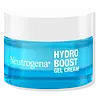 Key Ingredients
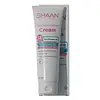
Benefits
Concerns
Ingredients Side-by-side
Water
Skin ConditioningGlycerin
Humectant


Dimethicone
Emollient
Cetearyl Olivate


Sorbitan Olivate
Emulsifying
Sodium Hyaluronate
Humectant


Serine
Masking
Glycine
Buffering
Alanine
Masking
Threonine
Arginine
Masking
Proline
Skin Conditioning
Lysine Hcl
Skin Conditioning
Glutamic Acid
Humectant
Sodium PCA
Humectant
PCA
Humectant
Sodium Lactate
Buffering
Urea
Buffering

Sodium Chloride
MaskingCitric Acid
Buffering

Betaine
Humectant
Allantoin
Skin Conditioning
Fructose
Humectant
Maltose
MaskingTrehalose
Humectant
Glucose
Humectant
Pentylene Glycol
Skin Conditioning
Synthetic Beeswax
Emulsion Stabilising
Polyacrylate Crosspolymer-6
Emulsion StabilisingDimethicone Crosspolymer
Emulsion Stabilising
Dimethiconol
Emollient
Ethylhexylglycerin
Skin ConditioningCaprylyl Glycol
Emollient
Sodium Hydroxide
BufferingWater, Glycerin, Dimethicone, Cetearyl Olivate, Sorbitan Olivate, Sodium Hyaluronate, Serine, Glycine, Alanine, Threonine, Arginine, Proline, Lysine Hcl, Glutamic Acid, Sodium PCA, PCA, Sodium Lactate, Urea, Sodium Chloride, Citric Acid, Betaine, Allantoin, Fructose, Maltose, Trehalose, Glucose, Pentylene Glycol, Synthetic Beeswax, Polyacrylate Crosspolymer-6, Dimethicone Crosspolymer, Dimethiconol, Ethylhexylglycerin, Caprylyl Glycol, Sodium Hydroxide









Reviews
Ingredients Explained
These ingredients are found in both products.
Ingredients higher up in an ingredient list are typically present in a larger amount.
Allantoin is a soothing ingredient known for its protective and moisturizing properties; it's basically a quiet workhorse ingredient you can find in a huge range of cosmetics.
Though it can be derived from the comfrey plant, allantoin is produced synthetically for cosmetic products to ensure purity.
Research shows it can encourage your skin cells to turn over and renew by stimulating keratinocyte and fibroblast proliferation.
It also has mild keratolytic properties to help loosen and shed dead skin cells without being harsh.
Studies also suggest allantoin can help calm inflammation by dialing down some of the chemical signals your skin sends out when it is irritated.
This ingredient is typically used in the 0.1-0.5% range, and the FDA recognizes it as a skin protectant in OTC products up to 2%.
Overall, allantoin is a wonderful addition to most routines; it is stable across a wide pH range (~4-8), works well with other ingredients, and is considered non-sensitizing/non-irritating.
Fun fact: Allantoin is naturally occurring in comfrey root, beets, chamomile, and wheat sprouts. Our bodies even produce it as a byproduct of uric acid metabolism.
Learn more about AllantoinGlycerin (or glycerol) is a compound naturally found in your skin. It's a powerhouse humectant that pulls water into the stratum corneum.
Topically, glycerin does several things at once:
Your skin makes glycerin on its own (mostly from sebaceous oil breakdown) and shuttles it to your outermost layer of skin, or your epidermis, via aquaporin-3.
Aquaporin-3 is a transporter that is essential for normal skin hydration, elasticity, and repair. Interestingly, mice lacking in AQP3 have dry and less elastic skin that can be fully corrected with glycerin.
This ingredient is non-irritating, plays well with almost every ingredient, and works across all skin types. Typical use is anywhere between 3-10% but can go up to 79% in some leave-on products.
Just know very high concentrations (>40%) can feel tacky in low humidity.
Glycerin is the name for this ingredient in American English. British English uses Glycerol/Glycerine.
Learn more about Glycerin

