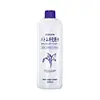
This calming toner is formulated around Dipotassium Glycyrrhizate to calm redness.
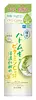
This brightening toner is formulated around Ascorbyl Glucoside and Zinc Gluconate to brighten dull-looking skin.

What's inside
What's inside
 Key Ingredients
No key ingredients
Benefits
Concerns
Ingredients Side-by-side


Water
Skin ConditioningPropanediol
Solvent

Glycerin
Humectant
Butylene Glycol
Humectant
Carbomer
Emulsion StabilisingSilica
Abrasive


Disodium Succinate
MaskingPotassium Hydroxide
BufferingMethylparaben
Preservative



Phenoxyethanol
Preservative
Succinic Acid
BufferingDisodium EDTA
ChelatingPolysorbate 20
Emulsifying

Styrene/Vp Copolymer
Xanthan Gum
EmulsifyingBetaine
Humectant
Sodium Chloride
MaskingAscorbyl Glucoside
Antioxidant



Arginine
Masking
Menthol
Masking


Magnesium Aspartate
Skin ConditioningZinc Gluconate
Skin Conditioning

Mentha Arvensis Leaf Oil
Masking
Propylene Glycol
Humectant
Zinc Hydrolyzed Hyaluronate
HumectantCalcium Chloride
AstringentPotassium Chloride
Copper Gluconate
Skin Conditioning
Rosmarinus Officinalis Leaf Oil
Masking
Eucalyptus Globulus Leaf Oil
Perfuming

Acrylic Acid
Sorbic Acid
Preservative
Coix Lacryma-Jobi Ma-Yuen Seed Extract
Skin ConditioningWater, Propanediol, Glycerin, Butylene Glycol, Carbomer, Silica, Disodium Succinate, Potassium Hydroxide, Methylparaben, Phenoxyethanol, Succinic Acid, Disodium EDTA, Polysorbate 20, Styrene/Vp Copolymer, Xanthan Gum, Betaine, Sodium Chloride, Ascorbyl Glucoside, Arginine, Menthol, Magnesium Aspartate, Zinc Gluconate, Mentha Arvensis Leaf Oil, Propylene Glycol, Zinc Hydrolyzed Hyaluronate, Calcium Chloride, Potassium Chloride, Copper Gluconate, Rosmarinus Officinalis Leaf Oil, Eucalyptus Globulus Leaf Oil, Acrylic Acid, Sorbic Acid, Coix Lacryma-Jobi Ma-Yuen Seed Extract
Reviews
Ingredients Explained
These ingredients are found in both products.
Ingredients higher up in an ingredient list are typically present in a larger amount.
Butylene Glycol (or BG) is used within cosmetic products for a few different reasons:
Overall, Butylene Glycol is a safe and well-rounded ingredient that works well with other ingredients.
Though this ingredient works well with most skin types, some people with sensitive skin may experience a reaction such as allergic rashes, closed comedones, or itchiness.
Learn more about Butylene GlycolYou might know this plant as Job's Tears or Chinese pearl barley. It is a grain native to Southeast Asia.
This ingredient has skin conditioning properties. Emerging studies show the grain to exhibit antioxidant and anti-inflammation properties as well. (With one study finding this ingredient to be effective at blocking melanin when skin is exposed to UV).
Job's tears is rich in nutrients, such as thiamine, riboflavin, niacin and ascorbic acid.
You can also find great antioxidants such as ferulic acid, caffeic acid.
To top if off, ceramides are also present in this grain.
Learn more about Coix Lacryma-Jobi Ma-Yuen Seed ExtractGlycerin (or glycerol) is a compound naturally found in your skin. It's a powerhouse humectant that pulls water into the stratum corneum.
Topically, glycerin does several things at once:
Your skin makes glycerin on its own (mostly from sebaceous oil breakdown) and shuttles it to your outermost layer of skin, or your epidermis, via aquaporin-3.
Aquaporin-3 is a transporter that is essential for normal skin hydration, elasticity, and repair. Interestingly, mice lacking in AQP3 have dry and less elastic skin that can be fully corrected with glycerin.
This ingredient is non-irritating, plays well with almost every ingredient, and works across all skin types. Typical use is anywhere between 3-10% but can go up to 79% in some leave-on products.
Just know very high concentrations (>40%) can feel tacky in low humidity.
Glycerin is the name for this ingredient in American English. British English uses Glycerol/Glycerine.
Learn more about GlycerinMethylparaben is a synthetic preservative and one of the most widely used in the world. It has a simple, but important job: prevent your products from going bad by stopping bacteria, yeast, and mold from growing.
Typical use levels are low, often 0.1-0.3%.
This is also one of the most heavily studied preservatives out there and major regulatory bodies have repeatedly given it the green light.
In 2023, the EU's Scientific Committee on Consumer Safety (SCCS) confirmed that this ingredient is safe up to 0.4% on its own, of up to 0.8% when mixed with other paraben esters.
Here's the science behind the noise behind parabens/hormones as well:
Methylparaben shows very weak estrogen-like activity in vitro tests (more than 1,000x weaker than your body's own estradiol). In vivo (live-organism) studies don't support a meaningful endocrine-disrupting effect either.
You get a stronger estrogenic effect from eating tofu, actually.
It's also a low sensitizer and allergic reactions are uncommon; they usually happen on damage or broken skin.
There is a caveat: France has proposed to formally re-examine its endocrine classification in 2025 so the regulatory conversation isn't fully closed as of yet.
But as it stands today, this ingredient is considered safe at permitted levels.
Learn more about MethylparabenSorbic Acid is a preservative that stops your product from spoiling by stopping microbes from growing.
As a preservative, it's kind of a specialist: it has a broad spectrum of activity against yeast and molds but is weaker against bacteria. That's why it's often paired with another preservative to cover that gap.
This ingredient is also pretty picky about pH; it performs best at pH 6.5 or below.
At the right pH level, sorbic acid is "active" and can slip through the outer wall of a microbe. Once inside, it turns the cell's interior more acidic to shut down the microbe from the inside.
The EU caps this ingredient at 0.6% while the CIR has concluded it's safe at concentrations up to 1%. It's most often used around 0.05-0.2% in cosmetics.
Though this ingredient is considered low-sensitizing and well-tolerated, a very small number of people may have a contact allergy to it. Be sure to patch test if you have a history of allergies towards preservatives.
Learn more about Sorbic AcidWe don't have a description for Styrene/Vp Copolymer yet.
Water. It's the most common cosmetic ingredient of all. You'll usually see it at the top of ingredient lists, meaning that it makes up the largest part of the product.
So why is it so popular? Water most often acts as a solvent - this means that it helps dissolve other ingredients into the formulation.
You'll also recognize water as that liquid we all need to stay alive. If you see this, drink a glass of water. Remember to stay hydrated!
Learn more about Water

