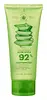
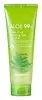
Nature Republic Soothing & Moisture Aloe Vera 92% Gel Versus TONYMOLY Aloe 99% Chok Chok Soothing Gel
This calming moisturizer is formulated around Aloe Barbadensis Leaf Juice and Sodium Hyaluronate to calm redness and hydrate skin.
This calming moisturizer is formulated around Camellia Sinensis Leaf Extract and 3-O-Ethyl Ascorbic Acid to calm redness and hydrate skin.

What's inside
What's inside
 Key Ingredients
Benefits
Concerns
Ingredients Side-by-side
Water
Skin ConditioningAlcohol
Antimicrobial




Propylene Glycol
Humectant
Dipropylene Glycol
HumectantCarbomer
Emulsion StabilisingAloe Barbadensis Leaf Juice
Skin Conditioning

Tromethamine
BufferingC12-14 Pareth-12
Emulsifying1,2-Hexanediol
Skin Conditioning
Butylene Glycol
Humectant
Caprylyl Glycol
Emollient
Pentylene Glycol
Skin Conditioning
Betaine
Humectant
Hydroxyacetophenone
Antioxidant
Parfum
Masking

Linalool
Perfuming
Limonene
Perfuming
Glycerin
Humectant
Disodium EDTA
ChelatingGlyceryl Polyacrylate
Sodium Hyaluronate
Humectant

Polyglutamic Acid
Skin Conditioning
Mentha Viridis Extract
MaskingMelilotus Officinalis Extract
AstringentCalendula Officinalis Flower Extract
Masking
Ethylhexylglycerin
Skin ConditioningWater, Alcohol, Propylene Glycol, Dipropylene Glycol, Carbomer, Aloe Barbadensis Leaf Juice, Tromethamine, C12-14 Pareth-12, 1,2-Hexanediol, Butylene Glycol, Caprylyl Glycol, Pentylene Glycol, Betaine, Hydroxyacetophenone, Parfum, Linalool, Limonene, Glycerin, Disodium EDTA, Glyceryl Polyacrylate, Sodium Hyaluronate, Polyglutamic Acid, Mentha Viridis Extract, Melilotus Officinalis Extract, Calendula Officinalis Flower Extract, Ethylhexylglycerin









Reviews
Ingredients Explained
These ingredients are found in both products.
Ingredients higher up in an ingredient list are typically present in a larger amount.
This ingredient is also called ethanol or ethyl alcohol. It is denatured, meaning made undrinkable for cosmetic use.
In formulas, it:
Is it bad for your skin?
The answer comes down to concentration. Patch and wash studies have found highly concentrated alcohol-based hand rubs (60-100%) cause less barrier disruption than washing with a basic detergent like SLS. The only measurable effect in these studies was a temporary dip in skin hydration.
Concentrations below 12-15% in leave-on cosmetics is generally well-tolerated. Concentrations above start to see increased transepidermal water loss (TEWL) and reduced hydration.
In concentrations about 58%, it creates temporary channels in your skin's lipid layers to become more permeable and allow other ingredients to slip through easily.
This ingredient can be up to 80% of the formula in alcohol-based perfumes.
Overall, this ingredient is probably harmless if found lower down an ingredients list but worth side-eyeing if it's high up (especially if your barrier is already struggling).
Alcohol can worsen dry skin, eczema, and oily skin, especially at higher concentrations. This is because it can increase transepidermal water loss and decrease hydration to disrupt the skin barrier.
According to the National Rosacea Society based in the US, you should be mindful of products with these alcohols in the top half of ingredients.
True allergic contact dermatitis to ethanol is uncommon, but be sure to patch test if you have dry or sensitive skin.
Learn more about AlcoholCarbomer is a synthetic thickening and gelling agent. It's basically the ingredient that gives a lot of serums, gels, creams, and sunscreens their smooth, non-sticky texture.
Although legally permitted at very high levels, carbomers are normally used at concentrations below 1%.
It also needs to be neutralized to actually thicken, and because it is a large molecule, it doesn't really penetrate the skin barrier.
Allergy-wise, the risk is very low. Clinical studies show carbomers have low potential for skin irritation/sensitization even at concentrations up to 100%.
A 2024 UK study patch-tested 1,302 patients and found true allergy to the parent group of carbomer to be rare with no confirmed relevant reactions.
Learn more about CarbomerDisodium EDTA is a chelating agent. It grabs onto and deactivates metal ions that sneak into your products from water, packaging, or air.
This ingredient mainly works behind the scenes and helps with:
On top of that, this ingredient can counteract the effects of hard water by binding to the minerals in it.
One thing worth knowing is that Disodium EDTA has been shown to be a mild penetration enhancer. It can help other ingredients absorb into skin more effectively which can be a double-edged sword (great for actives, but can also make the active too strong if you have sensitive skin).
Clinical patch testing showed no significant skin irritation at typical use concentrations and minimal dermal absorption.
You'll most likely see this ingredient near the end of an ingredient list. It's typically found in concentrations less than 1%.
Learn more about Disodium EDTAEthylhexylglycerin is created from glycerin. It is a multitasker ingredient that:
The CIR Expert Panel found minimal skin absorption or sensitization of any kind in a safety assessment. Though this ingredient is considered well-tolerated, a small number of cases of allergic dermatitis have been published since 2002. Just be sure to patch test if you are unsure.
Industry-reported use ranges from 8% in rinse-off products and 2% in leave-on formulations.
Learn more about Ethylhexylglycerin

