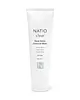
This wash off mask is made with Kaolin and Charcoal Powder for a rinse-off oil-control boost.
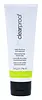
This wash off mask is formulated around Salicylic Acid to clear breakouts and unclog pores.


What's inside
What's inside
 Key Ingredients
Benefits
Concerns
Ingredients Side-by-side
Water
Skin ConditioningKaolin
Abrasive



Propylene Glycol
Humectant


Hydrogenated Polyisobutene
EmollientCI 77891
Cosmetic ColorantAloe Barbadensis Leaf Juice
Skin Conditioning

Stearic Acid
Cleansing

Charcoal Powder
Abrasive
CI 77499
Cosmetic ColorantCannabis Sativa Seed Extract
EmollientSalix Nigra Bark Extract
Skin ProtectingLecithin
Emollient
Dimethicone
Emollient

Magnesium Aluminum Silicate
Absorbent
Polysorbate 60
Emulsifying
Cellulose Gum
Emulsion StabilisingPhenoxyethanol
Preservative
Ethylhexylglycerin
Skin ConditioningTriethanolamine
BufferingSodium Benzoate
Masking
CI 77492
Cosmetic ColorantWater, Kaolin, Propylene Glycol, Hydrogenated Polyisobutene, CI 77891, Aloe Barbadensis Leaf Juice, Stearic Acid, Charcoal Powder, CI 77499, Cannabis Sativa Seed Extract, Salix Nigra Bark Extract, Lecithin, Dimethicone, Magnesium Aluminum Silicate, Polysorbate 60, Cellulose Gum, Phenoxyethanol, Ethylhexylglycerin, Triethanolamine, Sodium Benzoate, CI 77492
Water
Skin ConditioningCI 77004
Cosmetic ColorantGlycerin
Humectant
Propylene Glycol
Humectant
Magnesium Aluminum Silicate
Absorbent
CI 77499
Cosmetic ColorantCharcoal Powder
Abrasive
Lonicera Japonica Leaf Extract
Skin ConditioningVegetable Amino Acids
Skin ConditioningBambusa Vulgaris Shoot Extract
Antioxidant
Rosmarinus Officinalis Leaf Extract
AntimicrobialBisabolol
Antioxidant
Mentha Piperita Extract
CleansingMentha Viridis Leaf Extract
Masking
Butylene Glycol
Humectant
Salicylic Acid
Masking




Triethanolamine
BufferingTriethyl Citrate
Masking
Disodium EDTA
ChelatingXanthan Gum
EmulsifyingSodium Benzoate
Masking
Citric Acid
Buffering
Potassium Benzoate
Preservative
Sodium Polyacrylate
Absorbent
Hydroxypropyl Cyclodextrin
MaskingPolysorbate 80
Emulsifying
Cellulose Gum
Emulsion StabilisingPhenoxyethanol
Preservative
Iodopropynyl Butylcarbamate
Preservative
Potassium Sorbate
Preservative
Water, CI 77004, Glycerin, Propylene Glycol, Magnesium Aluminum Silicate, CI 77499, Charcoal Powder, Lonicera Japonica Leaf Extract, Vegetable Amino Acids, Bambusa Vulgaris Shoot Extract, Rosmarinus Officinalis Leaf Extract, Bisabolol, Mentha Piperita Extract, Mentha Viridis Leaf Extract, Butylene Glycol, Salicylic Acid, Triethanolamine, Triethyl Citrate, Disodium EDTA, Xanthan Gum, Sodium Benzoate, Citric Acid, Potassium Benzoate, Sodium Polyacrylate, Hydroxypropyl Cyclodextrin, Polysorbate 80, Cellulose Gum, Phenoxyethanol, Iodopropynyl Butylcarbamate, Potassium Sorbate
Reviews
Ingredients Explained
These ingredients are found in both products.
Ingredients higher up in an ingredient list are typically present in a larger amount.
Cellulose Gum is a water-soluble polymer that comes from cellulose. It is used to change the texture of a product and to help stabilize emulsions.
As an emulsifier, cellulose gum specifically thicken the texture of water-based products.
This ingredient is considered hypoallergenic and non-toxic. Cellulose Gum can be found in cosmetics, food, and other household goods such as paper products.
Learn more about Cellulose GumCharcoal powder comes from grounded charcoal. Charcoal can originate from peat, bamboo, coal, wood, coconut shell, or petroleum.
This ingredient has absorbent properties, making it great at absorbing oil.
Ci 77499 is also hydrated iron III oxide. It is created from mixing red and black iron oxides. This helps give shades of darkness to a product.
Iron III oxides are classified as inorganic chemicals for coloring.
Magnesium Aluminum Silicate is a type of silica. It comes from naturally occuring minerals such as silicate ores and clay.
Magnesium aluminum silicate is used for enhancing texture and as an absorbent. Due to its large molecular size, it is unable to be absorbed into the skin.
Like other types of silica, this ingredient can be used to thicken a product. As an absorbent, it may be used to absorb extra water or help prevent clumping.
Although “aluminum” in an ingredient name can raise red flags for some consumers, the form and usage context matter significantly. For typical topical applications, there is no substantial evidence of health risks - such as cancer, neurotoxicity, or systemic “aluminum overload.”
Learn more about Magnesium Aluminum SilicatePhenoxyethanol is one of the most widely used preservatives in skincare (and for good reason!).
It has a large spectrum of antimicrobial activity and especially effective bacteria, yeast, and mold while only having a weak effect on your skin's natural microbiome.
On a cellular level, it disrupts the cell membranes of microbes by poking holes that make the cell leak. This shuts down the chemical reactions the microbe needs to make energy so it can no longer survive.
Another perk of this ingredient is that it stays functional across a wide pH range (3-10).
You'll often see it paired with boosters like Ethylhexylglycerin; one study showed that a 1:9 ratio of Ethylhexylglycerin to Phenoxyethanol damages bacterial membranes as effectively as doubling the Phenoxyethanol concentration on its own.
Typical use concentrations range from 0.3-1% depending on the formula, and this ingredient is capped at 1% int the EU.
Safety-wise, the fear mongering does not hold up to the evidence. The EU's Scientific Committee on Consumer Safety and FDA consider it safe as a preservative at up to 1%, including for children of all ages.
Adverse systemic effects only showed up in animal studies at exposures roughly 200x higher than what people get from cosmetics. And despite its very widespread use, this ingredient is a rare sensitizer and allergic reactions are uncommon.
Learn more about PhenoxyethanolPropylene Glycol is a synthetic, colorless, odorless liquid that has been a staple in cosmetics for decades. It is a skin conditioning agent, humectant, and solvent.
As a humectant, it draw water to the skin to reduce flaking and restore suppleness. It's also a solvent that helps dissolve other actives and keeps formulas stable across temperature changes.
The CIR Expert Panel has confirmed this ingredient to be nontoxic and clinical studies show no sensitization at cosmetic use concentrations.
True allergic reactions are quite rare: a 15-year retrospective study of 6,751 patients found only 0.31% had a positive reaction (and less than half were considered clinically relevant).
It seemed that when sensitization does occur, it's most commonly linked to topical medication (like corticosteroids) and not cosmetics. Allergic contact dermatitis also appears largely limited to individuals with underlying skin conditions.
Overall, propylene glycol is a well-studied ingredient that most people can tolerate without issue.
Learn more about Propylene GlycolSodium Benzoate is a preservative. It's used in both cosmetic and food products to inhibit the growth of mold and bacteria. It is typically produced synthetically.
Both the US FDA and EU Health Committee have approved the use of sodium benzoate. In the US, levels of 0.1% (of the total product) are allowed.
Sodium benzoate works as a preservative by inhibiting the growth of bacteria inside of cells. It prevents the cell from fermenting a type of sugar using an enzyme called phosphofructokinase.
It is the salt of benzoic acid. Foods containing sodium benzoate include soda, salad dressings, condiments, fruit juices, wines, and snack foods.
Studies for using ascorbic acid and sodium benzoate in cosmetics are lacking, especially in skincare routines with multiple steps.
We always recommend speaking with a professional, such as a dermatologist, if you have any concerns.
Learn more about Sodium BenzoateTriethanolamine (TEA) is an emulsifier and pH adjuster. It is created using ethylene oxide and ammonia. This gives Triethanolamine a nitrogen core and a similar scent to ammonia.
As an emulsifier, it prevents ingredients from separating and enhances texture by adding volume to a product.
PH adjusters are common in cosmetic products. The pH of a product can affect the effectiveness of other ingredients. A product with a high pH may also irritate the skin.
If you are looking for the tea leaf ingredient, click here.
Learn more about TriethanolamineWater. It's the most common cosmetic ingredient of all. You'll usually see it at the top of ingredient lists, meaning that it makes up the largest part of the product.
So why is it so popular? Water most often acts as a solvent - this means that it helps dissolve other ingredients into the formulation.
You'll also recognize water as that liquid we all need to stay alive. If you see this, drink a glass of water. Remember to stay hydrated!
Learn more about Water

