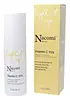
This brightening serum is formulated around Ascorbic Acid and Sodium Ascorbyl Phosphate to fade the look of dark spots and brighten dull-looking skin.
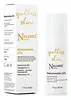
This brightening serum is formulated around Niacinamide and Potassium Azeloyl Diglycinate to fade the look of dark spots and refine the look of pores.

What's inside
What's inside
 Key Ingredients
Benefits
Concerns
Ingredients Side-by-side
Water
Skin ConditioningAscorbic Acid
Antioxidant






Glycerin
Humectant

Coco-Caprylate/Caprate
Emollient
Prunus Amygdalus Dulcis Oil
Skin Conditioning




Sodium Ascorbyl Phosphate
Antioxidant

Triethanolamine
BufferingAscorbyl Glucoside
Antioxidant
Rosa Canina Fruit Oil
Emollient
Lauryl Glucoside
CleansingPolyglyceryl-2 Dipolyhydroxystearate
Skin Conditioning
Xanthan Gum
EmulsifyingCellulose
Absorbent
Hectorite
AbsorbentCitric Acid
Buffering
Dehydroacetic Acid
Preservative
Benzyl Alcohol
Perfuming




Water, Ascorbic Acid, Glycerin, Coco-Caprylate/Caprate, Prunus Amygdalus Dulcis Oil, Sodium Ascorbyl Phosphate, Triethanolamine, Ascorbyl Glucoside, Rosa Canina Fruit Oil, Lauryl Glucoside, Polyglyceryl-2 Dipolyhydroxystearate, Xanthan Gum, Cellulose, Hectorite, Citric Acid, Dehydroacetic Acid, Benzyl Alcohol
Water
Skin ConditioningNiacinamide
Smoothing


Glycerin
Humectant
Ascorbyl Glucoside
Antioxidant
Potassium Azeloyl Diglycinate
Skin Conditioning
Alpha-Arbutin
Antioxidant
Trehalose
Humectant
Sodium Citrate
BufferingSodium Hydroxypropyl Starch Phosphate
Abrasive
Hydrolyzed Yeast Extract
Skin ConditioningHydrolyzed Glycosaminoglycans
HumectantSodium Hyaluronate
Humectant
Hyaluronic Acid
Humectant
Hydrolyzed Hyaluronic Acid
Humectant
Sodium Hyaluronate Crosspolymer
Humectant
Polyglucuronic Acid
Skin ConditioningLecithin
Emollient
Cetyl Hydroxyethylcellulose
Emulsion StabilisingDehydroacetic Acid
Preservative
Xanthan Gum
EmulsifyingCellulose
Absorbent
Hectorite
AbsorbentPropanediol
Solvent
Potassium Sorbate
Preservative
Sodium Benzoate
Masking
Ethylhexylglycerin
Skin ConditioningRaspberry Ketone
Masking
Benzyl Glycol
SolventBenzyl Alcohol
Perfuming
Water, Niacinamide, Glycerin, Ascorbyl Glucoside, Potassium Azeloyl Diglycinate, Alpha-Arbutin, Trehalose, Sodium Citrate, Sodium Hydroxypropyl Starch Phosphate, Hydrolyzed Yeast Extract, Hydrolyzed Glycosaminoglycans, Sodium Hyaluronate, Hyaluronic Acid, Hydrolyzed Hyaluronic Acid, Sodium Hyaluronate Crosspolymer, Polyglucuronic Acid, Lecithin, Cetyl Hydroxyethylcellulose, Dehydroacetic Acid, Xanthan Gum, Cellulose, Hectorite, Propanediol, Potassium Sorbate, Sodium Benzoate, Ethylhexylglycerin, Raspberry Ketone, Benzyl Glycol, Benzyl Alcohol
Reviews
Ingredients Explained
These ingredients are found in both products.
Ingredients higher up in an ingredient list are typically present in a larger amount.
Ascorbyl Glucoside (AA-2G) is one of the most stable vitamin C derivatives out there.
It's made by attaching a glucose molecule to ascorbic acid; this glucose "cap" shields the vitamin C from air, light, heat, and metal ions that normally cause pure ascorbic acid to oxidize.
Once on your skin, the enzyme alpha-glucosidase snips off the glucose and gradually releases active ascorbic acid right where it's needed. Basically, it behaves like a slow-release pro-vitamin C with less of a stinging that high-strength ascorbic acid can cause.
The research supports the classic vitamin C benefits as well. In lab and human studies, AA-2G slowed down the skin's production of melanin (the pigment behind dark spots) and helped shield skin cells against sun damage better than ascorbyl phosphate.
These studies also showed AA-2G released vitamin C over a longer period.
A frequently cited manufacturer trial found that a 2% AA-2G face cream significantly improved wrinkle depth and skin roughness after 45 days.
And in 2009, a clinical trial showed it meaningfully lightened dark patches on the gums compared to a placebo.
There's also collagen-synthesis support (since vitamin C is a required cofactor for that) and an antioxidant effect too.
Typical usage is usually between 0.5-5% and most studies/products land around 2%.
AA-2G performs best when formulated at a mildly acidic pH (~5-7) which is much gentler than the pH that pure vitamin C demands (~2.5-3.5).
Just one thing worth knowing: the in-skin conversation rate is only about 55-60% by weight. So a 5% AA-2G product delivers roughly 2.75-3% of actual active vitamin C. On top of that, skin absorption is relatively low because the ingredient is water-soluble.
Learn more about Ascorbyl GlucosideBenzyl Alcohol is an aromatic alcohol with several roles: it's a preservative, solvent, and mild fragrance component with a floral scent.
This ingredient has been deemed safe for use in cosmetic formulations at concentrations up to 5%, and up to 10% in hair dyes. You'll typically see 0.5-2% in most rinse-off or leave-on products.
As a preservative, it works by disrupting the membrane of microbial proteins. This helps keep bacteria and fungi from growing in your products.
The sensitization picture is actually quite assuring as well:of nearly 71,000 patients patch tested with benzyl alcohol, only 0.21% showed a positive reaction with most of them being weakly positive.
This led researchers to conclude that benzyl alcohol cannot be regarded as a significant contact allergen.
It is worth noting this ingredient is classified as one of the EU's regulated fragrance allergens and restricted to 1% in finished products.
Labels must also declare it in concentrations above 0.001% in leave-on products and 0.01% in rinse-off products.
At concentrations around 5%, localized redness and itching can appear as a direct irritant response and not as a true allergic reaction.
Learn more about Benzyl AlcoholCellulose is the main component of plant cell walls. It is used as an emulsifier, absorbent, and texture enhancer.
This ingredient has many functions:
Fun fact: Cellulose is the most abundant form of organic polymer on Earth.
Learn more about CelluloseDehydroacetic Acid is a synthetic preservative that keeps your products safe from microbes.
As an organic acid, it penetrates microbial cell walls and disrupts cellular metabolism. This makes it effective against bacteria, yeast, and mold.
It is effective at low concentrations (<0.6%). Clinical studies have found it to be non-irritating, non-sensitizing, and non-photosensitizing.
Learn more about Dehydroacetic AcidGlycerin (or glycerol) is a compound naturally found in your skin. It's a powerhouse humectant that pulls water into the stratum corneum.
Topically, glycerin does several things at once:
Your skin makes glycerin on its own (mostly from sebaceous oil breakdown) and shuttles it to your outermost layer of skin, or your epidermis, via aquaporin-3.
Aquaporin-3 is a transporter that is essential for normal skin hydration, elasticity, and repair. Interestingly, mice lacking in AQP3 have dry and less elastic skin that can be fully corrected with glycerin.
This ingredient is non-irritating, plays well with almost every ingredient, and works across all skin types. Typical use is anywhere between 3-10% but can go up to 79% in some leave-on products.
Just know very high concentrations (>40%) can feel tacky in low humidity.
Glycerin is the name for this ingredient in American English. British English uses Glycerol/Glycerine.
Learn more about GlycerinWe don't have a description for Hectorite yet.
Water. It's the most common cosmetic ingredient of all. You'll usually see it at the top of ingredient lists, meaning that it makes up the largest part of the product.
So why is it so popular? Water most often acts as a solvent - this means that it helps dissolve other ingredients into the formulation.
You'll also recognize water as that liquid we all need to stay alive. If you see this, drink a glass of water. Remember to stay hydrated!
Learn more about WaterXanthan gum is used as a stabilizer and thickener within cosmetic products. It helps give products a sticky, thick feeling - preventing them from being too runny.
On the technical side of things, xanthan gum is a polysaccharide - a combination consisting of multiple sugar molecules bonded together.
Xanthan gum is a pretty common and great ingredient. It is a natural, non-toxic, non-irritating ingredient that is also commonly used in food products.
Learn more about Xanthan Gum

